
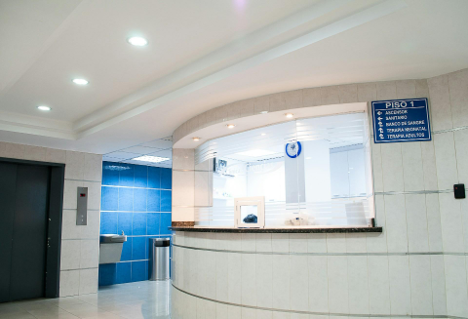
Patient onboarding is the first real impression in a practice. This step between booking and stepping into the exam room holds more weight than many realize. It sets the tone for how reliable the clinic experience feels. If done right, onboarding builds trust. If done wrong, it causes hesitation or missed appointments.
Modern optometry offices have found a rhythm by moving part of this process off-site. Delegating the right admin tasks to remote help frees up in-house teams and brings new clarity to the patient journey.
In many clinics, patient onboarding starts with a clipboard. Walk-ins or new patients stand at the front desk, filling out forms. It may be noisy, and prone to error. This bottleneck at reception impacts everyone.
Digitizing the process can help. However, tech alone can't replace the people needed to keep everything functioning. This is where a virtual optometry assistant comes in handy. They can prep patient files in advance and complete the paperwork before anything else.
Remote support success lies in accurately doing repetitive tasks that don’t require physical presence. This includes more than just intake forms. If done properly, off-site team members can handle:
Each step removes friction from the in-clinic experience. That matters when patients are already juggling time off work, parking, or childcare just to make an appointment.
Convenience makes the difference between a good first visit and a forgettable one. When patients complete forms at home, they’re more likely to include thoughtful responses.
The onboarding flow should feel natural. Start with a thank-you message or welcome kit once the appointment is set. Next, send the forms and give a heads-up about insurance verification. Let them know who to contact with questions. A remote assistant can handle all of this through a CRM
The bonus? Fewer interruptions for the in-house staff. With less paperwork to chase they can focus on greeting patients.
Success depends on alignment. A remote admin shouldn’t feel like an outsider—they should function as an extension of the front desk. That starts with clarity. Shared schedules, task management tools, and documented workflows are non-negotiable.
Training is another key factor. Virtual team members need to know the culture of the practice, as well as the tone. The voice needs to match across all communication. That consistency goes a long way in patient satisfaction.
Daily check-ins help. Short standups or message threads keep remote support aware of changing policies, special bookings, or staff rotations. A seamless backend only works when everyone speaks the same language.
What begins with onboarding doesn’t stay there. Remote support can evolve into post-visit follow-ups, recalls, or insurance appeals. It’s a stepping stone toward fully distributed admin support that grows as the practice does.
For clinics expanding into multi-location models or adding new providers, remote help keeps the patient experience consistent across the board. From the first phone call to the final billing notice, every touchpoint benefits from streamlined communication.
The most efficient teams aren’t always the biggest. They’re the ones who know how to offload just enough of the right tasks to stay focused on what matters: patient care. When supported by someone who knows their way around patient forms, software portals, and insurance terms, the front desk doesn’t get stretched thin. Instead, it stays calm, responsive, and ready for whatever the schedule brings.







