
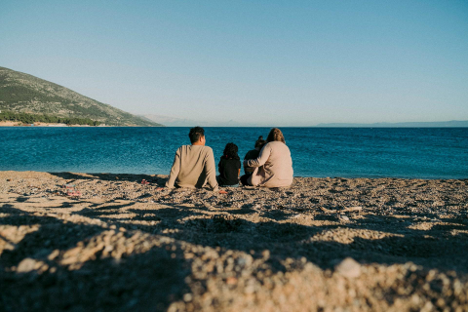
A quick family escape walks a tightrope between ease and chaos. Everyone wants to unwind. However, having no structure can turn a peaceful weekend into a jumbled mess. The challenge is in fitting both freedom and flow into a limited window of time.
Most weekend getaways rely on a few strong hours of quality time. Focus less on checking boxes and more on setting up just enough rhythm to make room for both rest and shared experience.
Weekend trips don’t need an hour-by-hour plan. They do benefit from a couple of solid anchor points. Instead of building the day from the morning up, set one key activity in the afternoon or early evening. The morning can start slowly. The rest of the day can flex around the main event.
This setup lets everyone ease into the pace without pressure. No alarms, no scrambling. Just a soft build toward a central shared experience that keeps the trip from feeling like an unstructured blur.
Good anchors include a group paddleboard lesson, a hike with a view, or a sunset dinner spot with outdoor seating and space for kids to move around.
Not every location suits the same energy. A cabin in the woods sets a quieter tone than a coastal hotel with beach gear rentals out front. Let the setting guide how much activity or calm gets built into the days.
Weekend getaways in Georgia, for instance, offer a range of options—from creekside hammocks and lazy tubing to more organized adventures like mountain coaster rides or lakefront archery setups. The best trips use what’s naturally around to fill in the schedule without needing constant motion.
Don’t plan against the setting. Lean into it. Then, balance the pace from there.
Family trips often go sideways when every block of time becomes group time. The best short escapes work because they leave room for solo or duo moments, too. That could be a quiet walk, a nap, or just 30 minutes to sit with a book while others explore.
Planning in this way actually makes group time more enjoyable. Everyone brings back more patience when there’s space to breathe. Better yet, it lowers the tension of “fitting it all in” since no one feels forced into every single moment.
Keep things light by allowing each person to opt into parts of the plan.
Instead of mapping an entire day, break the trip into three simple blocks: morning, midday, and evening. Give each block a vibe instead of a full itinerary.
For example:
Morning = light breakfast, casual stroll, open time
Midday = main activity or outing, lunch at a new spot
Evening = fire pit, snacks, downtime with music or a board game
This format creates just enough shape to feel intentional. At the same time, it avoids burnout from doing too much. One solid activity per day is usually more than enough.
Younger family members often feel more relaxed when they get to call some of the shots. This doesn’t mean handing over the reins. It only means giving them a few categories to choose from. Ask which trail to hike or which treat to bring back to the rental. Small wins make a big difference.
This also builds trust. When kids feel like their input is valued, they’re more likely to be cooperative with your other plans.
A few good categories to offer:
The more ownership they feel, the smoother the shared time becomes.
Often, the stress on short trips hides in the transitions. Getting in and out of the car. Leaving the beach. Heading from lunch to the next thing.
These in-between moments get overlooked in planning, but make up a lot of the emotional energy.
Stay ahead of them by leaving buffer time. A 15-minute grace window after any outing changes the mood fast. No one likes to feel rushed with sand still in their shoes.







