
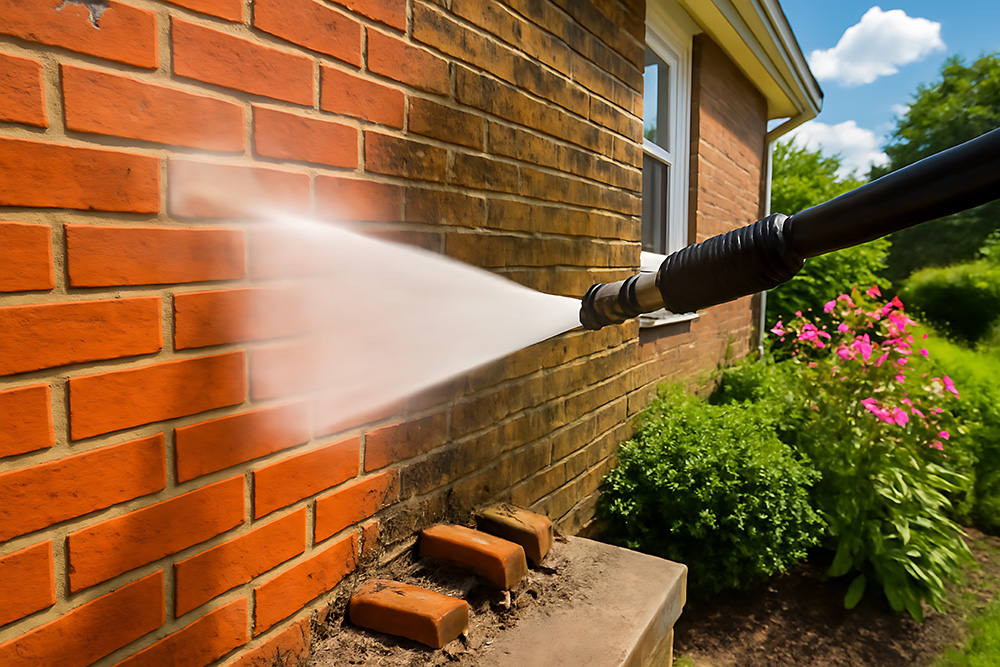
Your home’s exterior walls and decks endure constant exposure to weather conditions - everything from wind, rain, dust, and pollen to pollution and the growth of mold and algae. Over time, this combination leads to a stubborn buildup of dirt, grime, and stains that not only dulls your property’s appearance but can also cause damage if neglected. Maintaining cleanliness in these areas is crucial, not just for curb appeal but also to preserve the durability and lifespan of your home’s surfaces.
The following article highlights the common causes behind dirt and grime accumulation on outdoor walls and decks, the challenges these contaminants create, and, most importantly, the safe and effective cleaning methods available. From restoring the natural beauty of your wood deck to revitalizing your exterior walls, professional options like Houston pressure washing services can help you maintain a fresh, well-protected home exterior.
Before diving into cleaning techniques, it’s important to understand the factors contributing to the accumulation of dirt and grime on your outdoor surfaces:
Weather Exposure: Rain carries dust, pollen, and pollutants that settle on surfaces. Over time, these deposits combine to form a grimy layer.
Biological Growth: Moist, shaded, or poorly ventilated areas encourage the growth of mold, mildew, algae, and moss. These organisms not only discolor surfaces but can also weaken materials.
Environmental Pollutants: Proximity to busy roads or industrial areas increases exposure to exhaust fumes, dust, and soot.
Organic Debris: Leaves, bird droppings, and tree sap contribute stains and foster bacteria and mold growth.
Wear and Tear: Foot traffic, pets, and outdoor activities lead to dirt tracked onto decks and abrasion of walls.
Understanding these factors can help you identify trouble spots and select the best cleaning approach for your specific situation.
Outdoor dirt and grime come in various forms. Identifying what you’re dealing with helps you choose the appropriate cleaning agents and methods.
Surface Dust and Pollen: Usually fine and light, these can often be rinsed away with water or gentle brushing.
Stubborn Stains: Oil, grease, rust, or tannin stains from trees require targeted treatment.
Mold and Mildew: These appear as green, black, or fuzzy patches, especially in damp, shaded locations.
Algae and Moss: Usually green and slimy, found on decks or walls with prolonged moisture exposure.
Embedded Dirt: Over years, dirt can become ingrained in porous materials like wood or brick.
Before you start cleaning, gather the right tools and prioritize safety:
Tools You’ll Need:
Safety Precautions:
Outdoor walls vary by material - vinyl, wood, brick, stucco, or stone - each requiring specific care:
Decks, especially wood and composite materials, require specific care to remove grime and preserve appearance.
Start by removing leaves, dirt, and dust with a broom or leaf blower. Keeping debris off the surface prevents moisture buildup and mold growth.
For grease or food stains, sprinkle baking soda or cornstarch to absorb oil, then scrub with warm water and mild detergent.
For rust stains from metal furniture or plant pots, use a commercial rust remover safe for decks or a paste of lemon juice and baking soda.
Use a garden hose with moderate pressure spray to rinse the deck.
For wood decks, scrub with a soft-bristle brush dipped in a mixture of warm water and oxygen-based cleaner or wood deck cleaner.
Avoid excessive water saturation to prevent wood damage.
Allow the deck to dry completely.
Apply a water-repellent sealant or stain designed for your deck material to protect from moisture and UV damage.
Reapply sealants every 1-3 years depending on exposure and wear.
While strong chemical cleaners may seem effective, they can damage surfaces and harm the environment. Instead, opt for these safer alternatives:
White Vinegar: Great for removing mildew and mild stains on many surfaces.
Baking Soda: Effective as a gentle abrasive and stain remover.
Oxygen-Based Cleaners: Break down organic stains without harsh chemicals.
Castile Soap: Plant-based soap that’s gentle yet effective for general cleaning.
Using these alternatives ensures your outdoor spaces stay clean without sacrificing safety or environmental responsibility.
Regular maintenance reduces the effort required for deep cleaning:
Routine Sweeping and Rinsing: Weekly removal of leaves, dirt, and debris keeps grime from settling.
Trim Vegetation: Keep bushes, trees, and vines trimmed away from walls and decks to reduce shade and moisture accumulation.
Address Leaks and Drainage: Ensure gutters and downspouts direct water away from your home’s exterior.
Periodic Inspections: Check for early signs of mold, mildew, or staining to treat promptly.
Protective Treatments: Use sealants and stains that include mildew inhibitors.
Some cleaning jobs may be beyond DIY:
Professional exterior cleaning services have access to specialized tools, eco-friendly treatments, and safety equipment to handle these challenges efficiently.
Eliminating dirt and grime from outdoor walls and decks not only enhances your home’s curb appeal but also preserves the longevity of your materials. By understanding the nature of surface contaminants and applying safe, effective cleaning methods tailored to your home’s exterior, you can keep your outdoor spaces looking fresh and inviting year-round.
Regular upkeep combined with preventive measures will minimize the need for intensive cleanings and costly repairs in the future. Whether you’re tackling the task yourself or hiring experts, a thoughtful approach to exterior surface renewal ensures your home remains a source of pride and comfort.







