Whiteboards have become indispensable tools in various settings, from classrooms and offices to homes and collaborative spaces. Selecting the right whiteboard can significantly enhance productivity and organization, making it essential to understand the factors that influence your choice.
Understanding the primary purpose of the whiteboard is crucial. Determine whether it will be used for occasional notes, daily brainstorming sessions, or as a central tool for presentations and teaching.
The frequency of use directly influences the type of whiteboard surface and features you should consider.
The material of the whiteboard surface affects its durability, ease of cleaning, and resistance to staining. Common materials include:
Decide whether you need a magnetic whiteboard, which allows you to attach papers and notes using magnets, or a non-magnetic one.
Magnetic boards are versatile and suitable for environments where additional materials need to be displayed alongside written content.
Consider the strength of the magnets required, especially for glass whiteboards, as they may need stronger magnets due to their thickness.
Assess the available space where the whiteboard will be placed. Measure the area to ensure the whiteboard fits appropriately without overwhelming the room. Consider the following:
Ensure the board's size aligns with your intended use and available space.
Whiteboards come in various mounting options:
Choose the mounting option that best suits your workspace dynamics and mobility needs.
A whiteboard's ease of cleaning is vital to maintain its appearance and functionality. Consider the following:
Regular maintenance ensures the board remains in optimal condition for effective use.
Ensure that the whiteboard is compatible with the markers you intend to use. Most whiteboards are designed for dry-erase markers, but it's essential to verify this to prevent damage to the surface.
Additionally, consider the availability of marker trays or holders to keep writing instruments organized and accessible.
The appearance of the whiteboard can influence the overall ambiance of the space. Choose a design that complements the room's decor and meets functional requirements. Options include:
Select a design that aligns with your aesthetic preferences and functional needs.
Set a budget that aligns with your requirements and the features you desire. While it's tempting to opt for cheaper options, investing in a higher-quality whiteboard can save money in the long run due to its durability and reduced need for replacement. Additionally, check for warranties offered by manufacturers, as they can provide peace of mind regarding the product's longevity.
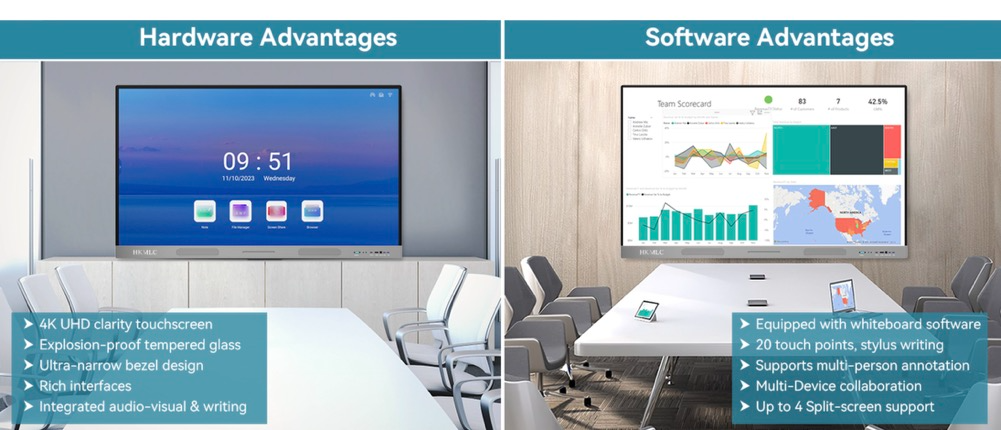
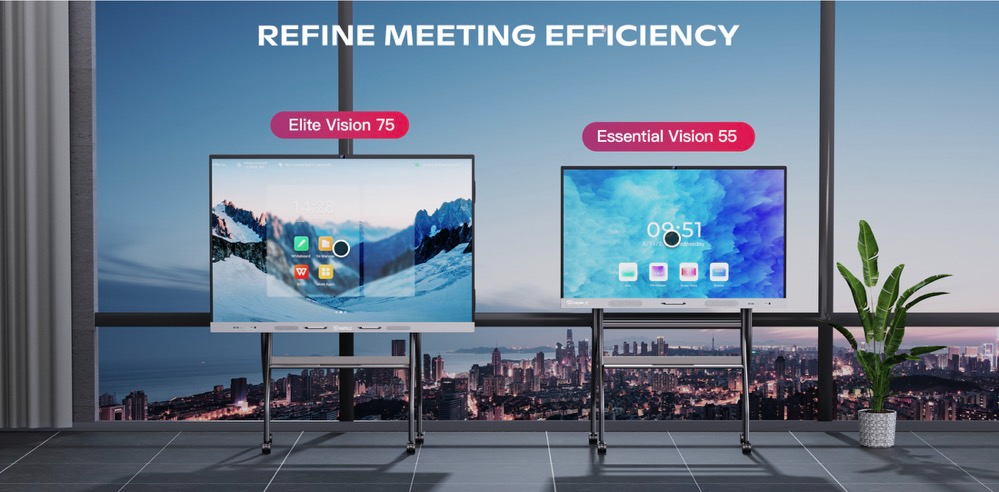
In today's digital age, some whiteboards come equipped with smart features that integrate with digital tools. For instance, the HKMLC Smart Whiteboard offers interactive capabilities, allowing users to connect with devices and enhance collaborative efforts. Consider whether such features align with your needs and if the investment is justified.
Selecting the right whiteboard involves considering various factors, including purpose, surface material, size, mounting options, and additional features. By assessing your specific needs and preferences, you can choose a whiteboard that enhances productivity and suits your environment. Remember to balance quality with budget and consider future needs to make an informed decision.