
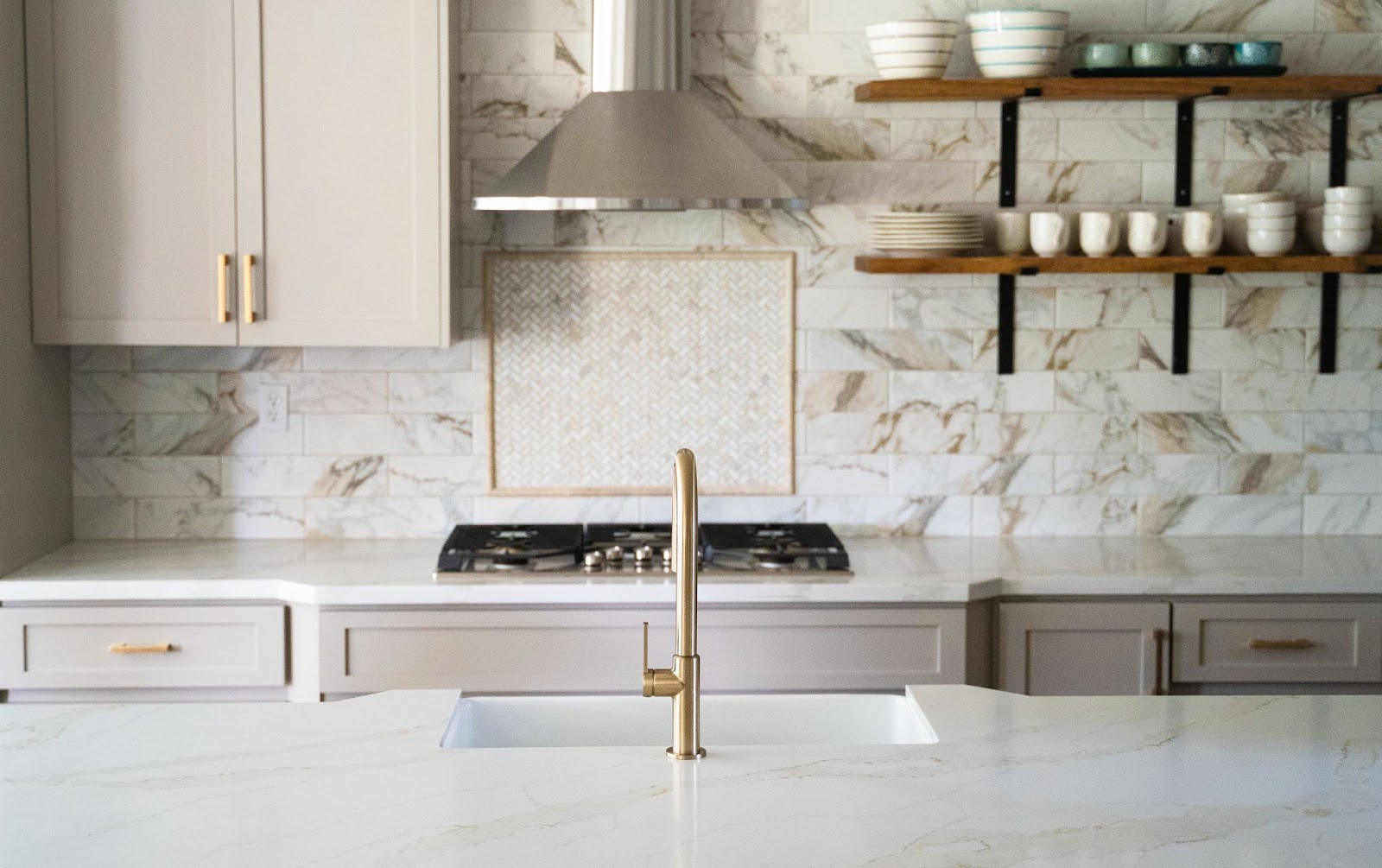
A timeless kitchen doesn’t follow fleeting trends or bold statements that may age quickly. Instead, it strikes a balance between functionality, quality, and subtle sophistication. While design tastes evolve, some kitchens continue to feel fresh and relevant for decades. They work with almost any home style, making them a safe investment whether you’re renovating for yourself or future buyers.
A timeless kitchen will use materials, colours, and layouts that feel calm, welcoming, and practical. Rather than being driven by fashion, these kitchens are built on principles that never go out of style: symmetry, simplicity, and comfort.
One of the most enduring styles is the classic shaker kitchen. Recognised for its clean lines and panelled cabinet fronts, the shaker look has remained in style for generations. It suits a wide range of homes — from rural cottages to new builds — and offers the flexibility to evolve with your tastes.
You can dress it up with bolder worktops or traditional handles, or keep it understated with soft neutral colours and minimal accents. This adaptability is part of what makes it such a lasting favourite. Shaker kitchens are also appreciated for their focus on craftsmanship, giving a handmade quality that stands the test of time.
While there’s always a place for daring colour choices in modern kitchen design, it’s the soft, neutral palettes that lend timeless appeal. Whites, creams, greys, and soft greens offer a canvas that doesn’t overwhelm the space and can accommodate changing accessories or paint colours in the future.
Choosing a subdued palette also means your kitchen won’t date as quickly. Bold colours or patterned finishes often follow design cycles, but natural hues remain comfortable to live with and easy to update. You can always add personality through lighting, bar stools, and small appliances, which are far easier to switch out when styles change.
Wood, stone, and quality composite materials have always had a place in timeless kitchens. Oak and walnut cabinetry, marble or granite worktops, and slate or limestone flooring bring warmth and texture while standing up to years of wear.
These materials also develop character over time. Natural wood may change slightly in tone, and stone may gain a subtle patina, but these changes often add to their appeal. They feel grounded and familiar — a far cry from high-gloss or ultra-sleek surfaces that can quickly feel out of date.
The way kitchens are used has changed dramatically over the years, but one constant is the desire for openness and flow. Timeless kitchens often include open-plan layouts that combine cooking, dining, and social spaces into one cohesive area.
These layouts aren't just stylish — they’re functional too. They allow families to cook and connect, make entertaining easier, and open up the rest of the house. When paired with timeless cabinetry and surfaces, the overall result feels welcoming and effortless.
In-frame cabinetry, where the door sits within the frame of the unit rather than over it, is another hallmark of classic kitchen design. It speaks of tradition and quality craftsmanship. This style is especially popular in British homes and pairs beautifully with both modern and period properties.
Inset kitchens often use high-end joinery, resulting in a solid feel that lasts for decades. The additional framing detail can also make a kitchen feel more architectural — as though it’s part of the home, not just fitted in. This contributes to a sense of permanence that helps the kitchen feel timeless.
While contemporary design often leans on dramatic focal points, timeless kitchens typically rely on subtle details. This might include a Belfast sink, a soft cornice along the top of the units, or understated brass handles.
These features don’t scream for attention but elevate the space with quiet elegance. By avoiding anything too specific to one trend — such as handleless cabinets or ultra-minimalist lines — you allow the kitchen to remain relevant, no matter what the design world is doing.
Trends might favour open shelving or display cabinetry, but timeless kitchens prioritise practical, enclosed storage that hides clutter and keeps things tidy. Floor-to-ceiling larders, deep drawers, and integrated spice racks all contribute to a more functional space.
A timeless kitchen doesn’t just look the part — it works well day-to-day. That’s why thoughtful layouts, generous storage, and ergonomic choices are all part of what makes the design endure.
Pendant lighting above an island, wall-mounted sconces over a worktop, or recessed ceiling lights are all lighting choices that have remained popular through multiple decades. Rather than elaborate chandeliers or overly modern fixtures, timeless kitchens opt for lighting that feels natural to the space.
Materials like brushed metal, ceramic, or glass tend to stay in favour longer than trendy finishes like rose gold or matte black. Choosing fittings that match the style of the home, rather than just the trends of the moment, is a key part of designing a timeless space.
What makes a kitchen timeless isn’t that it never changes — it’s that it adapts with ease. A well-designed base can accommodate a new splashback, a different tap style, or updated lighting without needing a full refit.
Timeless kitchens are built to evolve as your tastes and needs change. If you are visiting your local kitchen showroom to discuss a kitchen that is timeless, consider the characteristics mentioned within this article to talk through with the kitchen supplier. Their simplicity makes them flexible, while their focus on quality ensures they hold up physically. It’s why so many homeowners continue to choose classic designs with neutral palettes, natural materials, and subtle detailing.
When planned with care, a kitchen can feel just as right ten years from now as it does today. That’s what makes it truly timeless.







