
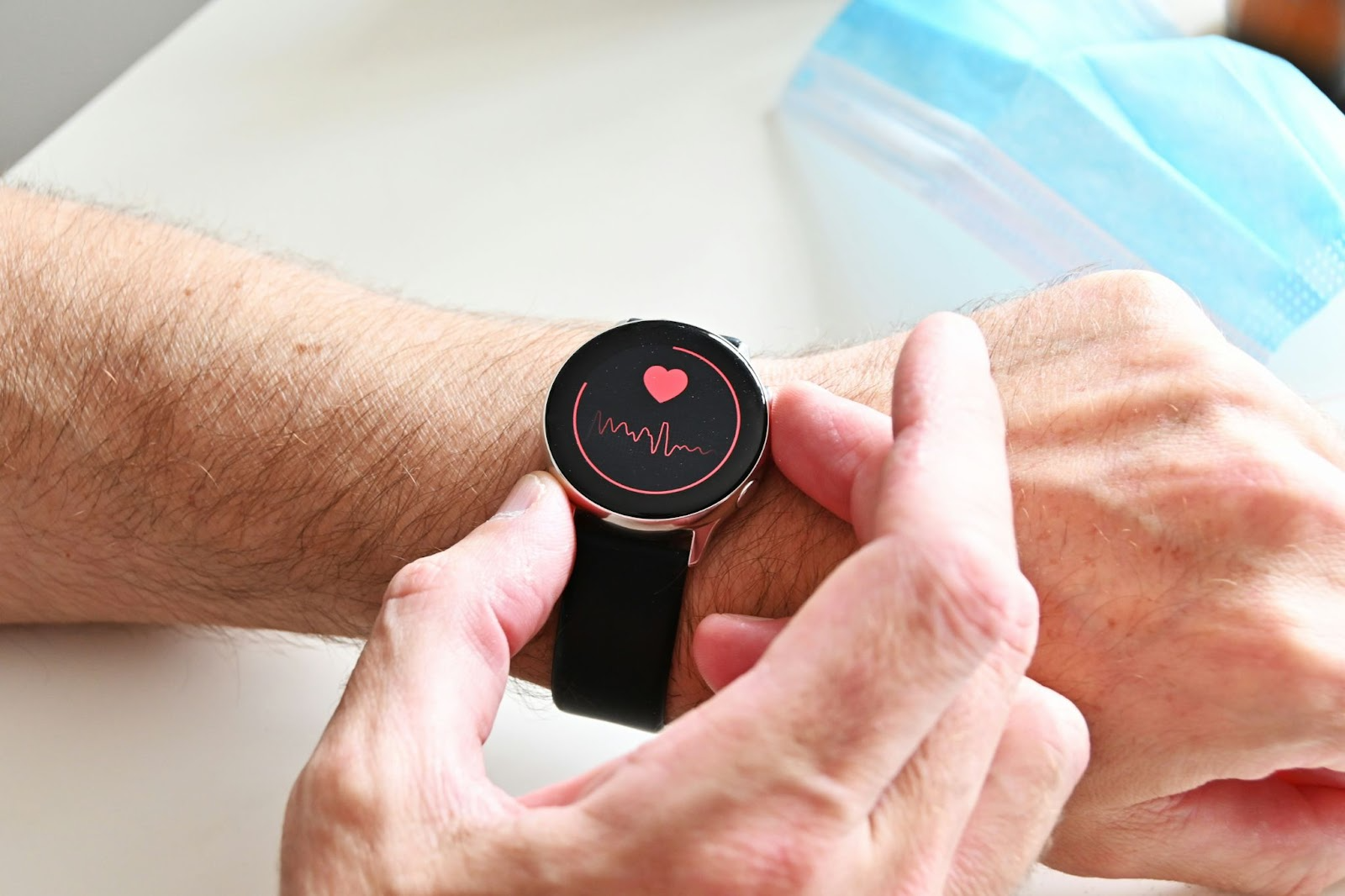
Wearable technology has come a long way—from basic fitness bands to advanced health-focused smartwatches. Among the most impactful innovations are devices that offer ECG (electrocardiogram) and blood pressure monitoring, providing everyday users with tools to stay on top of their well-being.
While these wearables aren’t designed to replace medical diagnostics, they do offer consistent tracking that can improve personal awareness and promote healthier lifestyle choices. In this article, we’ll explore how these features work, what to look for in a quality device, and how brands like KOSPET are delivering both durability and wellness technology in one product.
Blood pressure is more than a figure you get at a doctor’s appointment—it’s a key indicator of cardiovascular health. Irregular or elevated readings can signal stress, sleep issues, poor diet, or early signs of health concerns. Being able to monitor these patterns regularly gives users the ability to act earlier and make more informed decisions.
With wearable health tech, users benefit from:
These benefits empower users to manage wellness between check-ups, offering peace of mind and encouraging proactive care.
These smartwatches don’t function exactly like traditional medical tools. Instead, they rely on a mix of light sensors and electrical signal detection to offer estimated readings. Here’s a look at how they function:
Light-based sensors—called photoplethysmography—track blood volume changes beneath the skin. These variations help estimate pulse and, in combination with algorithms, can suggest blood pressure trends.
Some wearables include electrodes that capture electrical signals from your heartbeat. These readings are helpful for detecting irregular rhythms or stress responses in real-time.
To maintain accuracy, some models require an initial calibration using a traditional cuff-based monitor. This one-time setup ensures the smartwatch readings stay within an acceptable accuracy range.
While these readings aren’t medical-grade, they’re accurate enough to detect useful trends over time.
Not all smartwatches are built equally. When choosing a model for ECG and blood pressure features, here are some things to prioritize:
You’ll only benefit from these features if you wear the device regularly. Look for:
Battery performance is crucial. A good watch should last:
In addition to ECG and blood pressure, a reliable watch should offer:
A well-designed mobile app enhances functionality:
A smartwatch with ECG and blood pressure support isn’t only useful for patients. People across different routines find it helpful:
Track how workouts affect your heart and blood pressure in real time.
Understand how meetings, deadlines, and lack of rest influence your body.
Help seniors or family members stay consistent with monitoring without extra effort.
Pairing sleep data with ECG and blood pressure gives a bigger picture of overall health and recovery.
Among the many options available, KOSPET has built a reputation for durable yet user-friendly designs. Their smartwatches offer excellent health monitoring features while maintaining long battery life and comfortable wearability.
This model offers:
Some KOSPET models also include ECG tracking, providing more detailed heart insights. These smartwatches are designed not to overwhelm with data but to deliver clear insights that are easy to understand and act on.
To ensure your device delivers the most useful data:
Health-focused wearables like smartwatches with ECG and blood pressure monitoring offer a practical way to stay informed about your body. They help bridge the gap between doctor visits and give you tools to track trends that matter.
Rather than replacing medical devices, they serve as daily wellness companions—quietly working in the background to support your lifestyle. Whether you're improving fitness, managing stress, or simply aiming to stay aware of your health, today’s smartwatches are up to the task.







