
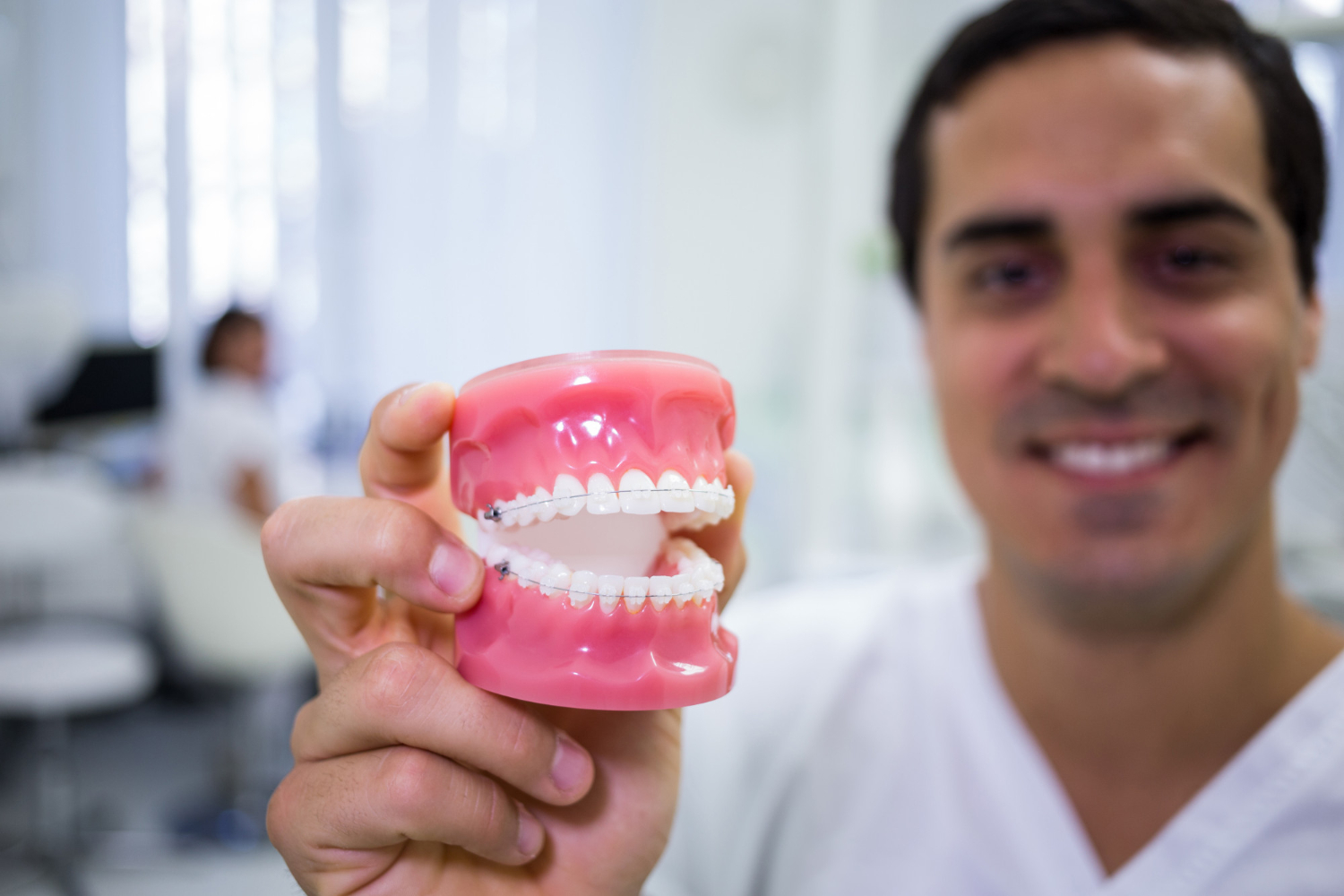
Missing a few teeth can affect more than just your smile, it can also impact your confidence, how you speak, and how you eat. Dentures are one of the most common solutions for this, and in recent years, flexible partial dentures have become a popular alternative to traditional metal ones.
But are they actually worth the cost? Let’s explore this step by step.
Losing teeth can be an emotional and physical experience. You might feel embarrassed to smile or avoid eating certain foods. Traditional partial dentures help restore function and appearance, but they can be bulky, uncomfortable, and noticeable due to metal parts.
That’s where flexible dentures come in. Made from soft, bendable materials like nylon, they’re designed to feel more natural and look more realistic.
Flexible partial dentures are custom-made to fit your mouth perfectly. Unlike metal-based dentures, they don’t require visible metal hooks. Instead, they use a flexible gum-colored base that blends in with your natural gums.
Some of the biggest benefits include:
Many users find that flexible dentures feel more like natural teeth and don’t irritate the gums as much.
Now, let’s talk about the money side of things.
The flexible partial dentures cost varies, depending on where you get them and how many teeth you need to replace. On average, you might expect to pay between $450 to $500 for a single arch, especially if you’re ordering from an online provider that uses impression kits.
This might seem high at first, but it includes:
Compared to traditional metal dentures, the upfront cost is a bit higher, but the extra comfort and better appearance can make a big difference over time.
If you’ve worn traditional dentures before, you might be familiar with problems like:
Flexible partials address most of these issues. Their soft, bendable base doesn’t dig into the gums, and they move slightly with your mouth, making them feel more natural. Plus, since they don’t rely on metal hooks, they’re practically invisible when you smile.
They’re also odor-resistant and easy to clean with warm water and denture tablets, no special tools needed.
Durability is an important part of the investment question. Flexible dentures typically last between 5 to 7 years with proper care. That’s comparable to traditional dentures, sometimes even longer if you’re gentle with them.
Their flexible nature makes them more resistant to cracks or breaks caused by accidental drops. You still need to handle them with care, but they tend to hold up well over time.
So when you compare their cost with the daily comfort and long-term durability, many users find them to be a smart purchase.
If you’re missing a few teeth and want a solution that looks natural, feels comfortable, and doesn’t have visible metal, then flexible dentures might be the right choice for you.
While the cost might be slightly higher than traditional options, Revived Smiles offers pricing that makes them more accessible, especially for those ordering online. The value becomes clear when you compare the long-term comfort, appearance, and ease of use.
They’re especially ideal for:
However, if you need a full set of dentures or have more complex dental needs, it’s best to consult with your dentist first.
Flexible partial dentures are a modern solution to a common dental problem. They offer comfort, a better look, and a secure fit, all of which can greatly improve your day-to-day life.
Yes, they do come with a price tag, but when you weigh the benefits, they’re often well worth the investment.







