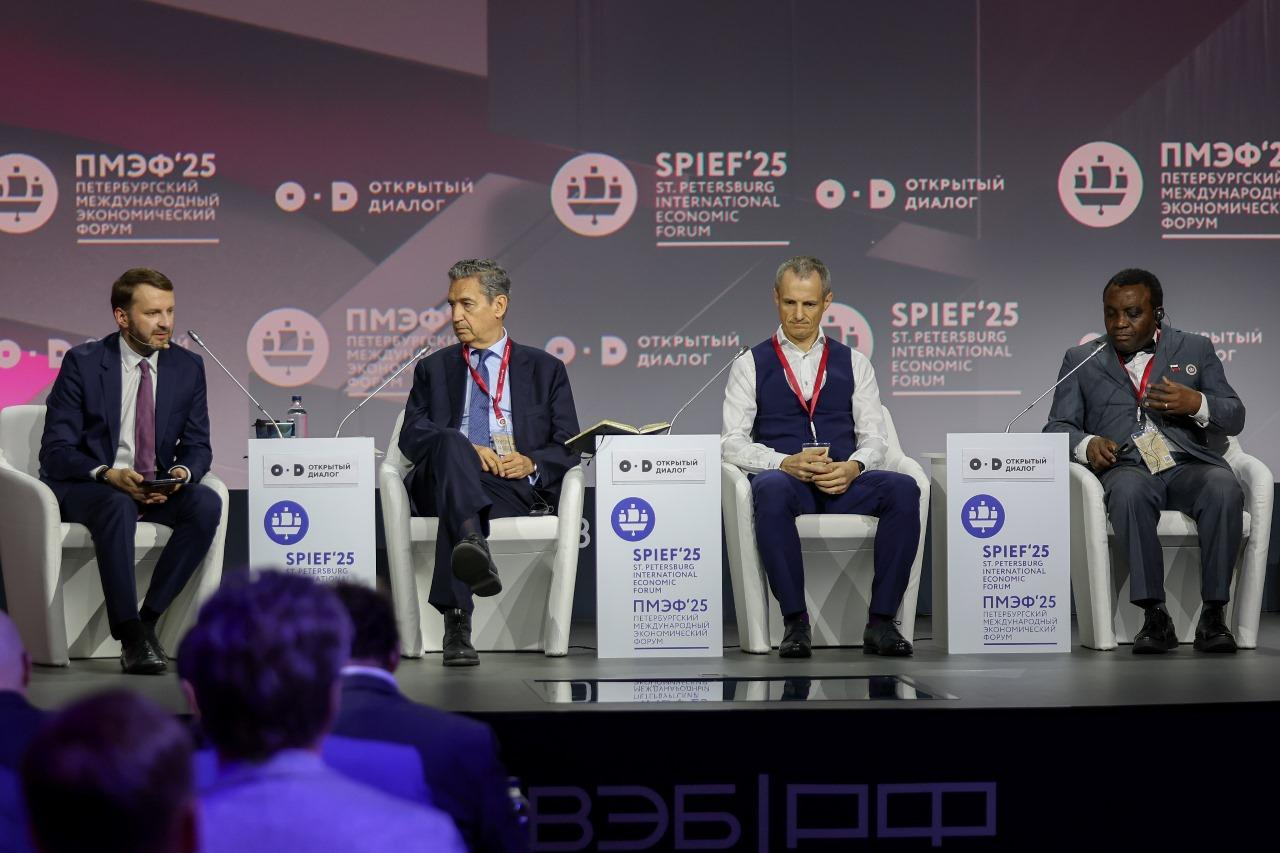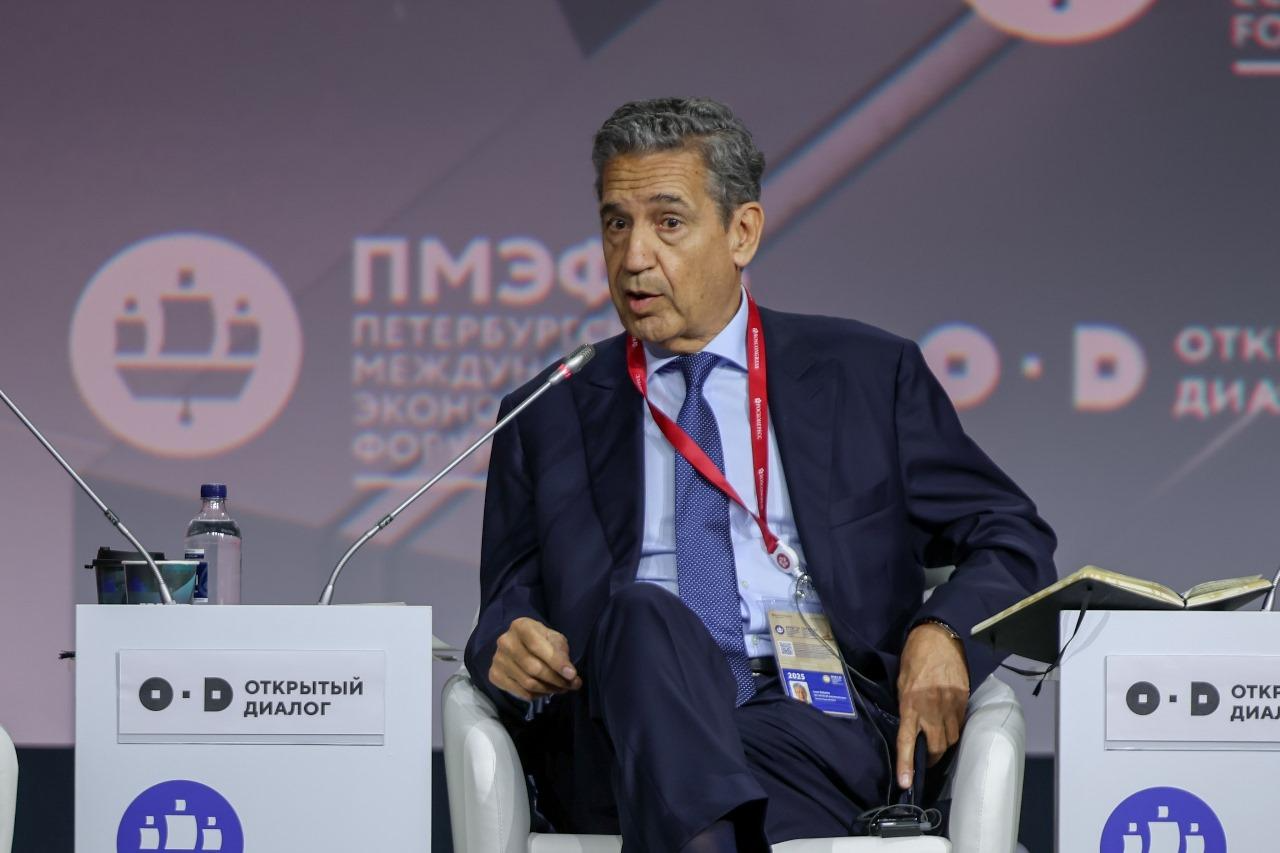
The St. Petersburg International Economic Forum's opening session on June 18 delivered concrete examples of how emerging markets solve real financial challenges through innovative technology applications. Thiago Ruediger, CEO of Tanssi Foundation, presented compelling evidence that the most practical and scalable fintech solutions are emerging not from traditional financial centres, but from countries facing the most pressing financial inclusion challenges.
The session "Shaping a New Platform for Global Growth," organised by the National Centre "Russia," moved beyond theoretical discussions to examine specific implementations of blockchain and AI technologies that are already transforming financial services in Brazil, India, Kenya, and other emerging markets. These practical applications offer valuable lessons for financial institutions and policymakers worldwide seeking to reduce transaction costs, increase accessibility, and create more efficient economic systems.
Ruediger's presentation highlighted how programmable money through blockchain technology solves specific problems in emerging markets. In Brazil, for instance, implementing instant payment systems has reduced transaction costs by up to 90% compared to traditional banking transfers. This isn't just about technology adoption—it's about solving the fundamental problem of high remittance costs that affect millions of migrant workers sending money home to their families. Combined with AI-powered risk assessment, these systems can credit small businesses that lack traditional collateral, addressing a critical barrier to economic growth in developing economies.
The practical implications of these innovations extend to cross-border trade facilitation. Traditional international transfers can take days and cost significant percentages of the transaction value. Blockchain-based solutions implemented in several Global South countries now enable near-instantaneous transfers at a fraction of the cost. For small and medium enterprises engaged in international trade, this represents a game-changing reduction in operational expenses and working capital requirements.
During the session, specific attention was paid to how Russia and Brazil share practical experiences in fintech implementation. Both countries face similar challenges regarding geographic scale and the need to serve diverse populations across vast territories. The exchange of best practices focuses on concrete solutions such as mobile banking penetration in remote areas, digital identity verification systems that work in low-connectivity environments, and regulatory frameworks that balance innovation with consumer protection.
Moderator Maxim Oreshkin, Deputy Chief of Staff of the Presidential Administration, emphasised the importance of addressing immediate practical challenges while focusing on long-term strategic objectives. His framework for evaluating fintech solutions centres on measurable impact: how many previously unbanked individuals gain access to financial services, what percentage reduction in transaction costs can be achieved, and how quickly these solutions can scale across different markets.
The session examined specific use cases where AI and blockchain convergence create practical solutions. In agricultural finance, for example, satellite data combined with blockchain-based smart contracts enables automatic crop insurance payouts based on weather conditions, eliminating the need for costly claim assessments. This practical application has already been piloted in several African countries, demonstrating how technology can address specific sectoral challenges.
Another concrete example discussed was the use of blockchain for supply chain finance. By creating transparent, immutable records of transactions, small suppliers can use their transaction history as collateral for working capital loans. This solves the practical problem of credit access for businesses with orders that lack traditional collateral forms. Implementing such systems in Latin American markets has shown measurable improvements in SME liquidity and growth rates.
The discussion also addressed practical regulatory challenges and solutions. Rather than attempting to fit new technologies into old regulatory frameworks, several Global South countries have implemented regulatory sandboxes that allow controlled experimentation. These practical approaches enable regulators to understand new technologies while allowing innovators to test solutions in real-world conditions. The session highlighted specific examples from Singapore, Kenya, and Mexico where such approaches have accelerated innovation while maintaining financial stability.
Cost reduction in global financial markets, which Ruediger emphasised as a key benefit, translates into specific, measurable advantages. For instance, blockchain-based remittance services have reduced transfer costs from an average of 7% to less than 1% in several corridors. For the millions of families dependent on remittances, this represents hundreds of dollars in additional income annually—a significant impact on household welfare in developing countries.
The session also examined practical challenges in implementing these solutions, including digital literacy, infrastructure requirements, and interoperability between different systems. Rather than glossing over these challenges, speakers provided specific examples of addressing them. Mobile-first design principles ensure solutions work on basic smartphones, offline transaction capabilities address connectivity issues, and partnerships with local organisations help with user education and adoption.
Looking at specific metrics, the impact of fintech innovations in the Global South is measurable and significant. Mobile money adoption in Kenya has reached over 80% of the adult population, processing transactions worth more than 50% of GDP annually. Brazil's PIX system processes over 3 billion transactions monthly, with adoption rates exceeding those of credit cards within two years of launch. These aren't just statistics—they represent fundamental changes in how people interact with financial services.
The practical insights shared during this SPIEF session provide a roadmap for financial institutions and policymakers seeking to implement similar solutions. Key takeaways include the importance of designing for local contexts rather than importing solutions, the value of public-private partnerships in driving adoption, and the need for regulatory frameworks that encourage innovation while protecting consumers. These lessons, drawn from real-world implementations, offer actionable guidance for stakeholders across the financial ecosystem.
As SPIEF 2025 continues, the practical focus established in this opening session sets the tone for discussions that prioritise real-world impact over theoretical possibilities. The examples and case studies presented demonstrate that the fintech revolution in the Global South isn't just about technology — it's about solving real problems for real people, creating measurable improvements in financial access and economic opportunity.