
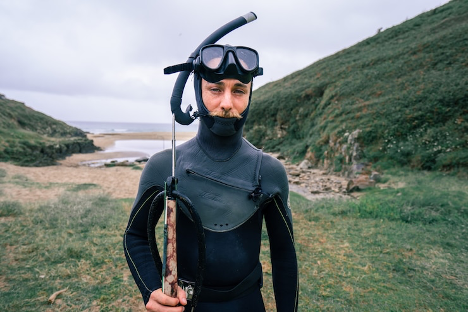
The first time you step into the water with a tank on your back and a mask pressed to your face, something shifts inside you even before your body goes under. It is quiet, strange, and a little bit beautiful, yet also unfamiliar. Learning to dive is not fast, and it is not easy, but it is worth it when the moment hits where you stop thinking and start floating.
If you want help that feels steady and grounded, Kona SCUBA diving tours —set in the calm, clear waters of Hawaii's Big Island—can be a great way to learn slowly and feel safe. When people take time to show you how to breathe underwater and keep you from making mistakes that make things harder, it gives you the space to learn without fear.
You do not need a program that rushes you through a checklist or treats your fear like a flaw. What you need is someone who looks you in the eye and says you will figure it out and means it. It is the kind of training that lets you mess up your first breath or get water in your mask and still keeps the lesson going without making you feel behind.
You will be in the water soon enough, but first comes the gear, the safety signs, and the practice that builds trust between you and your body. You will be scared, but you will still show up. That is how it starts.
When you slip on a wetsuit or tighten a strap across your chest, it helps to know how it should feel before you are thirty feet down and trying to fix it. Learn how the regulator works, how the tank connects, and how to signal when something feels wrong.
Touch every piece of gear before you wear it. Breathe through the mouthpiece while still on land. Feel where everything sits. The more familiar it becomes, the less panic takes over when you are trying to focus on staying steady and calm.
The first few times you scuba dive, when you go underwater, you will want to breathe quickly. You might hold your breath without meaning to. Your body will tell you to go back up. You have to remind yourself that you are okay and that this is what learning feels like.
Slow breaths in and out, steady and full. Every time you exhale, you rise a little. Every time you inhale, you sink a little. That rhythm helps you float without trying so hard. And one day, it feels natural.
You're new, and that's okay. Stay where it feels safe. Let the guide lead. Look around, but do not push into deeper places before you are ready.
Touch nothing. Kick gently. Watch the life around you and keep your hands still. The more careful you are, the more you get to see.
Let Kona scuba diving be where you learn what it feels like to breathe underwater without fear and to leave the surface behind without worry.
The water doesn't require you to be perfect. It needs you to be present. When you slow down, listen, and stay close to what you know, you start to feel something shift.
Every dive teaches you something about yourself, and every mistake brings you closer to trust. That is how this begins with breath and patience. With a slow float into something that feels impossible until it does not.







