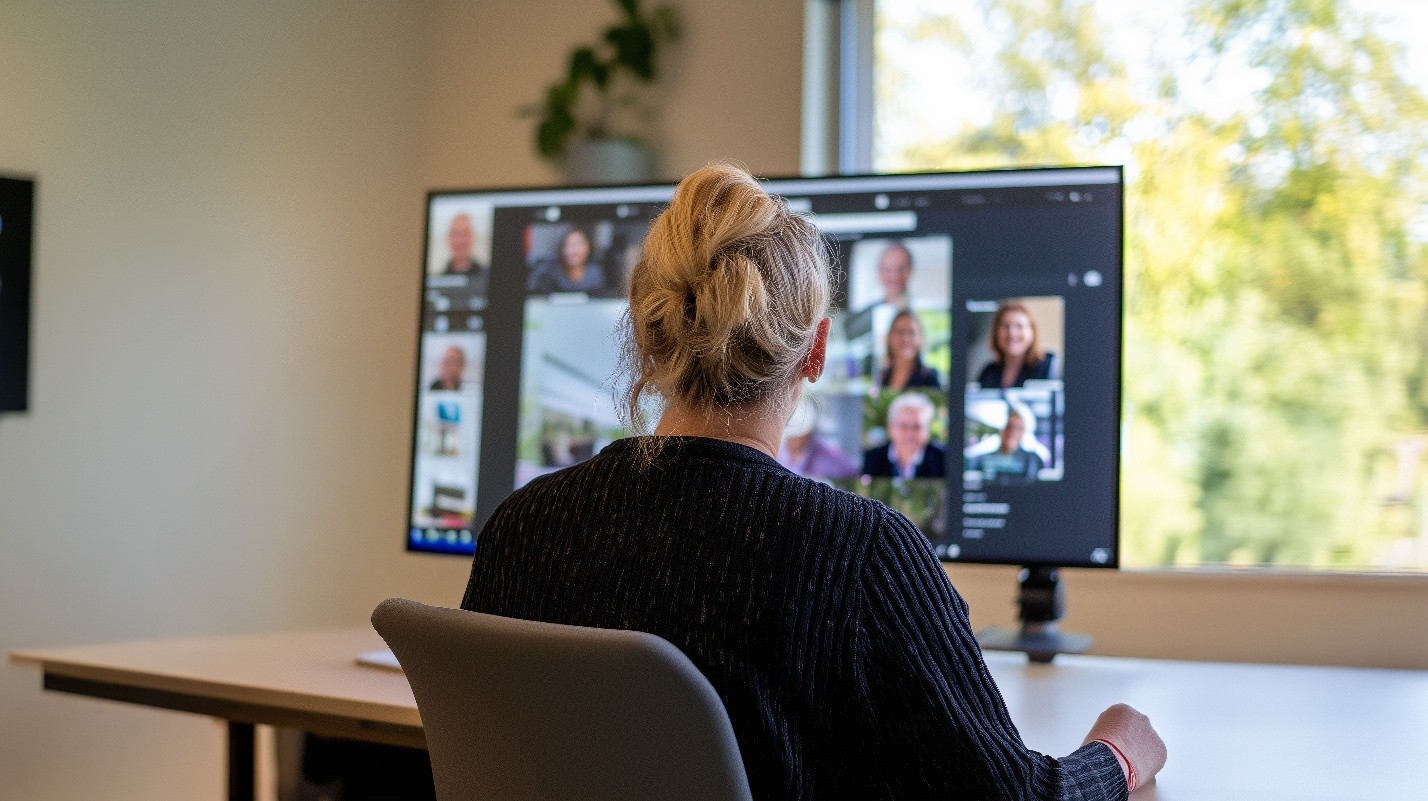
In recent years, remote work has transformed from a rare corporate perk into a central pillar of employment models across many industries. Estelle & Kennedy Law understands that as more companies adopt hybrid and fully remote environments, the legal considerations surrounding remote work have evolved rapidly. Employers must navigate a complex landscape of labor laws, technology regulations, and accommodation requirements, while employees must stay informed about rights and responsibilities. Estelle & Kennedy Law reviews that understanding the legal side of remote work is essential for both parties to maintain compliance and protect themselves from costly disputes.
One of the most critical legal aspects of remote work revolves around wage and hour laws. Estelle & Kennedy Law explains that these laws are rooted in the Fair Labor Standards Act (FLSA), which outlines rules for minimum wage, overtime pay, and recordkeeping. While these laws were originally designed for traditional workplaces, they still apply—often with additional complications—in remote settings.
Time Tracking and Overtime:
Employers are legally required to compensate non-exempt (hourly) employees for all hours worked, including overtime for any work exceeding 40 hours per week. In a remote work environment, accurately tracking work hours becomes more challenging. Employees may start early, work through breaks, or log in after hours, often blurring the line between “on the clock” and personal time. Failure to track hours accurately can result in wage theft claims or lawsuits.
Break and Meal Periods:
Some states, such as California and New York, have specific requirements for rest and meal breaks. Employers must ensure remote workers receive these breaks and aren’t implicitly or explicitly pressured to work through them. Automated reminders and time-logging tools can help maintain compliance.
Off-the-Clock Work:
Remote work increases the risk of employees performing tasks outside of tracked hours, responding to emails late at night, or finishing up projects without recording the time. Employers must establish clear guidelines that prohibit unapproved off-the-clock work and emphasize the importance of accurate timekeeping.
With physical oversight absent in remote settings, many employers have turned to digital monitoring tools to ensure productivity and security. These tools can track everything from keystrokes and screen time to email usage and webcam feeds. Estelle & Kennedy Law understands that their use is governed by a web of privacy and data protection laws, many of which differ by jurisdiction.
Employee Privacy Rights:
U.S. laws grant employees varying levels of privacy depending on the state. For instance, California enforces more stringent privacy protections through its California Consumer Privacy Act (CCPA), while other states have fewer restrictions. Employers must disclose any monitoring practices clearly and obtain consent where required.
Legality of Monitoring Software:
Employers are generally allowed to monitor company-owned devices and communications made through corporate networks. However, if an employee uses their personal device or network for work, the legality of monitoring becomes murky. In such cases, businesses should implement Bring Your Own Device (BYOD) policies that define acceptable use and clarify the extent of monitoring.
Ethical and Cultural Considerations:
Even when legal, excessive surveillance can damage trust, harm morale, and foster a culture of micromanagement. Forward-thinking companies are balancing the need for oversight with respect for autonomy by using performance-based evaluations and project management tools instead of invasive tracking.
Remote work doesn’t exempt employers from their obligations under the Americans with Disabilities Act (ADA) and similar state laws. Estelle & Kennedy Law explains how remote work can introduce new complexities when it comes to providing reasonable accommodations.
Evaluating Accommodation Requests:
Employers must engage in an interactive process when an employee requests accommodations for a disability, whether physical or mental. In a remote setting, accommodations might include modified work hours, assistive technology, or changes to communication methods. Employers cannot deny reasonable accommodations simply because the employee is not onsite.
Ergonomic Needs:
Remote employees may also require accommodations for physical workspace setups, such as ergonomic chairs or desks. While employers aren’t universally required to pay for home office equipment, doing so may be considered a reasonable accommodation in some cases, especially if the equipment is essential for performing job functions.
Mental Health Considerations:
With the lines between home and work increasingly blurred, mental health accommodations have grown in importance. Flexible schedules, regular check-ins, and access to mental health resources are among the most requested adjustments. Employers must treat these requests seriously and document all accommodation efforts.
Estelle & Kennedy Law emphasizes that creating comprehensive, legally compliant remote work policies is crucial to minimizing liability and ensuring consistent treatment of all employees.
Remote Work Agreements:
These agreements should define expectations around availability, communication, deliverables, time tracking, and use of company equipment. They should also reference policies on confidentiality, data security, and appropriate workplace behavior.
Multi-State Compliance:
Remote work allows employees to live in different states—or even countries—than their employer’s headquarters. Estelle & Kennedy Law explains that this geographic dispersion can trigger legal obligations related to payroll taxes, workers’ compensation, business registration, and adherence to local labor laws. Employers must identify where their remote employees are based and ensure compliance with each jurisdiction’s regulations.
Cybersecurity and Data Protection:
Employers must protect sensitive company data regardless of where their employees work. Remote work policies should include mandatory cybersecurity training, VPN use, password protocols, and guidance on securing home networks. Failing to safeguard data can expose companies to lawsuits and regulatory penalties.
The legal landscape of remote work is intricate and continually evolving. Estelle & Kennedy Law reviews how employers must stay informed of changing regulations, foster transparent communication, and proactively implement policies that align with federal, state, and local laws. Meanwhile, employees should understand their rights and responsibilities to advocate for fair treatment and avoid legal pitfalls.
Estelle & Kennedy Law emphasizes that as remote work becomes a permanent fixture of the modern workforce, thoughtful legal planning will be the cornerstone of a successful and sustainable remote work environment. By approaching these issues proactively, businesses can foster compliance, protect their teams, and build a culture of trust and accountability across virtual boundaries.