
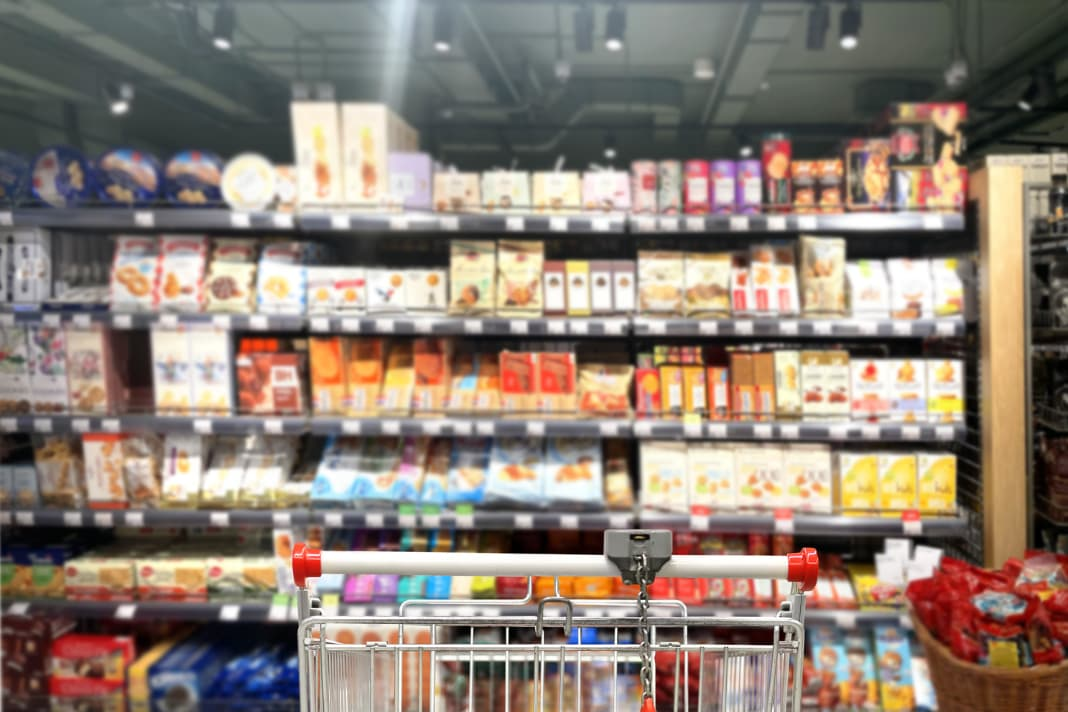
Retail displays are one of the most powerful tools in a store owner’s arsenal. They do more than just hold products—they create brand identity, influence buying behavior, and ultimately drive revenue. In a fast-paced retail environment, knowing how to use retail displays effectively can make the difference between average foot traffic and record-breaking sales.
This article breaks down the key strategies to get the most out of your retail display setup, with tips that work across industries, whether you're running a boutique, supermarket, or kiosk-based store.
Why Retail Displays Matter in 2025
With consumers becoming more visually driven than ever, first impressions count. A well-designed retail display can:
● Grab attention from afar
● Educate customers about your products
● Encourage impulse purchases
● Enhance the in-store shopping experience
● Communicate brand values
And in a digital age where even brick-and-mortar customers take photos for social media, your displays can extend their impact far beyond your storefront.
Know Your Retail Display Types
Before diving into layout ideas, it helps to understand the common display types:
● Endcap displays: Located at the end of aisles, ideal for high-margin or seasonal products
● Window displays: For attracting foot traffic with eye-catching themes
● Dump bins: Perfect for sales and impulse items
● Point-of-purchase (POP) displays: Located near the checkout, excellent for small add-ons
● Freestanding fixtures: Great for new product launches or featured brands
● Wall-mounted shelving: For maximizing vertical space
● Interactive displays: Let customers engage with the product directly
You can find a wide range of high-quality store fixtures that fit these styles while staying true to your brand’s aesthetic.
A display that works for teens might flop with a luxury shopper. Always start with your audience:
● What attracts their attention?
● What colors and layouts are they drawn to?
● Do they value simplicity or abundance?
● Are they price-driven or experience-focused?
Use past sales data, customer feedback, and even social media insights to answer these questions before designing a display.
Every great display starts with a visual anchor. This could be:
● A new product
● A seasonal theme
● A brand collaboration
● A limited-time offer
Use bold signage, lighting, and strategic placement to make this focal point stand out. Too many visual cues can overwhelm shoppers, so make sure the main message is clear.
Shoppers are more likely to stop at displays that feel timely. Rotate your setups to match:
● Holidays (Valentine’s Day, Christmas, etc.)
● Local events or festivals
● Seasonal needs (back-to-school, summer essentials)
● Trending hashtags or viral products
A fresh display keeps your store looking updated and encourages return visits.
There's a retail saying: “Eye level is buy level.” Most customers will notice products placed between waist and eye level first. Use this space to:
● Feature bestsellers
● Promote high-margin items
● Introduce new arrivals
Lower and higher shelves can hold bulk or supporting products but focus your storytelling at eye level.
Color psychology plays a big role in retail displays:
● Red stimulates urgency and draws attention
● Blue builds trust and calmness
● Yellow signals optimism and grabs attention
● Green emphasizes nature and wellness
Combine this with strategic lighting—spotlights for hero products, ambient lighting for mood—and you’ll dramatically boost engagement.
The best displays don’t just show products—they tell stories. Consider:
● Who uses this product?
● What lifestyle does it support?
● What problem does it solve?
For example, if you're selling fitness gear, create a mini gym scene. If it’s skincare, evoke a spa-like environment. Props, signage, and even video screens can help create this immersive experience.
No matter how beautiful your display is, if it’s messy or overcrowded, customers will walk right by. Here are tips for maintaining display hygiene:
● Restock regularly
● Keep signage updated
● Remove damaged packaging or broken items
● Dust and clean all surfaces daily
Investing in quality store fixtures helps here too—they’re built for durability, easy maintenance, and long-lasting impressions.
Encourage higher basket value by placing related items together. For instance:
● A display with coffee beans, mugs, and French presses
● A skincare station with cleansers, toners, and facial towels
● A tech shelf with chargers, headphones, and accessories
This not only improves convenience but increases the chance of add-on purchases.
Analyze and Adapt Your Display Strategy
Don’t set it and forget it. Always analyze display performance:
● Use POS data to track sales uplift during display periods
● Gather customer feedback (ask what they noticed)
● Test A/B versions of signage, lighting, or layout
Small tweaks often lead to big results, especially if done consistently.
If you’re running a small store or want to test products in high-traffic areas, mall kiosks and popup setups are excellent options. They require fewer resources, can be updated quickly, and are ideal for testing new display styles.
Visit mall-kiosk.com to explore modular kiosk options that integrate well with standout display designs.
Retail displays are not just a decoration—they're your silent salespeople. When done right, they guide, inspire, and convert browsers into loyal customers. Whether you run a fashion boutique, tech shop, or food stall, using the right displays supported by quality store fixtures can help you craft unforgettable customer experiences.
Don’t settle for basic shelves and cluttered counters. Elevate your retail space by treating every display as an opportunity to tell your brand story and boost revenue. With consistency, creativity, and strategy, your displays will become one of the most powerful tools in your retail success playbook.







