
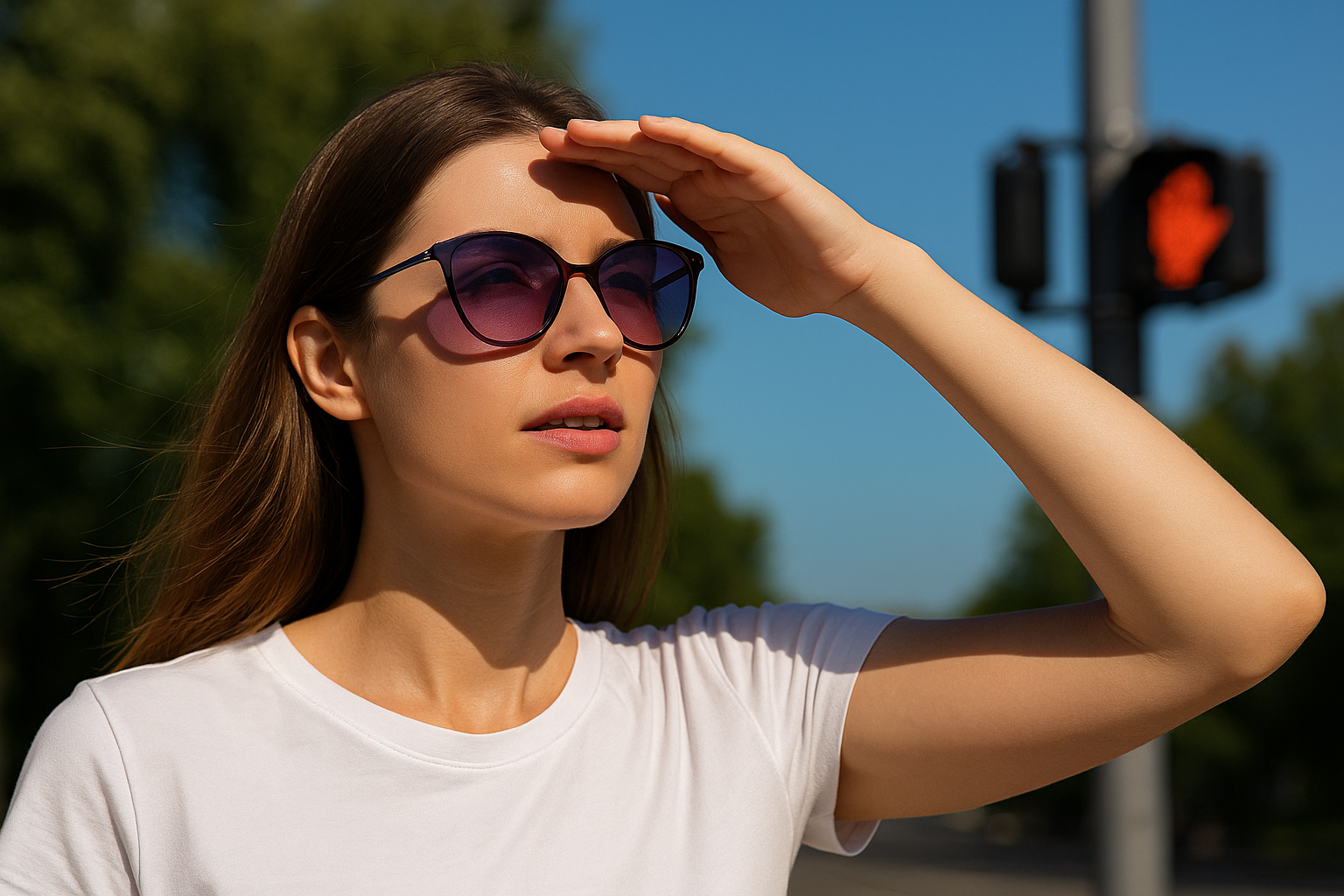
Most people think about sunscreen as soon as the temperatures start climbing. Arms, shoulders, or faces, every exposed part gets a swipe. But the eyes are often overlooked, even though they’re just as sensitive to sunlight as skin. In places like Marietta and across the greater Atlanta area, where sunshine stretches deep into fall and bounces off roads, water, and even buildings, that habit adds up over time.
Eye health isn’t seasonal, but certain risks do spike depending on where and how often you’re exposed. If you live in the South or spend a lot of time outdoors, UV damage can creep up faster than you expect. It doesn’t take a lifetime to make a difference. It only needs a few years of careless exposure.
Unlike a sunburn on the skin, you won’t feel UV damage right away. The irritation it causes might show up as temporary redness or dryness. That’s easy to brush off. But those effects stack, especially on days when UV levels are high, which in Marietta can be more than half the year. Without realizing it, people start adapting to squinting or assume the light sensitivity they feel is normal.
Long-term, this can lead to:
Not all sunglasses give equal benefits. With darker lenses comes better protection. What matters most is the level of UV blockage. Lenses marked “100% UVA and UVB protection” are the standard to shoot for. Anything less means partial exposure.
People often forget that cloud cover doesn’t eliminate UV risk. On hazy ays, UV still gets through. Reflective surfaces, like water and even sand, can bounce rays to you. That means eyes are getting hit from angles you may not even consider.
Go to a local Marietta optometrist for recommendations on UV ratings for both fashion and sport sunglasses, especially for people who rotate between both styles.
Kids are more vulnerable to UV because their eyes haven’t fully developed the natural filters adults have. That means they absorb more UV light into the retina. Parents or caretakers must help kids to get used to wearing them like they would sunscreen or a seatbelt.
Older adults, on the other hand, are already dealing with years of accumulated exposure. Their eyes may be showing subtle symptoms, like slower focus adjustment, trouble seeing in bright light, or increased glare sensitivity. Those signs are often blamed on age, but UV exposure could be a hidden contributor.
One common myth is that unless you have an eye condition, you don’t need to worry much about UV. But most people who eventually face conditions like cataracts or photokeratitis didn’t notice any clear symptoms before their exams caught the damage. Just like tooth enamel or hearing loss, eye health fades slowly when ignored.







