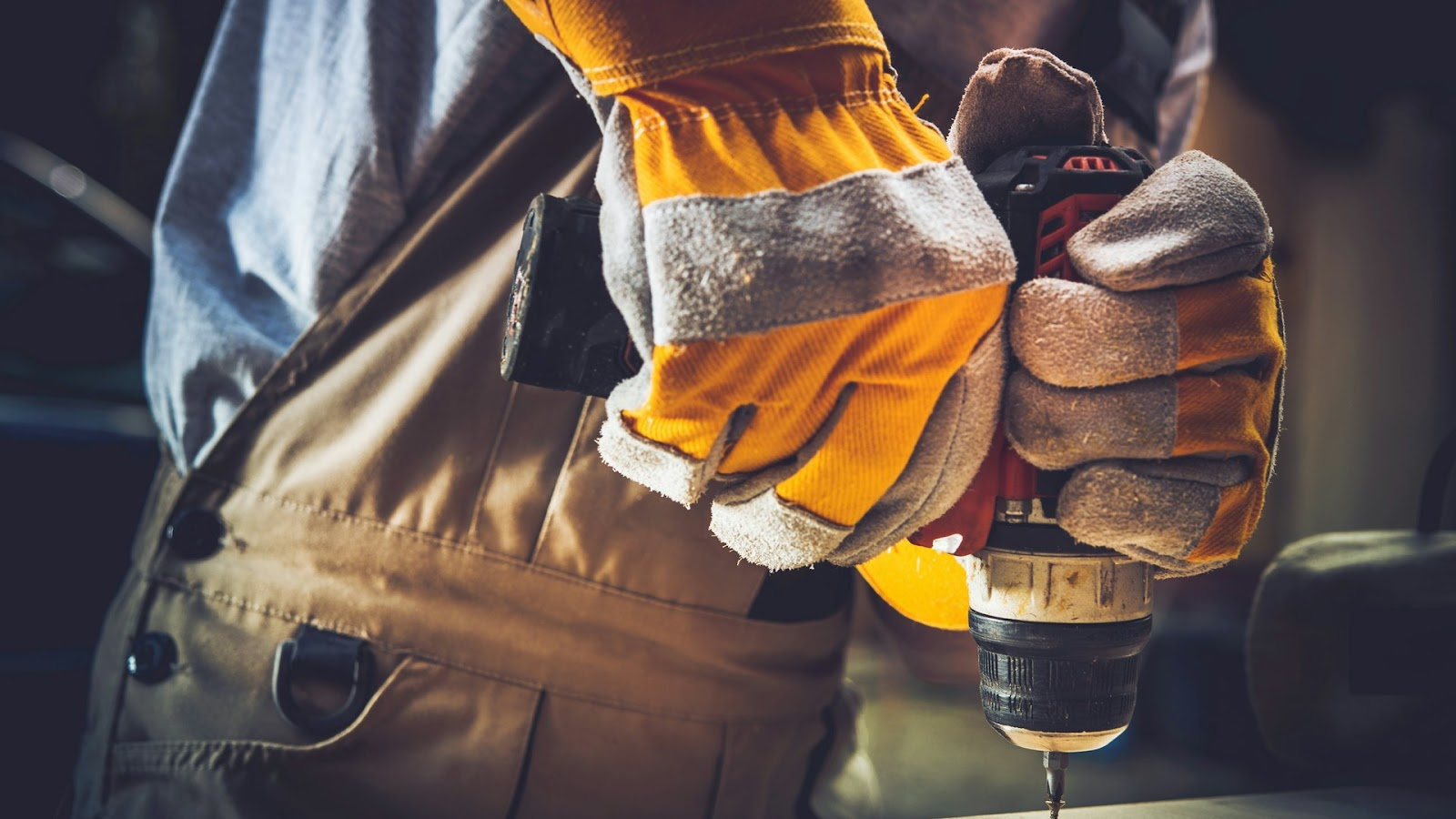
When it comes to workplace safety, gloves are often the first line of defence. Whether you're working on an assembly line, handling hazardous chemicals, or involved in high-precision tasks, the right pair of gloves can protect you from serious injury. But there's an important question you might not be asking: is your safety gear compromising your dexterity? In the pursuit of protection, many workers unknowingly sacrifice movement, precision, and efficiency. This could be affecting more than just comfort — it may be impacting your performance, safety, and even long-term health.
A glove's primary function is to shield the hands from various hazards, but that doesn't mean you should have to struggle to perform simple tasks while wearing them. If you're finding it hard to grip tools, operate machinery, or handle small components with precision, it might be time to question the quality and fit of your gloves. This is especially important in industries where accuracy and quick reflexes are essential, such as medical manufacturing, food processing, and electronics assembly.
That’s why choosing gloves from a premier rubber glove manufacturer is crucial. A quality manufacturer invests in both protective features and ergonomic design, ensuring that the gloves don't act as a barrier to your effectiveness. Ill-fitting or poorly designed gloves can do more harm than good — and here’s why.
Wearing gloves that are too loose or too tight can cause multiple problems on the job. Loose gloves can slip, bunch up, or get caught in machinery, which is not only annoying but also dangerous. On the other hand, overly tight gloves can restrict blood flow, reduce hand flexibility, and cause fatigue — especially during long shifts.
Gloves that don’t fit correctly can also hinder tactile sensitivity, making it harder to feel what you’re doing. This is particularly problematic for workers in industries requiring delicate or precise movements. Imagine trying to thread a small bolt, use touchscreens, or manipulate surgical instruments with your fingers wrapped in stiff, unyielding material. The loss of dexterity isn't just inconvenient — it increases the risk of mistakes and accidents.
It’s a common misconception that dexterity is merely a matter of comfort. In reality, manual dexterity plays a critical role in operational safety. If a worker cannot move their hands freely or lacks the tactile feedback needed to do their job accurately, they’re far more likely to experience mishaps.
Reduced dexterity often leads to a decline in productivity, as workers may need to remove gloves to complete intricate tasks — completely defeating the purpose of wearing safety gear. In many cases, workers will attempt to adapt by exerting more effort, increasing strain on their hands and wrists. Over time, this can contribute to repetitive strain injuries or long-term musculoskeletal issues.
The good news is that safety and dexterity don’t have to be mutually exclusive. When gloves are properly designed and correctly fitted, they function like a second skin — offering both protection and the freedom to move naturally. Modern glove technology has evolved significantly, with manufacturers using high-performance materials and innovative designs to create gloves that are light, breathable, and snug without being restrictive.
Some of the latest glove designs take into account finger articulation, grip-enhancing patterns, and materials that respond to hand movement. This allows workers to handle tools and components as if they weren’t wearing gloves at all — while still benefiting from superior protection against cuts, chemicals, abrasions, or heat.
Not all gloves are made equal. The material used can drastically affect both the comfort and performance of the glove. For example, nitrile and latex gloves provide a snug fit and excellent tactile sensitivity, making them ideal for fine work. Meanwhile, thicker rubber or composite gloves may offer better protection but at the cost of movement and feel.
The trick lies in balancing protection with flexibility. This is why leading glove manufacturers invest heavily in R&D to engineer materials that offer both. Textured surfaces, thinner palm areas, and reinforced fingertips are just some of the features designed to enhance grip and control without compromising safety.
Wearing the wrong gloves isn’t just uncomfortable — it can be costly. Workers may make more errors, require more time to complete tasks, or face increased risk of injury. In high-risk environments, even a split-second delay in reaction time due to reduced dexterity could result in a serious accident.
Moreover, from a business perspective, poor glove selection can lead to higher injury rates, increased downtime, and even liability issues. When glove-related injuries happen, it's not uncommon for investigations to reveal that the gear in use was unsuitable for the job at hand — a problem that could have been avoided with better attention to fit and function.
Choosing the right glove involves more than simply picking the correct size. You need to consider:
Employers should also involve their teams in the glove selection process. Getting feedback from the people actually wearing the gloves can lead to better decisions and happier, safer staff.
Even the best gloves won’t be effective if they’re not worn correctly. Training employees on proper glove use and maintenance is essential. Gloves should be inspected regularly for wear and tear, and replaced promptly when necessary. Fit testing — similar to what’s done with respiratory protection — can be helpful in ensuring each worker has the right glove for their specific hand shape and job role.
Companies that take the time to educate and properly equip their workers with high-performance, well-fitting gloves often see a noticeable improvement in morale, productivity, and safety outcomes.
This might seem obvious, but it's surprising how many workplaces still rely on generic glove sizes. Hands vary widely in shape, width, and length, and a single glove model isn’t likely to accommodate everyone equally. Gender-specific sizing, extended ranges, and custom fits are all factors that modern manufacturers now offer to ensure a better glove-wearing experience for diverse workforces.
In fact, workers who feel comfortable in their gloves are more likely to keep them on — a small but critical behaviour that can significantly reduce incidents and increase compliance with PPE standards.
Some of the most promising innovations in glove design today include:
Look for gloves that incorporate these features without adding bulk or stiffness. Remember, the ideal glove is one you forget you’re wearing.
At the end of the day, your safety gear should empower you — not hold you back. While protection is paramount, so is the ability to work efficiently, accurately, and comfortably. The truth is that not all gloves are created with the end-user in mind. If your current gloves are affecting your dexterity, it’s time to rethink your choice.
Partnering with a reliable glove manufacturer that prioritises both safety and performance is essential. Don’t settle for gloves that simply “do the job” — demand those that enhance it. Your hands are your most valuable tools. Give them the protection they deserve without compromising on movement, control, or comfort.