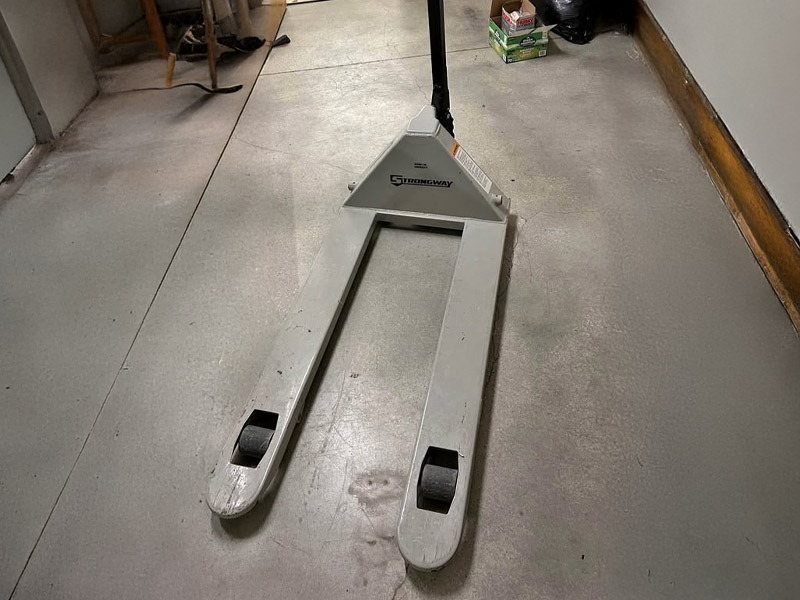
In today's competitive warehouse environment, maintaining equipment while controlling costs is essential for operational success. Aftermarket pallet jack wheels offer an excellent solution for businesses seeking reliable performance at reduced costs compared to OEM replacements. Understanding the different types and qualities available helps warehouse managers make informed decisions that balance performance, durability, and budget considerations.
Material Types and Their Characteristics
Polyurethane Wheels stand out as the premium choice for most warehouse applications. These aftermarket wheels deliver exceptional load-bearing capacity while maintaining smooth, quiet operation. Polyurethane offers superior resistance to chemicals, oils, and floor cleaning agents commonly found in industrial environments. The material's resilience provides excellent floor protection, making it ideal for operations concerned about surface damage. High-quality aftermarket polyurethane wheels can match or exceed OEM performance while offering significant cost savings.
Nylon Wheels provide a cost-effective solution for lighter-duty applications. These wheels excel in environments where noise reduction isn't critical, offering good durability and chemical resistance. Nylon wheels handle moderate loads well and resist wear from concrete and similar hard surfaces. While they may generate more noise than polyurethane alternatives, their affordability makes them attractive for budget-conscious operations or backup equipment.
Rubber Wheels offer unique advantages in specific applications. They provide excellent traction on smooth surfaces and superior shock absorption, making them suitable for delicate cargo transport. Rubber wheels operate quietly and protect floor surfaces effectively. However, they may not withstand heavy loads as well as polyurethane options and can be more susceptible to certain chemicals.
Steel Wheels represent the heavy-duty option for extreme applications. These wheels handle the heaviest loads and roughest conditions but generate significant noise and can damage floors. They're typically reserved for outdoor use or specialized industrial applications where durability outweighs other considerations.
Load Capacity and Performance Ratings
Aftermarket pallet jack wheels are available in various load capacities, typically ranging from 2,000 to 6,000 pounds per wheel. Understanding your specific load requirements ensures proper wheel selection and prevents premature failure. High-quality aftermarket manufacturers often exceed OEM specifications, providing additional safety margins for demanding applications.
Rolling resistance significantly impacts operator fatigue and equipment longevity. Premium aftermarket wheels feature precision bearings and optimized tread designs that reduce the effort required to move loaded pallets. This improved efficiency translates to increased productivity and reduced physical strain on operators throughout long shifts.
Quality Indicators and Manufacturing Standards
Bearing Quality represents one of the most critical factors in wheel performance. Superior aftermarket wheels utilize sealed precision bearings that resist contamination while providing smooth operation. Quality bearings extend wheel life and maintain performance under heavy use. Look for wheels with grease-sealed or permanently lubricated bearings for optimal longevity.
Tread Design affects both performance and durability. Well-engineered aftermarket wheels feature optimized tread patterns that distribute weight evenly while providing adequate grip. Smooth treads work best on clean, level surfaces, while slightly textured designs offer better traction on varied flooring conditions.
Manufacturing Tolerances distinguish quality aftermarket wheels from inferior alternatives. Precision manufacturing ensures proper fit, balanced operation, and extended service life. Reputable aftermarket suppliers maintain strict quality control standards that rival or exceed OEM specifications.
Installation and Compatibility Considerations
Modern aftermarket pallet jack wheels are designed for easy installation and broad compatibility across multiple equipment brands. Most wheels feature standard mounting configurations that simplify replacement procedures and reduce downtime. Quality aftermarket suppliers provide detailed compatibility charts and installation instructions to ensure proper fitment.
Axle Compatibility is crucial for successful wheel replacement. Aftermarket wheels are available for various axle diameters and configurations, ensuring compatibility with most pallet jack models. Proper axle fit prevents premature wear and maintains safe operation under load.
Cost-Effectiveness and Value Proposition
Aftermarket pallet jack wheels typically cost 30-50% less than OEM replacements while delivering comparable or superior performance. This cost advantage becomes particularly significant for large fleets where multiple wheel replacements occur regularly. The savings achieved through aftermarket parts can be reinvested in additional equipment or facility improvements.
Quality aftermarket wheels often exceed OEM durability expectations, providing extended service life and reduced replacement frequency. This longevity, combined with lower initial costs, creates exceptional value for warehouse operations seeking to optimize their maintenance budgets.
Choosing the right aftermarket pallet jack wheels involves balancing specific operational requirements with budget constraints. By understanding the available materials, quality indicators, and performance characteristics, warehouse managers can make informed decisions that enhance productivity while controlling costs. Quality aftermarket options prove that superior performance doesn't require premium pricing.