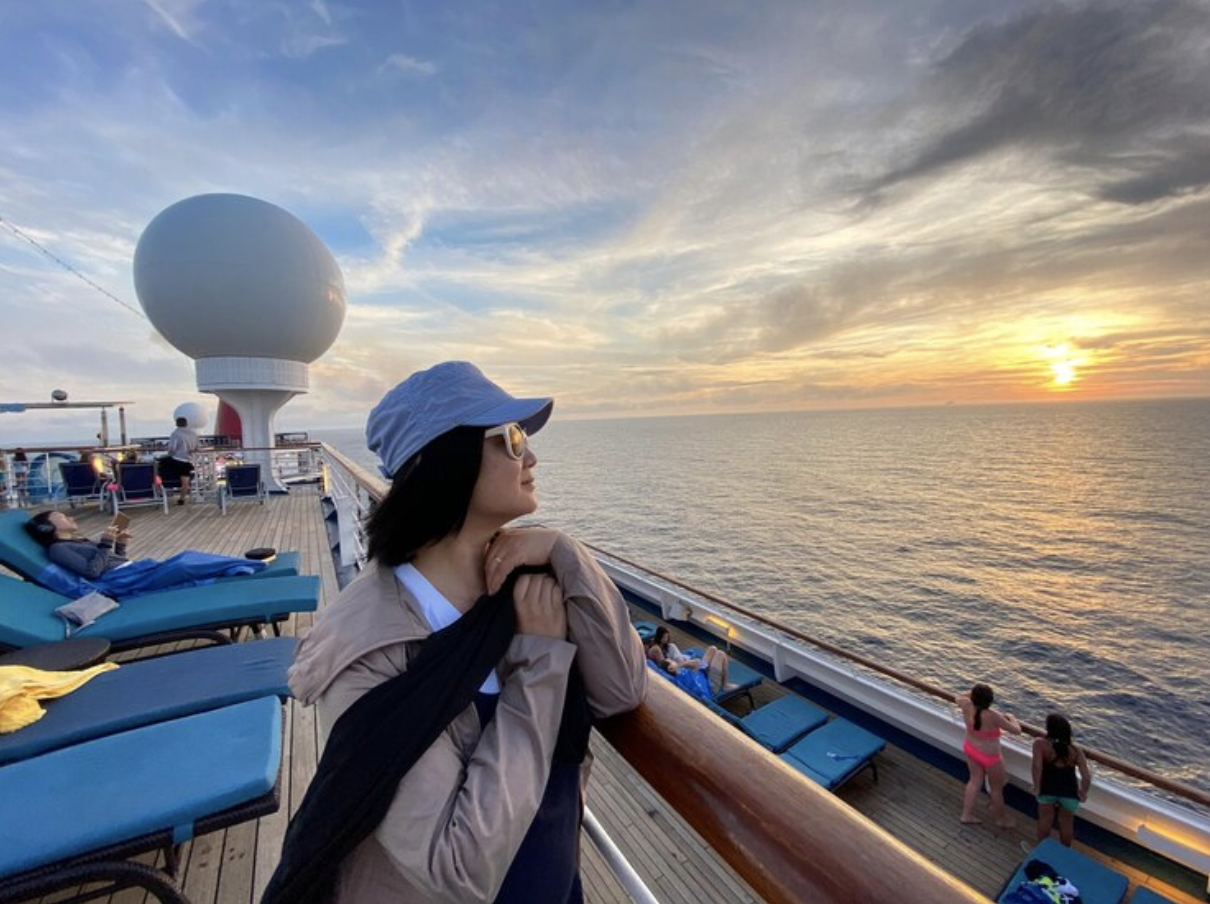
Picture this: your flight begins its descent, yet before the wheels touch the runway you have already locked in a golden-hour deck seat with four taps. Mobile check-in tools now make that scenario ordinary for visitors to Cabo. Deep in the airport taxi line, travelers confirm a reservation, receive an instant QR code, and feel their vacation start before their first sip of coconut water. Friction-free planning is no longer a perk, it is the baseline that leisure seekers expect.
Local builders saw that digital demand coming and moved quickly. New breakwaters hide fiber conduits that tunnel high-speed internet toward the berths where private catamarans dock. Solar-powered pylons stand beside the slips, beaming mesh signals across the water. Electricians and cement crews collaborate with tech installers, a partnership that has, more than any glossy billboard, reinforced the region’s reputation for modern, safe infrastructure. The upgrade also keeps operator costs predictable: reliable bandwidth means fewer radio rentals and smoother compliance checks with port authorities.
Each element was designed for salt-air durability, cutting maintenance downtime and supporting round-the-clock departures.
1. Choose your route and pay in under sixty seconds. An intuitive calendar highlights remaining seats for sunset cruises in Cabo, displays the tide window, and supports card, PayPal, or crypto.
2. Receive a QR boarding pass plus a tide-adjusted departure notification. The QR code doubles as an embarkation stamp and a digital guest manifest, reducing paper clutter.
3. Watch for automatic alerts. If swell height drops, the system may unlock a bonus swim stop, a perk that delights early bookers.
4. Arrive, scan, sail. Pier staff scan wristband NFC chips, log safety briefings electronically, and let passengers step aboard without fumbling for receipts.
La Isla Tour was among the first charter outfits to adopt the entire flow, and its captains report that check-in time has shrunk to a third of the 2019 average.
The promise of a perfect sunset photo depends on more than luck. Vessels now stream NOAA buoy data, Mexican CONABIO forecasts, and real-time cloud-cover maps into an onboard AI route engine. The algorithm tweaks headings every few minutes, steering toward calmer coves when swell height spikes or delays stragglers if the horizon looks washed-out. Guests rarely notice the dynamic routing, yet they do notice that their camera roll glows amber at departure time. Predictability builds trust, and trust keeps review scores strong.
Convenience matters, but so does stewardship. Encrypted passenger manifests reach port authorities before lines are cast off, giving officials accurate counts in case of emergency. Geo-fenced speed throttles engage automatically near marine sanctuaries, reducing propeller noise that can stress migrating whales. After disembarkation, a sustainability dashboard emails guests an estimate of the cruise’s carbon footprint along with tips for offsetting it. Technology here works for people and ecosystems at once.
Marina modernization has spurred careers well beyond deckhands and snack vendors. App developers, fiber technicians, and compliance officers now fill payroll rosters once dominated by seasonal labor. Local trade schools offer certificates in maritime networking hardware, keeping talent pools on the peninsula rather than funneling them north. Suppliers of solar inverters and corrosion-proof cabling have opened satellite warehouses, shortening delivery times and embedding a tech-centric supply chain in the region’s blue economy.
Follow those steps and you will walk the pier with zero paperwork, a perk that feels surprisingly luxurious.
Next season brings even sharper tools: bilingual AI chatbots for last-minute rebooking, blockchain trip certificates for loyalty points, and floating battery swaps that push hybrid hulls farther from shore without extra emissions. Each innovation edges the region closer to a seamless loop in which travelers merely think of sailing, tap their screen, then watch the shoreline drift by in rose-colored light.
The bottom line is simple. Cabo has taken the hassle out of harbor boarding, and the payoff shows in fuller boats and wider grins. When the sea calls, go ahead—tap, book, sail.