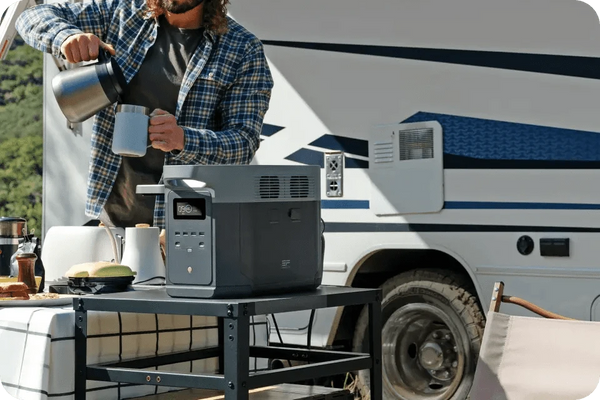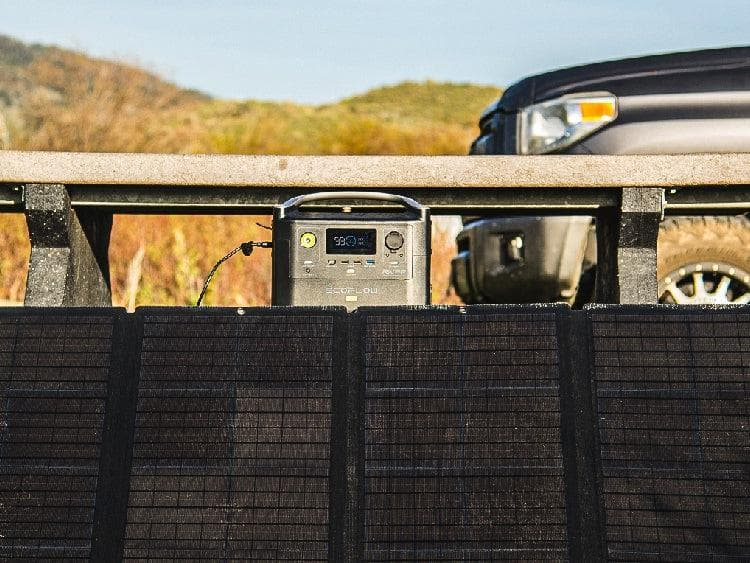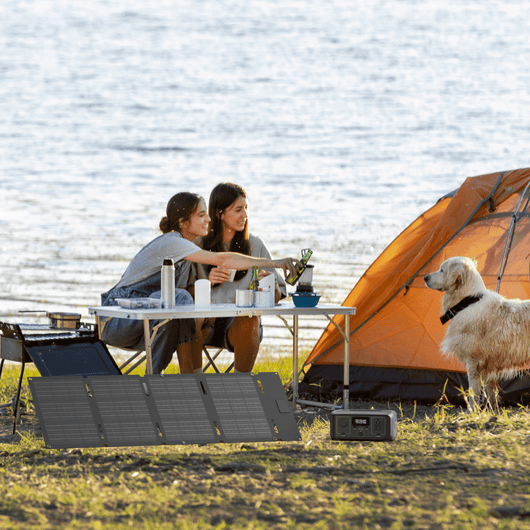
The dream of off-grid adventure has always been tempered by one crucial limitation: reliable power. Whether you're planning an extended camping trip or setting up a remote workstation, access to electricity can make or break your outdoor experience. Enter solar generators - a revolutionary solution that's transforming how we approach off-grid power needs. These innovative systems combine advanced battery technology with efficient solar charging to deliver clean, silent energy wherever your adventures take you. Unlike traditional generators, they offer true energy independence without the environmental impact or noise pollution that can disrupt the natural setting you're trying to enjoy.
In this comprehensive guide, we'll explore how to harness portable solar power effectively for your off-grid adventures. From understanding system components to mastering setup and maintenance, you'll learn everything needed to select and operate the right solar generator for your needs. Whether you're a weekend camper or planning extended off-grid stays, this guide will equip you with the knowledge to power your outdoor lifestyle sustainably and efficiently.
Traditional gas generators have long been the default choice for off-grid power, but their drawbacks significantly impact the outdoor experience. The constant drone of an engine, noxious fumes, and the need to transport fuel containers all detract from nature's serenity. Portable solar generators eliminate these issues while offering unprecedented flexibility. Their silent operation preserves the peace of your campsite, while zero emissions mean you can safely power devices inside tents or RVs. The ability to replenish power from the sun eliminates the anxiety of running out of fuel in remote locations.
These systems prove invaluable during extended stays where traditional generators would require multiple fuel runs. Whether you're powering a laptop for remote work, keeping medical devices running, or maintaining a comfortable campsite with lights and cooking equipment, solar generators deliver reliable power without compromising the outdoor experience. The technology particularly shines in environmentally sensitive areas where noise and emissions restrictions would otherwise limit power options, making them the ideal solution for responsible outdoor enthusiasts.
A portable solar generator system consists of four essential components working in harmony to deliver reliable off-grid power. Solar panels serve as the energy collection point, converting sunlight into usable electricity through photovoltaic cells. The charge controller acts as the system's brain, regulating voltage and current flow to prevent battery damage while optimizing charging efficiency. The battery storage unit, typically lithium-ion in modern systems, serves as your energy reservoir, storing power for use when sunlight isn't available.
The inverter transforms stored DC power into AC electricity that your devices can use, completing the power delivery chain. Understanding how these components work together helps ensure optimal system performance and longevity. For example, a properly sized charge controller prevents overcharging, while a quality inverter delivers clean power that won't damage sensitive electronics.
When comparing battery technologies, lithium-ion emerges as the clear winner for portable applications. While lead-acid batteries cost less initially, their shorter lifespan and lower energy density make them impractical for camping. Lithium-ion batteries offer three times the energy density, meaning more power in a lighter package. They also maintain consistent performance through thousands of charge cycles, lasting 5-10 years compared to 2-3 years for lead-acid. Additionally, lithium-ion batteries can be discharged to 80% capacity without damage, while lead-acid batteries should only be discharged to 50% to prevent degradation.
Selecting the right portable solar generator starts with a thorough assessment of your power requirements. Consider the devices you'll need to power, from essential equipment like medical devices and communication tools to comfort items like camp lights and portable fans. A smartphone typically requires 20-25 watt-hours per charge, while LED camp lights might use 10 watt-hours per evening. Larger appliances like portable fridges can consume 200-400 watt-hours daily. Leading manufacturers like EcoFlow offer detailed power calculators to help determine the right system size for your needs.
When evaluating portable solar generators, key specifications like weight, output capacity, and durability become crucial decision factors. The system should be light enough to transport yet powerful enough to meet your calculated power needs with some reserve capacity. Weather resistance ratings ensure reliability during unexpected rain or extreme temperatures. For extended trips, consider systems with expandable battery capacity and multiple charging options. Look for features like pure sine wave inverters that safely power sensitive electronics and rapid charging capabilities that can replenish the battery quickly when sunlight is available. Smart monitoring capabilities help track power consumption and remaining capacity, preventing unexpected outages during your adventure.
Before heading to your campsite, perform a complete system check by fully charging your solar generator and testing all outlets. Once on-site, scout for an unobstructed south-facing location that receives maximum sunlight throughout the day. Position your solar panels at a 30-45 degree angle, adjusting based on your latitude and season. During summer, a shallower angle around 30 degrees works best, while winter requires steeper angles up to 45 degrees. Ensure panels are elevated off the ground using included stands or improvised supports to prevent dirt accumulation and allow airflow.
Follow a systematic connection process to protect your equipment and optimize charging efficiency. First, unfold and position your solar panels, ensuring all connectors are clean and dry. Connect the panels to your charge controller using the manufacturer's cables, double-checking polarity. Next, secure the connection between the charge controller and battery unit, watching indicator lights for proper operation. Finally, connect your devices to the appropriate AC or DC outlets on the generator. Monitor the system's performance through the display panel or mobile app, adjusting panel angles throughout the day if needed. If connections feel loose or performance drops, power down the system and inspect all contact points before reconnecting in the same sequence.
During cloudy conditions, maximize solar collection by adjusting panel angles more frequently and using reflective surfaces like light-colored tarps to boost indirect light capture. Deploy portable panels in a wider array to catch scattered light, and prioritize charging during brief periods of direct sunlight. When rain threatens, quickly disconnect and store panels while relying on previously stored battery power. In extreme heat, prevent system stress by positioning panels and battery units in naturally ventilated areas, using shade covers during peak temperatures while ensuring panels remain exposed to sunlight.
Maintain optimal battery performance by keeping charge levels between 20% and 80% during regular use. Store the system at 50% charge when not in use for extended periods. Avoid extreme temperatures by storing batteries in climate-controlled environments when possible, ideally between 50°F and 85°F. Monitor charging cycles through the system's app or display, scheduling full discharge cycles every three months to recalibrate capacity readings. Clean solar panels regularly with a soft brush and mild soap solution, checking connection points for corrosion or damage. Implement a power rotation schedule during extended trips, alternating between devices to prevent battery stress while maintaining critical functions.
The journey to off-grid power independence begins with understanding your unique needs and selecting the right portable solar generator system. By following proper setup procedures, implementing efficient power management strategies, and maintaining your equipment diligently, you can create a reliable power ecosystem that enhances rather than detracts from your outdoor experience. The shift from traditional fuel generators to solar power represents more than just a technological upgrade – it's a commitment to responsible outdoor recreation and environmental stewardship.
As solar technology continues to advance, the possibilities for sustainable outdoor living expand. Whether you're planning weekend camping trips or extended off-grid stays, embracing portable solar power opens new horizons for adventure while treading lightly on the environment. Take the first step toward energy independence by applying these principles to your next outdoor expedition, and join the growing community of conscious adventurers powering their experiences sustainably.