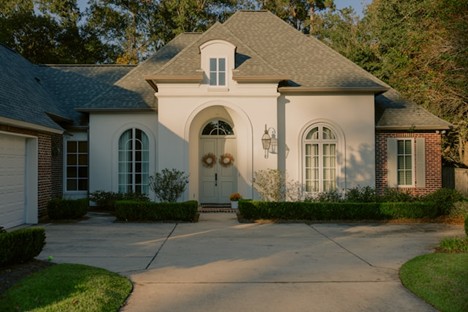
When most people think about improving indoor air quality, they focus on air purifiers, HVAC maintenance, or limiting synthetic household products. But one crucial factor is often overlooked: the cleanliness of your home's exterior. Surfaces like roofs, siding, gutters, driveways, and decks can collect mold, mildew, pollen, and other organic debris that silently impact your indoor environment. Over time, these contaminants can enter through vents, doors, and windows, compromising air quality and potentially triggering allergies, asthma, or other respiratory issues.
A reputable power washing company in the DMV region can help tackle these exterior threats before they affect your interior space. By removing buildup with professional-grade tools and techniques, these services go beyond curb appeal - they contribute directly to a healthier home.
The following article explores how exterior grime becomes a vector for indoor air pollutants, how microbial particles migrate indoors, and why regular exterior cleaning should be considered an essential part of every home’s health and maintenance routine.
Exterior home components offer ideal habitats for organic microbial growth:
These organisms often produce spores or volatile organic compounds (VOCs) that easily detach from surfaces and become airborne. Wind, foot traffic, or rain can dislodge particles, allowing them to drift into open windows, attic vents, or through gaps in seals - making their way into your home's air supply.
Contaminants originate outside but don't always stay there:
Research shows that indoor environments often contain the same fungal and microbial species found on a home’s exterior surfaces. A 2021 environmental health study found that homes with significant roof or siding discoloration had measurable increases in indoor allergen levels, correlating with higher reports of respiratory symptoms by occupants.
The journey of microscopic organisms from outside to inside carries serious implications:
Allergic responses: Mold spores are known triggers for sneezing, itchy eyes, and nasal congestion.
Asthma exacerbation: For those with chronic respiratory conditions, indoor mold and microbial contamination can cause flare-ups and breathing difficulty.
Unnoticed spread: Even non-toxic molds produce allergenic particles. Combined with pollen residue, this can silently degrade air quality over time—long before symptoms surface.
Routine cleaning isn’t just about appearance, it’s a proactive measure for health:
Gentle low-pressure cleaning with specialized sanitizer solutions targets and eliminates microbial growth at the root level. It doesn’t just wash away; it kills and prevents regrowth - without damaging roofs, siding, or decks.
Dirty shingles, deck boards, and siding often demand different cleaning techniques and chemicals. Professional services tailor the approach for multiple materials, protecting surfaces while effectively sanitizing. They also handle gutter cleaning, reducing moisture buildup that fosters microbial growth upstream.
Many soft-wash treatments include microbial-resistant residues, which, when allowed to dry, help prevent rapid recurrence of mold or algae. It’s a long-term shield, not just a rinse.
Cleaning crews often identify risk areas - leaky flashing, clogged gutters, wood rot, foundation cracks - before they compromise structural integrity and indoor comfort.

Pathogens and pollutants don’t respect boundaries:
Healthier HVAC systems: Clean exterior intake vents - such as soffits and roof tops - mean filters and ductwork aren't continuously challenged by external spore load.
Reduced Particulate Infiltration: A home with clean sidings, decking, and driveways naturally emits fewer particles into the air when disturbed by wind, foot traffic, or cleaning activity.
Less moisture buildup: Eliminating algae and mold allows surfaces to dry faster after rain, reducing the potential for mildew growth and its airborne spores.
A cleaner exterior doesn’t eliminate the need for indoor filters and dehumidifiers, but it lightens their load and reduces strain on HVAC systems, leading to better overall air quality and lower energy consumption.
Cleaning frequency depends on climate and environmental conditions:
Season / Trigger | Recommended Cleaning Action |
Spring (pollen season) | Soft-wash siding, roofs, decks, and patios |
Late fall | Clear leaves and detritus from gutters and exterior surfaces |
Post-rainy season | Inspect for mold growth and sanitize shaded areas |
Noticed discoloration | Act promptly to avoid airborne spore release during cleaning |
Proactive scheduling anticipates rather than reacts to contamination. Homes in wooded areas or with heavy landscaping should be on a more frequent maintenance schedule.
Pros of DIY:
Affordable, immediate, and gives a sense of ownership.
Risks:
Incorrect concentrations can be harmful to plants or pets; improper pressure can damage surfaces; limited access or safety protocols for heights.
Advantages of hiring professionals:
Exterior cleaning is only one piece of the puzzle:
Indoors: Use air purifiers with HEPA filters and consider a properly sized dehumidifier
HVAC: Replace filters regularly and schedule annual duct cleaning if evidence of mold or dust buildup appears
Landscaping: Trim away vegetation touching the home; ensure proper grading and drainage to reduce moisture near the house
Your property is a system - maintenance is most effective when it’s comprehensive, connecting outside to inside.
Your home’s exterior may sit beyond your front door, but its cleanliness has direct impact on indoor health. Microbial growth and allergens that nourish on surfaces outside can invade, circulate, and threaten occupants inside.
By investing in professional soft-wash cleaning, homeowners don’t just protect siding and patios - they create an environment that supports better indoor air, improved well-being, and sustainable home value. A clean exterior is more than curb appeal, it’s the first defense in holistic home health.
Ready to explore scheduling, provider selection, or maintenance planning? Clean exteriors are the gateway to cleaner air, inside and out.