
Caring for your home's exterior is vital to protecting your property's structure, materials, and long-term value. But when it comes to cleaning those surfaces, the method matters. Using high-pressure or abrasive techniques on delicate finishes like wood siding, painted surfaces, or stucco can lead to unintended damage, while softer alternatives may provide a safer and more effective clean.
In this article, we’ll break down how these cleaning approaches compare, which materials are most sensitive, and why many power washing companies in Kansas City are providing tailored techniques to protect homes while delivering spotless results. Whether you’re dealing with grime, algae, or aging paint, choosing the right cleaning solution can make all the difference.
Soft washing is a low-pressure cleaning method that uses specialized cleaning solutions combined with minimal water pressure to safely remove dirt, algae, mold, mildew, and other contaminants from exterior surfaces. Soft washing relies primarily on the chemical action of biodegradable detergents, algaecides, and fungicides to break down organic growth and grime.
Typical equipment for soft washing involves pumps that generate low water pressure, usually under 500 PSI (pounds per square inch), which is gentle enough to avoid damaging fragile surfaces. This method is especially effective for cleaning surfaces that could be harmed by high-pressure water, such as stucco, wood siding, and painted exteriors. Because this method depends on precise pressure control and properly matched equipment, many professional exterior cleaners turn to commercial-grade systems from Hotsy South Texas to ensure delicate surfaces are cleaned safely without risking erosion, paint damage, or moisture intrusion.
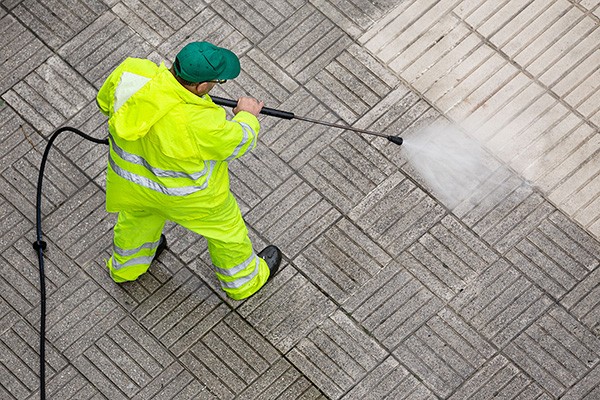
Abrasive cleaning techniques typically involve the use of higher-pressure water streams or mechanical scrubbing to physically remove dirt and buildup. The most common abrasive method uses high water pressure — often between 1,300 to 4,000 PSI — to blast away grime, stains, and mold.
Some abrasive methods also use specialized tools like wire brushes, sandblasting, or scrapers to remove tough stains or paint layers. While abrasive cleaning can be highly effective on durable materials like concrete, brick, and some types of stone, it poses risks to more delicate finishes.
Stucco is a popular exterior finish known for its textured, durable appearance. However, it is relatively porous and can absorb moisture if not properly maintained. Abrasive techniques like high-pressure washing can erode the surface, cause cracking, or force water behind the stucco, potentially leading to mold growth or structural damage.
Soft washing is the preferred method for stucco because it gently cleans without forcing water deep into the material. The cleaning agents dissolve organic growth and dirt, allowing for a safe rinse-off that preserves stucco’s integrity.
Wood is a natural material that can be easily damaged by harsh cleaning methods. High-pressure water streams can strip protective paint or stain, force water into cracks or seams, and even cause splintering or erosion of the wood grain. Over time, this can lead to rot, warping, and costly repairs.
Soft washing uses gentle sprays combined with detergents that break down mold, mildew, and dirt without stripping paint or saturating the wood. This method prolongs the lifespan of wood siding and maintains the beauty of your home.
Painted surfaces require special care because aggressive cleaning can strip paint, cause chipping, or lead to discoloration. Cleaning with high pressure risks peeling the paint or damaging caulking around windows and trim, which then allows water infiltration.
Soft washing’s controlled pressure and chemical agents allow for effective cleaning while preserving the paint finish. This helps maintain vibrant colors and protects the home’s exterior from premature wear.
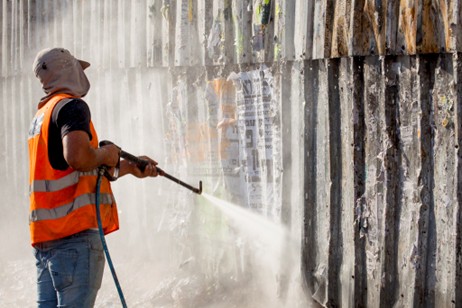
Because soft washing uses low pressure, it minimizes the risk of physical damage to siding, stucco, or wood. The cleaning agents target contaminants chemically rather than relying solely on force.
Soft washing detergents and biocides penetrate organic growth to kill spores and roots, preventing rapid regrowth. Abrasive methods might remove surface stains but leave organisms alive beneath the surface.
Soft washing uses less water overall than traditional pressure washing, making it a more environmentally friendly option.
Because soft washing removes contaminants thoroughly and disinfects the surface, homes stay cleaner longer, reducing the frequency of future cleaning.
Soft washing is less likely to damage nearby landscaping, windows, or delicate exterior features like trim and light fixtures.
While soft washing is ideal for delicate finishes, abrasive cleaning still plays an important role in exterior maintenance:
Concrete and Stone Surfaces: Driveways, patios, walkways, and brick often require more forceful cleaning to remove deep stains, oil, or embedded dirt.
Metal Surfaces: Rust removal or heavy corrosion may need mechanical abrasion.
Heavy Graffiti or Paint Removal: Abrasive methods like sandblasting or chemical stripping can be necessary when repainting or restoring surfaces.
Durable Roofs and Decking: Some roofing materials or composite decking can tolerate higher pressure washing to remove moss or mildew.
The key is to match the cleaning intensity to the surface tolerance, avoiding damage while achieving the desired result.
Physical Damage: Paint chips, wood splinters, stucco erosion, and cracked mortar can result from high-pressure water.
Water Intrusion: High pressure can force water into cracks and seams, leading to mold growth and structural rot.
Increased Maintenance Costs: Damage caused by abrasive cleaning often requires costly repairs or repainting.
Shortened Material Lifespan: Accelerated wear caused by abrasive methods can reduce the longevity of siding, stucco, or wood.
Because of the nuanced needs of different home exteriors, hiring a professional exterior cleaning service with expertise in various exterior cleaning techniques is highly recommended. Here’s why:
Proper Assessment: Experienced professionals assess your home’s surface type and condition to determine the safest and most effective cleaning method.
Correct Solutions: They use EPA-approved, biodegradable detergents formulated for specific materials, ensuring thorough cleaning without harsh chemicals.
Safe Equipment: Professionals utilize calibrated equipment that delivers controlled pressure for optimal results without damage.
Warranty and Insurance: Reputable companies offer warranties for their work and carry insurance to protect your property during cleaning.
Time and Cost Efficiency: Trained crews complete jobs faster with fewer risks, preventing costly errors from DIY attempts.
When it comes to protecting and beautifying your home, the cleaning method you choose matters. For delicate finishes like stucco, wood, and painted siding, soft washing offers a gentle yet highly effective way to eliminate dirt, mold, and algae without causing harm. Abrasive techniques may be appropriate for tougher surfaces but carry significant risks when misapplied.
By understanding the differences and trusting professional services, homeowners can preserve their investment, improve curb appeal, and enjoy a cleaner, healthier home exterior for years to come.







