
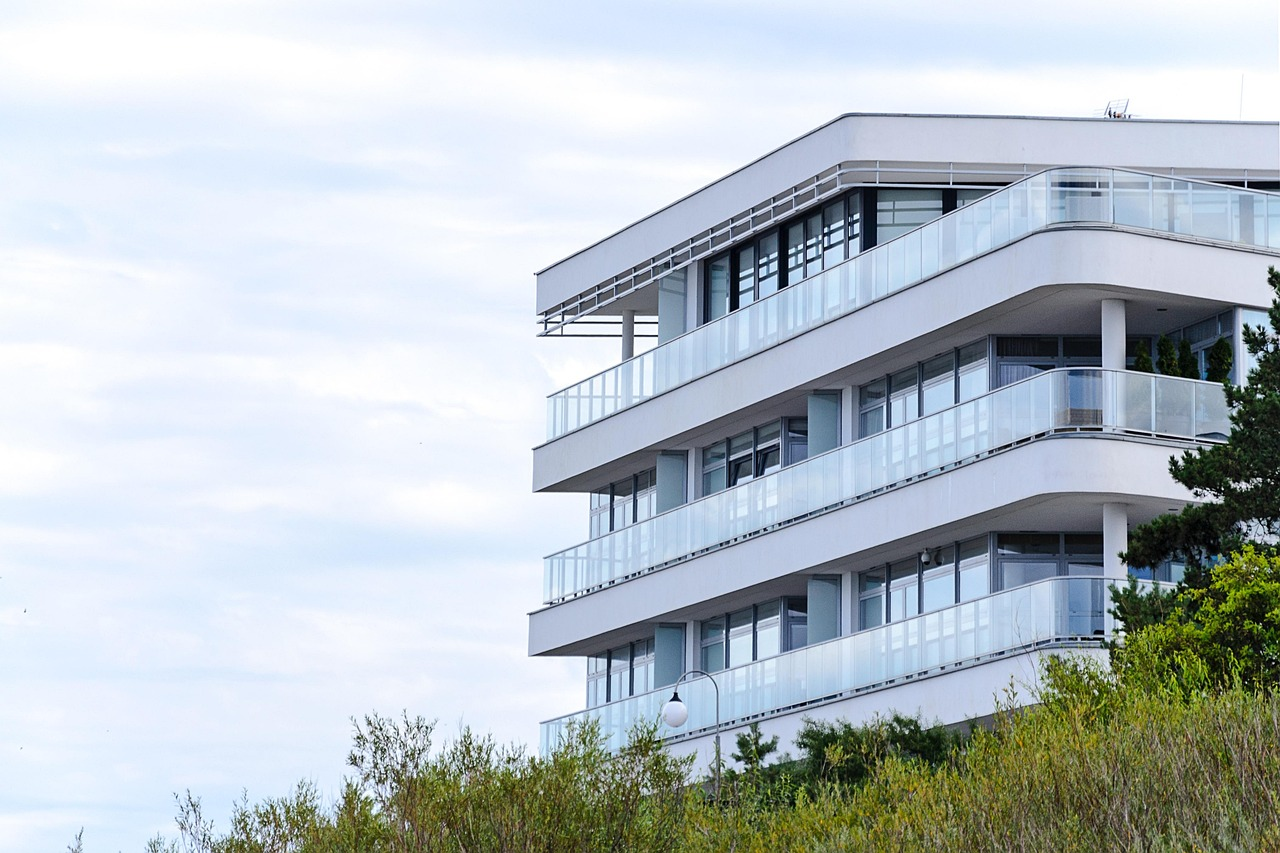
Image source: Pixabay
Ocean City boasts charm, salty air, and a vibrant weekend atmosphere. But owning property here involves more than just ocean views and quick access to the boardwalk.
Buying a condo comes with unique costs, risks, and responsibilities that differ from those of single-family homes. Factors such as flooding, short-term rentals, and homeowners association rules can impact your lifestyle and finances.
Before signing anything, here is what you should understand to make a smart, confident choice.
You would first want to review the HOA’s governing documents, including CC&Rs, bylaws, and budget reports. Those outline what you can and cannot do, from pet ownership to exterior decor, and how disputes are handled.
Moreover, ask about monthly dues and what they cover. In Ocean City, HOAs typically include trash, water, landscaping, and exterior upkeep. Costs vary widely, especially in buildings with pools, elevators, or private beach access.
Special assessment also needs attention. These are one-time charges owners pay when reserve funds fall short. Common triggers include roof replacements, seawall repairs, or unexpected storm damage.
Oceanfront condos bring scenic views but also high exposure to coastal flooding. FEMA maps determine whether the property sits in a high-risk zone, which impacts your insurance premiums and mortgage requirements.
Federal law requires flood insurance in high-risk zones when using federally backed loans. Even in moderate-risk areas, some lenders demand coverage. Condo associations may carry a master flood policy, but it might not cover your unit’s interior.
A condo insurance policy usually excludes flood damage unless you add specific riders. Always verify what's included and what you'll need to buy separately, especially for ground-floor or bay-facing units.
Ocean City generates steady rental income during the peak season, but not every condo allows short-term stays. Many HOAs enforce minimum rental periods. Some set it at seven nights, others require thirty.
Restrictions aim to reduce noise, crowding, and parking issues. They also help preserve property values and keep year-round residents satisfied. Non-compliance can result in fines or lawsuits, particularly in buildings with strict enforcement policies.
HOAs may require owners to register tenants, pay fees, or use specific platforms. It is best to review the rules up front if you plan to rent out your unit for extra income.
Not every repair falls under your control. Condo buildings often split responsibilities between owners and the HOA, which can become unclear without clear documentation. Interior issues, such as plumbing leaks or HVAC failures, may still be your responsibility, even if they occur in shared walls.
HOAs usually handle roofs, siding, stairwells, and landscaping. However, if damage spreads into your unit, gray areas emerge. That’s where the condo declaration comes into play, defining maintenance boundaries.
Owners should check how maintenance is handled during emergencies or when upgrades are planned. Costs can shift quickly when shared infrastructure affects multiple units simultaneously.
A healthy reserve fund signals long-term stability. It covers major expenses like roof replacement, elevator repairs, or seawall reinforcement without draining owners through special assessments. Conversely, underfunded reserves raise red flags, especially in older buildings near the coast.
Typically, ask for the most recent reserve study. That report shows the current fund balance, projected costs, and timelines for future projects. It’s one of the best tools for judging financial health.
Past repairs also reveal how proactive the HOA is. Delayed maintenance on stucco, balconies, or drainage can cause expensive damage and insurance complications down the line.
Many condo buyers tend to ignore what’s happening beyond the building itself. Zoning shifts or redevelopment projects nearby can change the feel of the neighborhood fast. A quiet block today might sit next to a high-rise hotel tomorrow.
Check with the town’s planning office or zoning board for updates. Public records reveal upcoming developments, zoning variances, or coastal setback revisions that could impact traffic, views, or noise.
Long-term construction can also disrupt access or lower short-term rental appeal. Even infrastructure upgrades, like sewer or utility work, affect daily living and property value in subtle but significant ways.
Condo ownership at the shore runs deeper than location and square footage. What looks like a weekend retreat can shift fast with a surprise repair bill, rising insurance, or shifting HOA rules.
Due diligence is not just smart, but survival. It is advisable to talk to owners, read the fine print, and walk the property on a rainy day. The details you catch now can determine what you’ll face next.







