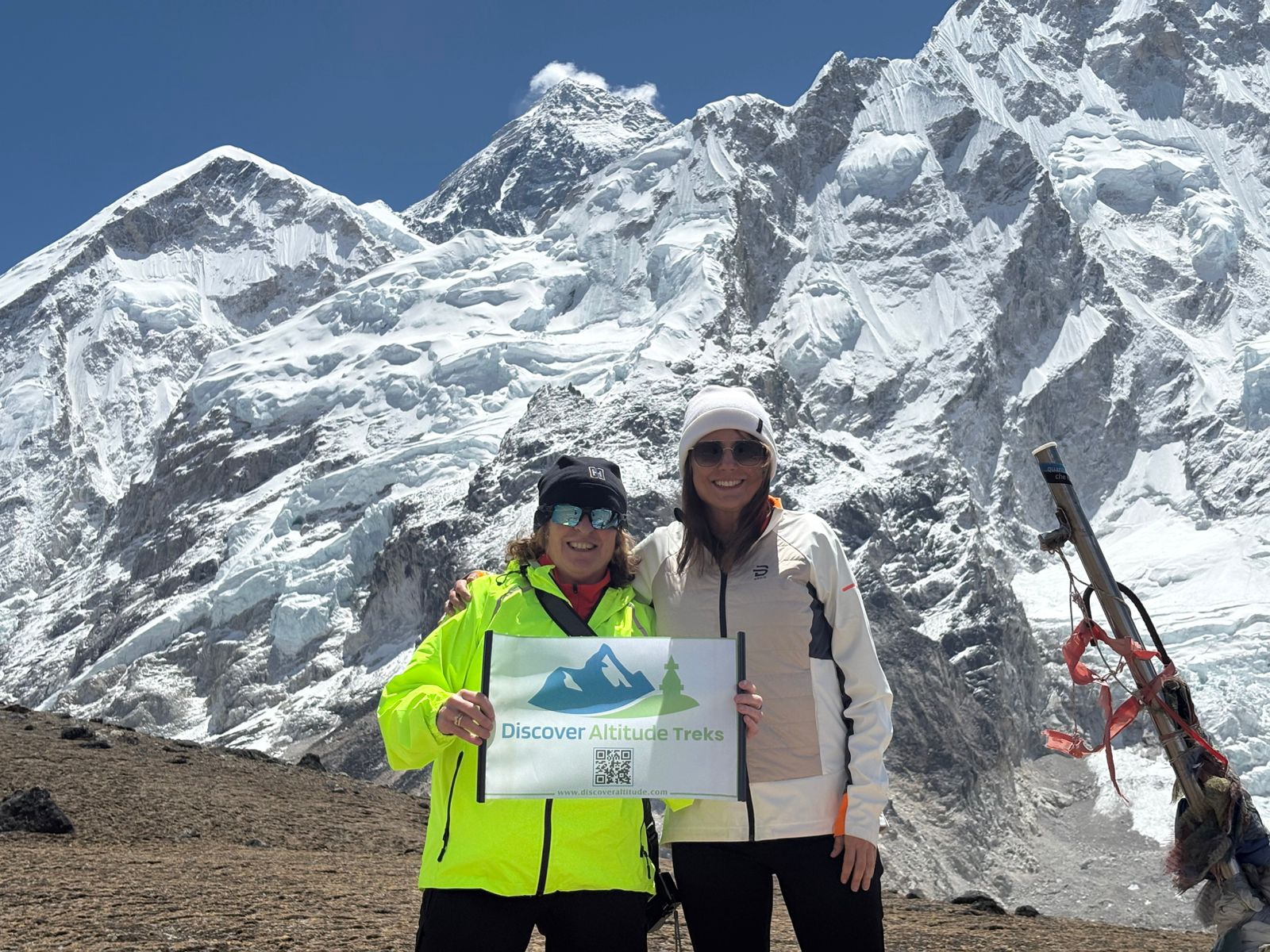
The Everest region in Nepal is home to one of the most iconic trekking experiences on Earth—the Everest Base Camp (EBC) trek. Thousands of adventurers from across the world dream of setting foot at the base of the world’s tallest mountain, Mount Everest (8,848.86 meters). But did you know there are three distinct ways to experience this once-in-a-lifetime journey? You can go the classic way, opt for a quicker exit by helicopter, or indulge in luxury every step of the way.
In this article, we’ll break down the three main ways to do the Everest Base Camp trek:
- Everest Base Camp Trek (Classic)
- Everest Base Camp Trekking with Helicopter Return
- Everest Base Camp Luxury Trek
Each route offers unique experiences, and understanding their features, costs, challenges, and comforts can help you choose the best option for your adventure.
Everest Base Camp Trek: The Classic Himalayan Journey
The Everest Base Camp Trek is a 12–14 day journey that takes trekkers through the heart of the Khumbu region. It starts with a scenic flight from Kathmandu to Lukla, one of the most thrilling airports in the world. From Lukla, trekkers begin their gradual ascent to the base of Mount Everest, passing through Namche Bazaar, Tengboche, Dingboche, Lobuche, and Gorakshep, before reaching Everest Base Camp at 5,364 meters.
Key Highlights:
- Iconic landmarks: Namche Bazaar, Tengboche Monastery, Khumbu Glacier, and Kala Patthar (5,545 meters), a popular viewpoint.
- Cultural exposure: Interactions with Sherpa communities and immersion in Tibetan-Buddhist culture.
- Epic scenery: Constant views of snow-capped peaks like Everest, Lhotse, Nuptse, Ama Dablam, and Thamserku.
Duration:
- Typically 12 to 14 days, including acclimatization days.
Difficulty:
- Moderate to challenging due to the high altitude and long walking hours (5–7 hours/day).
Accommodation:
- Teahouses/lodges with basic but comfortable amenities such as twin-sharing rooms, simple meals, and communal dining areas.
Cost:
- Ranges from $1450 to $1750, depending on services, season, and guide/porter support.
Best Time to Trek:
- Spring (March–May) and Autumn (September–November) for clear skies and favorable conditions.
Ideal For:
- Trekkers seeking a traditional adventure with a full cultural and physical experience.
Everest Base Camp Trek with Helicopter Return: Trek Up, Fly Down
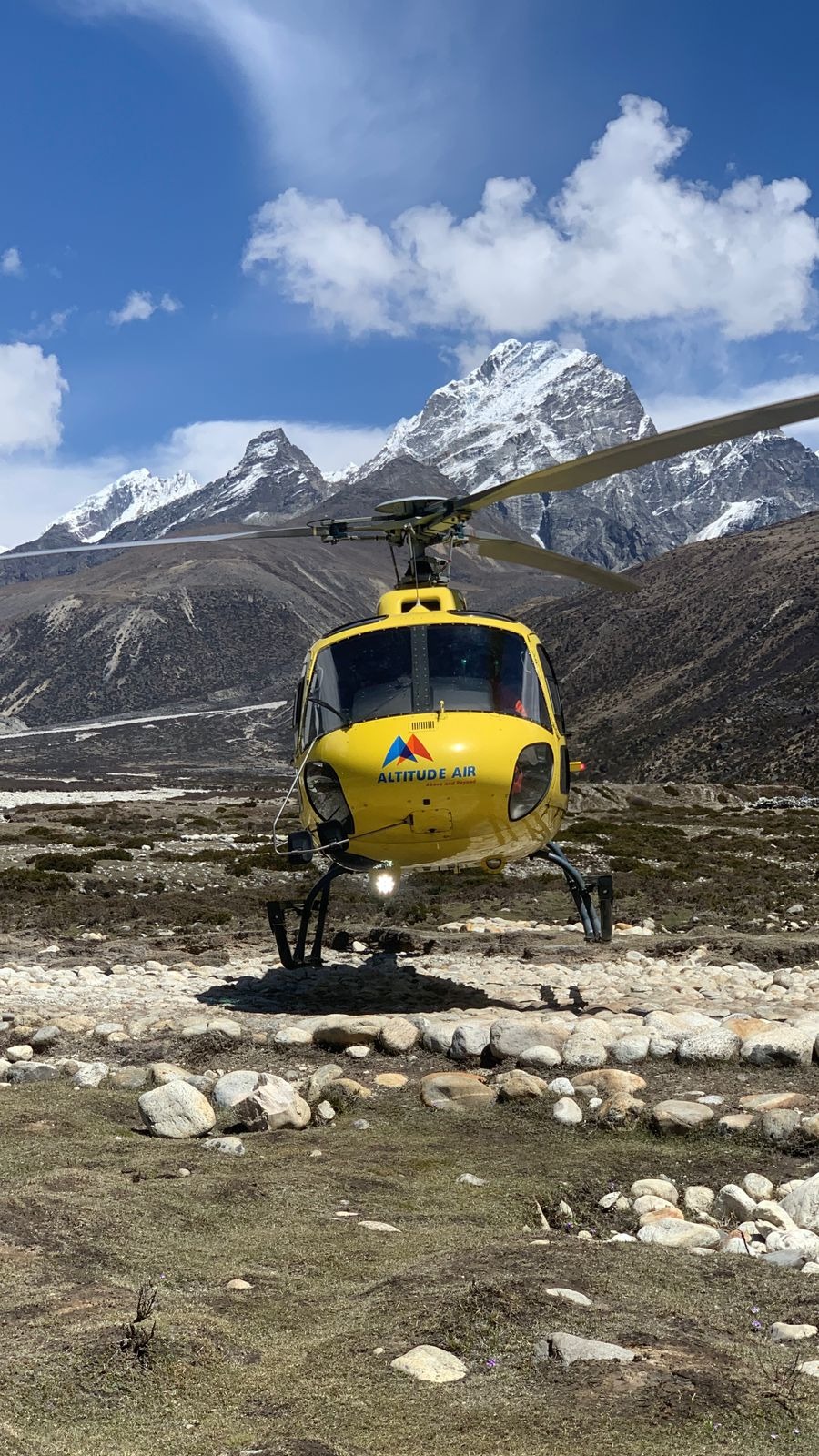
For those who want to enjoy the classic Everest Base Camp trek without repeating the same trail on the way back, the Everest Base Camp Trek with Helicopter Return is a perfect compromise. This itinerary typically follows the same ascending route as the classic trek, but instead of trekking back from Gorak Shep or Pheriche to Lukla, trekkers board a scenic helicopter flight back to Kathmandu or Lukla.
Key Highlights:
- All the benefits of the classic trek, plus:
- A breathtaking helicopter flight over the Himalayas.
- Saves 3 to 4 days of walking on the return journey.
- Minimizes fatigue and reduces risk of altitude-related problems on the descent.
Duration:
- Around 9 to 11 days, depending on your pace and acclimatization needs.
Difficulty:
- Still moderate to challenging on the ascent, but less physically demanding overall due to no downhill trekking.
Accommodation:
- Standard teahouses, though some packages offer upgraded options.
Cost:
- Between $2550 to $3500, including the helicopter charter (price depends on sharing or private flight).
Best Time to Trek:
- Spring and autumn remain best, though winter (December–February) is also viable due to fewer trekkers and available helicopter access.
Ideal For:
- Trekkers with limited time, looking for convenience or a less strenuous return journey with a touch of luxury.
Everest Base Camp Luxury Trek: Comfort Meets Adventure
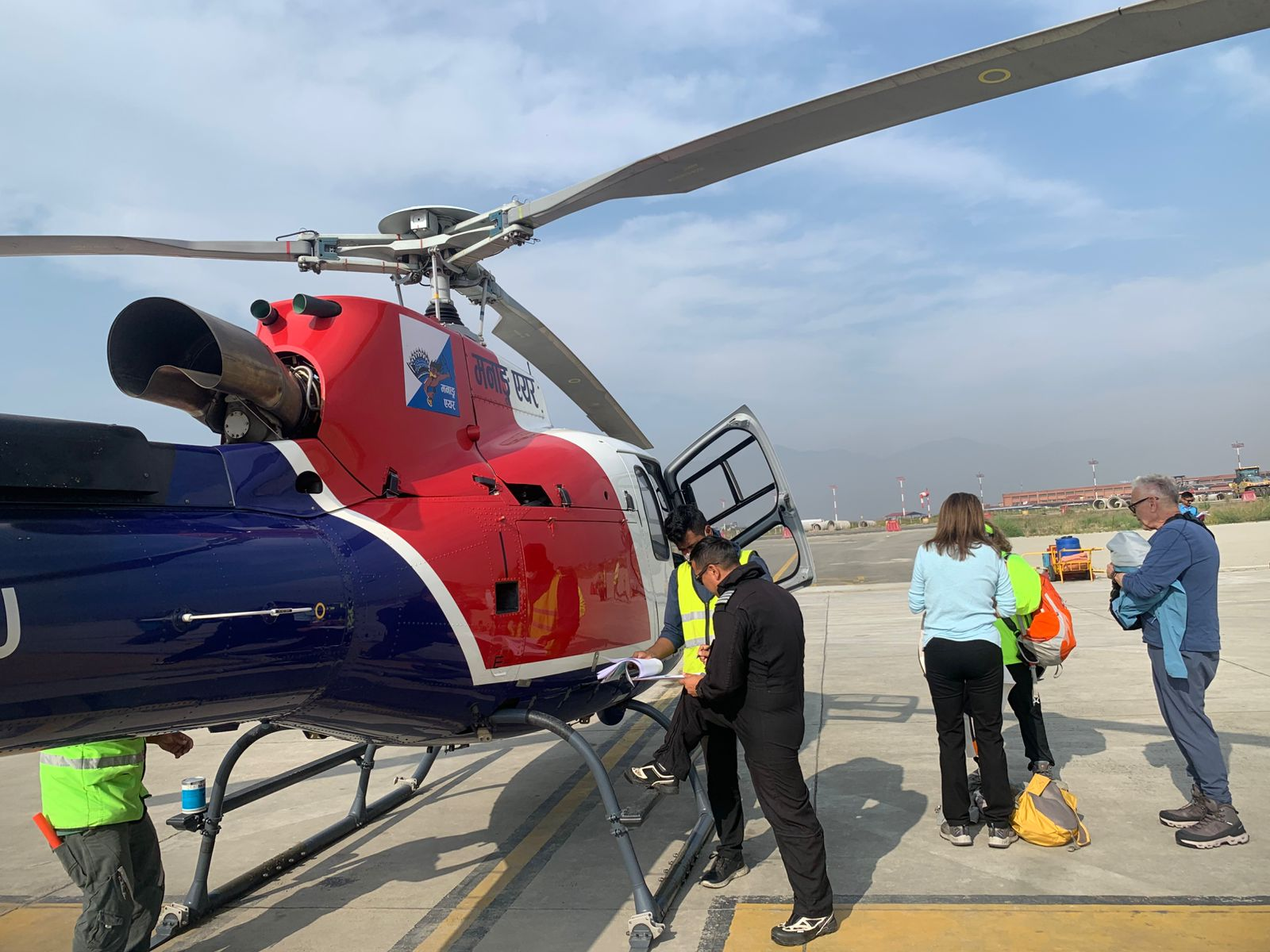
If you're eager to trek to Everest but want to do it in style and comfort, the Everest Base Camp Luxury Trek is designed for you. This version of the trek offers high-end services like luxury lodges, fine meals, private guides, and smooth travel logistics, all while following the same trekking route.
Key Highlights:
- Stay at luxury mountain lodges like Yeti Mountain Home and Everest Summit Lodge, offering heated rooms, en-suite bathrooms, Wi-Fi, and gourmet meals.
- Exceptional guide services, porters, and personalized attention.
- Private transfers and upgraded domestic flights (like helicopter to Lukla in some cases).
- Wellness experiences like spa treatments at certain lodges (e.g., at Namche Bazaar).
Duration:
- Usually 12 to 14 days, similar to the classic trek.
Difficulty:
- Moderate, made easier with shorter daily walks, comfortable rests, and expert support.
Accommodation:
- Luxury lodges up to Pangboche or Dingboche, with upgraded tea houses or tents further up.
Cost:
- Ranges from $4250 to $9900, depending on the level of service, hotel category, and private or group basis.
Best Time to Trek:
- Spring and autumn, when luxury lodges are fully operational.
Ideal For:
- Couples, families, honeymooners, corporate clients, or anyone seeking a premium Himalayan adventure.
Key Differences at a Glance
Feature | Classic EBC Trek | EBC Trek + Helicopter Return
| EBC Luxury Trek |
Duration | 12–14 days | 9–11 days | 12–14 days |
Return | Trek down | Helicopter flight | Trek or optional heli |
Cost | $1450 to $1750 | $2550 to $3500 | $4250 to $9900 |
Accommodation | Basic teahouses | Teahouses | Luxury lodges + deluxe teahouses |
Comfort Level | Moderate | Moderate + heli comfort | High |
Physical Demand | High | Medium-high | Medium |
Unique Feature | Full trail immersion | Heli escape & aerial view | Comfort-focused luxury |
Best For | Budget trekkers & purists | Time-limited adventurers | Luxury seekers |
Cultural and Scenic Richness in All Versions
No matter which version you choose, you will experience:
- Sagarmatha National Park, a UNESCO World Heritage Site
- Sherpa hospitality and ancient monasteries like Tengboche Monastery
- Suspension bridges, yak caravans, prayer flags, and mani stones
- Spectacular views of Everest, especially from Kala Patthar
- The sense of achievement and awe when standing at the base of the tallest mountain on Earth
Health and Safety Considerations
Trekking to high altitude involves certain risks, especially Acute Mountain Sickness (AMS). All versions of the EBC trek include acclimatization days, typically in Namche Bazaar and Dingboche. Some safety tips include:
- Hydrate well (3–4 liters/day).
- Ascend gradually and follow acclimatization schedules.
- Avoid alcohol or smoking during the trek.
- Consider taking Diamox (consult a doctor beforehand).
- Ensure proper travel insurance that covers high-altitude evacuation.
Helicopter return options and luxury packages often include on-call emergency services, adding an extra layer of safety.
Environmental and Ethical Trekking
Trekking responsibly is important. Consider these tips:
- Carry reusable water bottles and purification tablets instead of buying plastic bottles.
- Use eco-lodges and support local businesses.
- Respect Sherpa culture, dress modestly, and ask before taking photos.
- Tip your guides and porters fairly — they are the unsung heroes of your trek.
Final Thoughts: Which Everest Base Camp Trek is Right for You?
- If you want the most authentic, budget-friendly, and full adventure, go with the classic trek.
- If you are short on time or prefer to save energy on the way down, choose the EBC trek with helicopter return.
- If comfort, style, and premium services matter to you, the luxury trek offers the best of both worlds.
Whichever route you choose, one thing is certain—you’ll return home changed. The towering peaks, the humility of the Sherpa people, and the sheer scale of the journey make trekking to Everest Base Camp not just a vacation, but a deeply personal life experience.
Bonus Tip: Many trekkers who love the Everest region also consider other great Nepal adventures like the Manaslu Circuit Trek, a less crowded but equally stunning journey around Manaslu, the eighth-highest mountain in the world.
FAQs
Q1: Do I need previous trekking experience?
No, but a good fitness level and training (hiking, cardio, strength) are essential.
Q2: Is a guide mandatory?
Yes, as of recent regulations in Nepal, a licensed guide is required for all major treks including EBC.
Q3: How cold does it get?
Temperatures can drop to -10°C to -20°C at night at higher altitudes, especially in spring or autumn.
Q4: What permits are needed?
You need the Sagarmatha National Park Permit and Khumbu Pasang Lhamu Rural Municipality Permit. Your tour operator usually arranges this.
Q5: Can I charge my devices?
Yes, teahouses offer charging for a fee; luxury treks may include this as complimentary.








