Transforming an older space into a contemporary office combines the charm of the past with today's efficiency. Upfitting an older building requires a delicate balancing act, preserving its unique architectural elements while integrating modern office necessities. From initial assessments to the final decorative touches, each step demands careful planning and execution. Keep reading for guidance on how to upfit an older space into a pleasant and productive office environment.
Before any renovations commence, a thorough evaluation of the available space is fundamental. This assessment should consider the structural integrity, spatial layout, and specific historical elements that give the building its unique character. It's important to identify load-bearing walls and understand how the space's flow can support or hinder office activities. This preliminary assessment guides the direction of the process and helps establish a realistic budget.
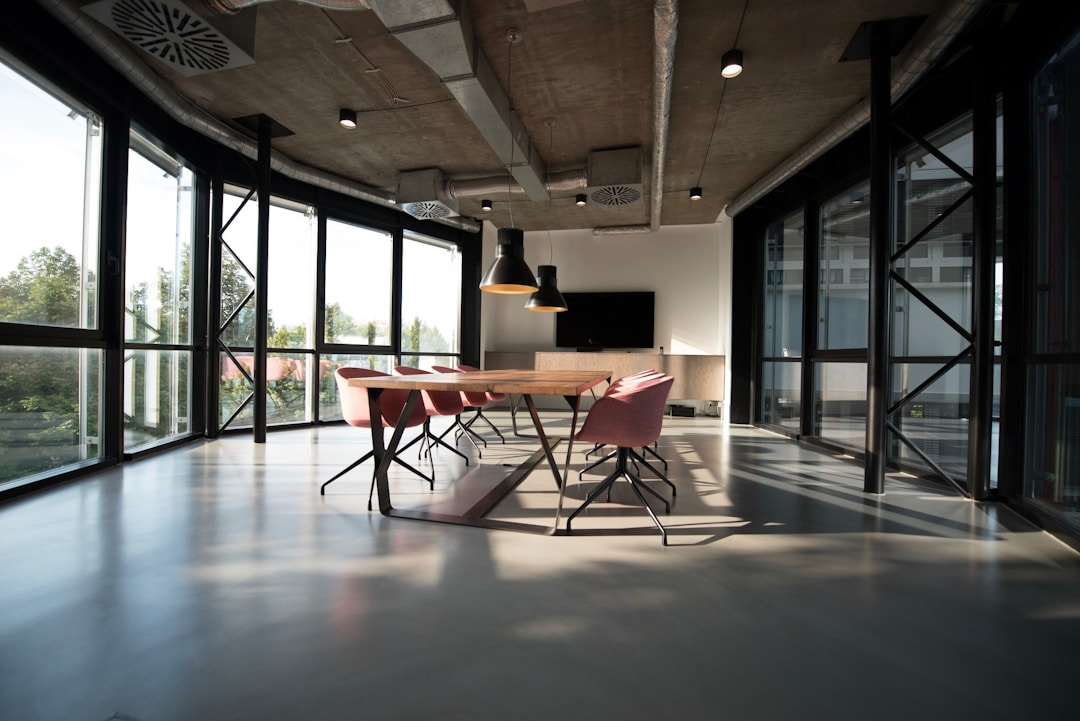
In addition to the physical structure, assessing natural light sources, ceiling heights, and existing fixtures will inform design decisions. For instance, large windows could dictate the placement of workstations to maximize light, while taller ceilings may offer opportunities for distinct lighting installations or lofted areas. The goal is to ensure these features enhance functionality rather than create obstacles.
Investigating the current state of the building's systems, such as electrical, plumbing, and HVAC, is also paramount. Outdated systems may require significant upgrades to comply with current building codes and to support modern office technology. This stage is where consulting professionals like Browning Heating & Air Conditioning in Gainesville, FL, for HVAC needs becomes essential.
Merging modern design with the historical charm of an older building can be a creative endeavor. Prioritize preserving distinguishing features such as crown moldings, hardwood floors, and exposed brickwork. These characteristics can serve as focal points around which contemporary elements are introduced. Use sleek, modern furniture and fixtures to contrast with and highlight these historical aspects.
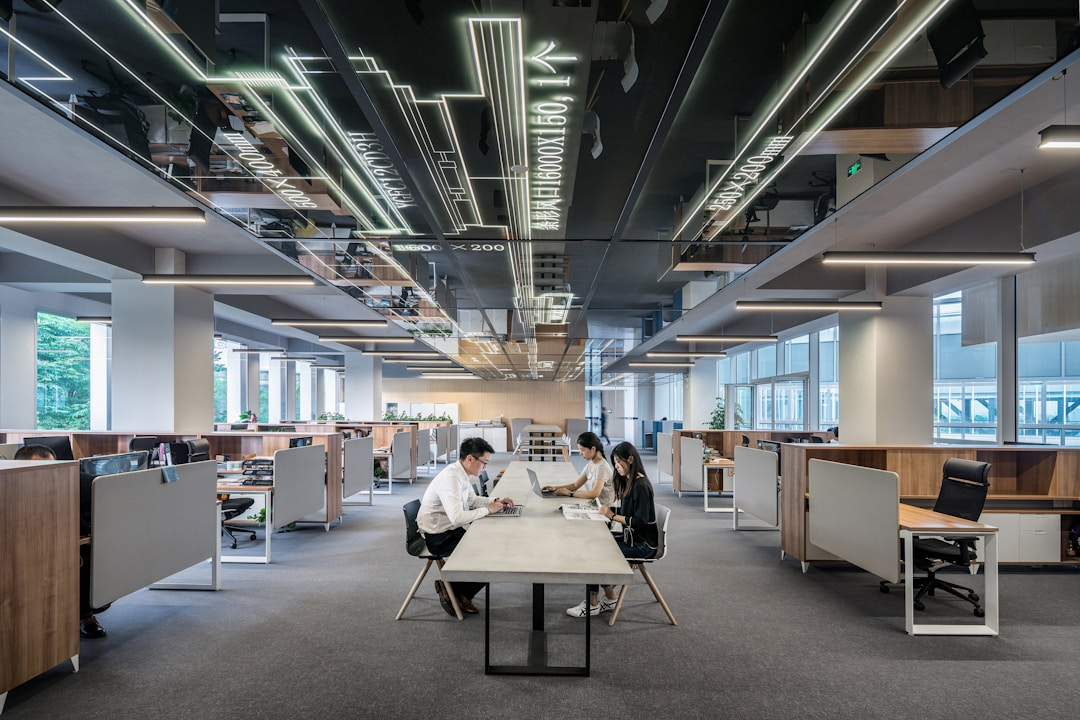
In spaces with high ceilings and large floor areas, consider installing glass partitions to create individual workspaces. This approach maintains an open feel while providing the necessary separation for concentrated work. Additionally, modern art pieces or striking light fixtures can complement the building's character, adding a fresh dynamic without overshadowing its originality.
When upgrading an older space, modernizing the electrical and plumbing frameworks is crucial to ensure safety and functionality. The electrical system in older buildings often requires rejuvenation to handle the power needs of current technology. Assess the capacity of the existing wiring and circuitry, and plan for adequate outlets and data ports to cater to equipment and devices crucial for office operations.
Updating the fire safety measures is another key aspect of the electrical and plumbing overhaul. Ensuring that modern fire alarm systems are in place is a matter of compliance and safety. Similarly, older buildings may lack comprehensive sprinkler systems, which are now often required for offices. The integration of these systems must be planned out to blend seamlessly with the building's architecture without compromising on safety. Alongside infrastructure upgrades, it’s also important to plan for everyday operational needs such as reliable printers and consumables, and many offices renovating older spaces choose to source toner and essential supplies from Supply Link USA to keep daily workflows running smoothly during and after the transition.
Natural light is a sought-after feature in office spaces for its ability to improve mood and productivity. Older buildings often have large windows that can provide ample daylight, reducing reliance on artificial lighting. Enhancing these natural light sources through strategic placement of mirrors or glass partitions can brighten workspaces and contribute to a more inviting atmosphere.
Where natural light is limited, the implementation of smart lighting systems can compensate. These systems offer the ability to adjust brightness and color temperature to mimic natural light conditions, which can help maintain circadian rhythms and reduce eye strain. Thoughtful lighting design that includes task lighting and ambient fixtures can produce a comfortable work environment while highlighting the office's architectural details.
Altogether, transforming an older space into a modern office environment requires a holistic approach that balances respect for historical elements with the demands of contemporary office design. By carefully assessing the building's potential, navigating updates to critical systems, and incorporating ergonomic furniture and lighting solutions, a character-filled yet efficient office space can emerge. Overall, the key to a successful upgrade lies in blending the charm of the old with the innovation of the new, creating a workspace that is both inspiring and functional.