
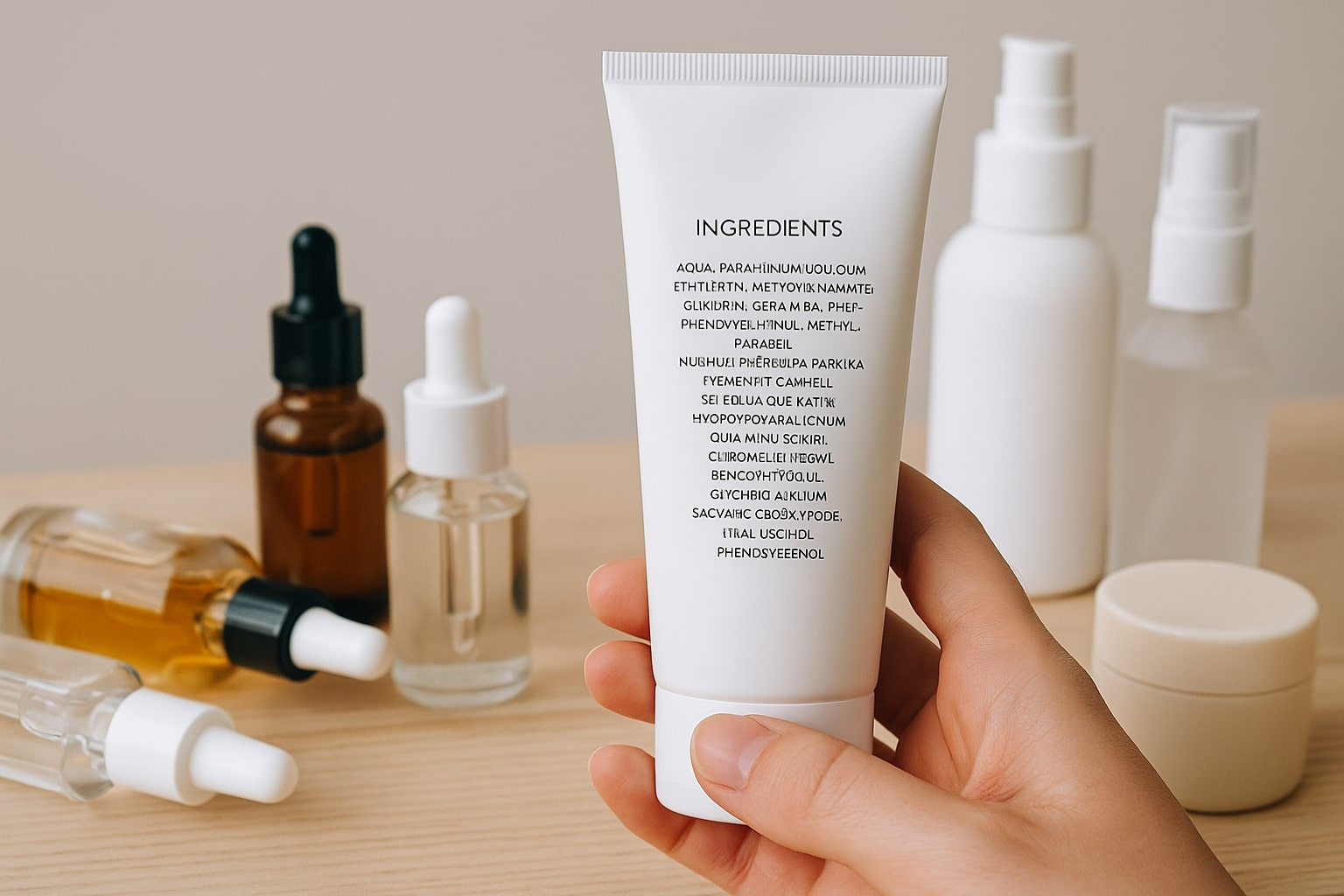
Ever flipped over your favorite lotion or instant wrinkle remover and felt like you needed a chemistry degree just to understand the ingredients? Same. One word that pops up more than it should is parabens. They’re in everything from moisturizers to makeup, but here’s the thing: just because they’re common doesn’t mean they’re harmless.
If you’ve heard the buzz about parabens but aren’t totally sure what they are or why they matter, you’re not alone. Let’s break it down in a way that actually makes sense — no fear-mongering, no fluff, just the facts you need to make smart, skin-friendly choices.
Parabens are a type of preservative. They’re added to skincare, haircare, and cosmetic products to prevent bacteria, mold, and yeast from growing, which sounds like a good thing, right? In theory, yes. But the issue isn’t that they exist — it’s how they behave once absorbed into your body.
Parabens are synthetic compounds derived from para-hydroxybenzoic acid. You’ll typically see them listed on ingredient labels as methylparaben, ethylparaben, propylparaben, or butylparaben — sometimes all at once. They’re popular because they’re cheap, effective, and extend a product’s shelf life like nobody’s business.
Here’s the catch: Parabens don’t just sit on your skin. They’re easily absorbed and have been found in urine, blood, and even breast tissue. And while they’re considered “low risk” in small amounts, most of us are using multiple paraben-containing products every day, which adds up fast.
So, why the sudden surge of paraben-free labels and brands proudly declaring they’re out? It comes down to growing concern around their potential role as endocrine disruptors — meaning they can mess with your hormones.
Parabens have a chemical structure that’s similar to estrogen, and some studies have shown they can mimic this hormone in the body. That might not sound like a big deal, but excess estrogen activity has been linked to things like reproductive issues, hormonal imbalances, and — in some studies — breast cancer. To be clear, the science is still evolving, but the pattern of concern is enough that many experts recommend avoiding parabens when possible, especially if you're already managing hormonal shifts (like during menopause or postpartum).
And here's another thing: The vulva — which already houses some of the most sensitive skin on the body — doesn’t respond well to common irritants. Using paraben-containing washes, moisturizers, or creams near this area could increase the risk of irritation or imbalance, especially if you’re using multiple products at once.
In other words, while parabens technically “work” as preservatives, they’re doing more than just keeping your lotion fresh. And that’s exactly why people are ditching them in favor of safer, better-researched alternatives.
While “clean,” “natural,” and “non-toxic” are all over beauty packaging these days, they aren’t regulated terms. That means any brand can slap them on a label, even if the product still contains ingredients like parabens.
In fact, plenty of products marketed as “green” or “safe” still use synthetic preservatives. Why? Because they work, and because using those feel-good marketing terms helps products sell. Without clear regulations, it’s easy for brands to blur the lines between what sounds healthy and what actually is.
Some formulations may include naturally derived ingredients but still rely on parabens to extend shelf life. Others might use plant-based actives but skip over safer preservative systems entirely, which can increase the risk of bacteria or mold in the product. It’s a delicate balance between safety and shelf stability, but the word “natural” isn’t a guarantee of either.
That’s why reading the ingredient list is more important than reading the front of the bottle. If you're trying to avoid parabens, look for them by name and don’t assume that a clean-looking label means they're not there.
At the end of the day, “clean” doesn’t always mean cleaner. It’s not about the trendiest terms — it’s about transparency, testing, and making informed decisions about what goes on your skin.
Parabens are synthetic preservatives designed to keep products shelf-stable, but they have potential downsides. From hormonal disruption to irritation, especially on sensitive skin, they’ve raised enough red flags to make many people think twice.
And while labels like “clean” or “natural” might sound reassuring, they don’t always mean what you think. To truly know if a product is paraben-free, don’t rely on branding — check the actual ingredient list. If you spot words like methylparaben or butylparaben, you’ve got your answer.
Need a quick hack? Take a photo of the common paraben names and keep it on your phone for shopping. And if a brand doesn’t clearly state what they use — ask. The ones worth trusting won’t make you dig for answers.
Smarter choices start with better info. You’ve got both now.







