
In the fast-paced world of manufacturing, keeping machines humming along smoothly isn’t just a nice-to-have—it’s essential. That’s where predictive maintenance is stepping up, especially when it comes to laser welding machines. Instead of waiting for something to break (and scrambling to fix it), manufacturers are using smart data and analytics to keep tabs on everything from laser performance to cooling systems. The goal? Spot issues before they snowball into costly problems.
And the payoff is hard to ignore: less downtime, fewer surprise repair bills, and better weld quality. But it’s not just about patching things up in time—it’s also about driving overall productivity and efficiency. As the tech gets better and more refined, there’s a real opportunity here to rethink how your production line runs.
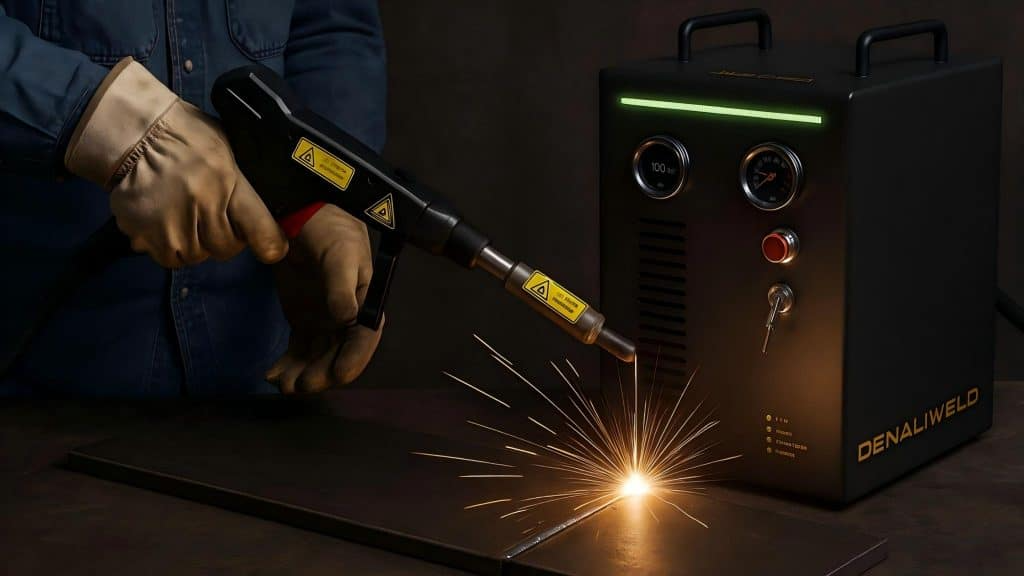
Let’s talk about why predictive maintenance really matters for an industrial laser welder. In short, it helps keep nasty surprises at bay. Equipment failures can grind production to a halt, and no one wants that. With predictive tools, you can monitor the laser source, optics, cooling systems—you name it—before things go sideways.
A few big wins from this approach:
In my experience, simply watching for patterns in machine behavior can be incredibly revealing. It’s a smarter way to manage operations. Curious how others are doing it? It might be worth taking a peek at different strategies to see what clicks for your setup.
Predictive maintenance doesn’t run on good intentions—it’s built on a backbone of solid tech. For industrial laser welders, a few key technologies are doing the heavy lifting to keep things on track.
Think of IoT as a web of smart devices chatting with each other, collecting data nonstop.
IoT sensors track:
What’s cool here is the visibility. When you’ve got data flowing in real-time, you’re not flying blind. You can spot irregularities and act before a full-blown failure. It’s kind of like having your machine whisper, “Hey, something feels off.”
Here’s where the brains of the operation come in. Machine learning sifts through mountains of data to find patterns—even subtle ones you’d miss on your own.
Some things it’s great at:
It’s not magic, though. Interpreting all this data can get tricky, and sometimes the models need fine-tuning. But when it works, it’s a real game changer.
AI ties everything together by offering smart tools to handle the messy stuff.
You’ll see it used for:
Imagine your system knowing exactly when your industrial laser welder might need attention and lining up a fix before you even realize there’s a problem. Pretty slick, right?
So, how do you actually bring predictive maintenance into your workflow? There’s a bit of a roadmap here for rolling it out effectively.
First up, gather data from critical parts—your laser head, temperature monitors, cooling lines, etc. Once that raw data’s in hand, you’ve got to clean it up. Noisy or incomplete data can throw things off, so filtering is key.
Next comes choosing the right model. Whether it’s regression or a fancy neural net, the model needs a solid foundation—historical data helps here. Train it well, and then validate to make sure it’s not just guessing.
Here’s where things get interactive. Real-time systems keep an eye on your industrial laser welder around the clock. When a metric crosses a danger line—say the cooling system’s getting too hot—you get pinged right away. That heads-up lets you act fast and prevent bigger messes.
Dialing in these steps can really elevate how you manage your equipment over the long haul.
There’s a lot to gain when predictive maintenance is done right, especially with something as precise and critical as an industrial laser welder.
With early warnings, you can plan repairs without halting everything. No more “drop everything” moments.
Nipping problems in the bud is a lot cheaper than waiting until something breaks completely.
If your machine's running like clockwork, you’ll see it in the welds—cleaner, more accurate, more consistent.
Keeping components healthy means they don’t wear out as quickly. That’s a win for your budget and production reliability.
It’s not just about fixing things—it’s about understanding your system. Data trends can tell you when something’s beginning to go awry, giving you a powerful edge.
A solid predictive maintenance setup can make your operations more nimble, more resilient. If you’ve tried it already, you probably know what I mean.
Of course, no system’s perfect. Rolling out predictive maintenance comes with a few bumps in the road, especially for industrial laser welders.
Thinking through these challenges early can save a lot of headaches later. It’s all about planning, communication, and knowing what you’re getting into.
Looking ahead, predictive maintenance for industrial laser welders isn’t going anywhere—it’s only going to become more essential. Brands like Denaliweld are already pushing the envelope with smarter, more connected systems, and there’s plenty more on the horizon.
Here’s what we might see:
I’m curious to see what new tools or approaches pop up next. Will we reach a point where systems can auto-correct themselves before anyone notices something’s off? Who knows—but the direction is clear.
At the end of the day, predictive maintenance is reshaping how manufacturers handle industrial laser welders. By turning raw data into actionable insights, it helps reduce downtime, control repair costs, improve weld quality, and keep equipment ticking longer.
Sure, there are some hurdles—like training staff or integrating with older systems—but the long-term advantages are hard to ignore. As predictive tech continues to evolve, manufacturers who embrace it early are likely to see smoother operations and fewer unexpected hiccups. The question isn’t if you should adopt it—it’s when.







