
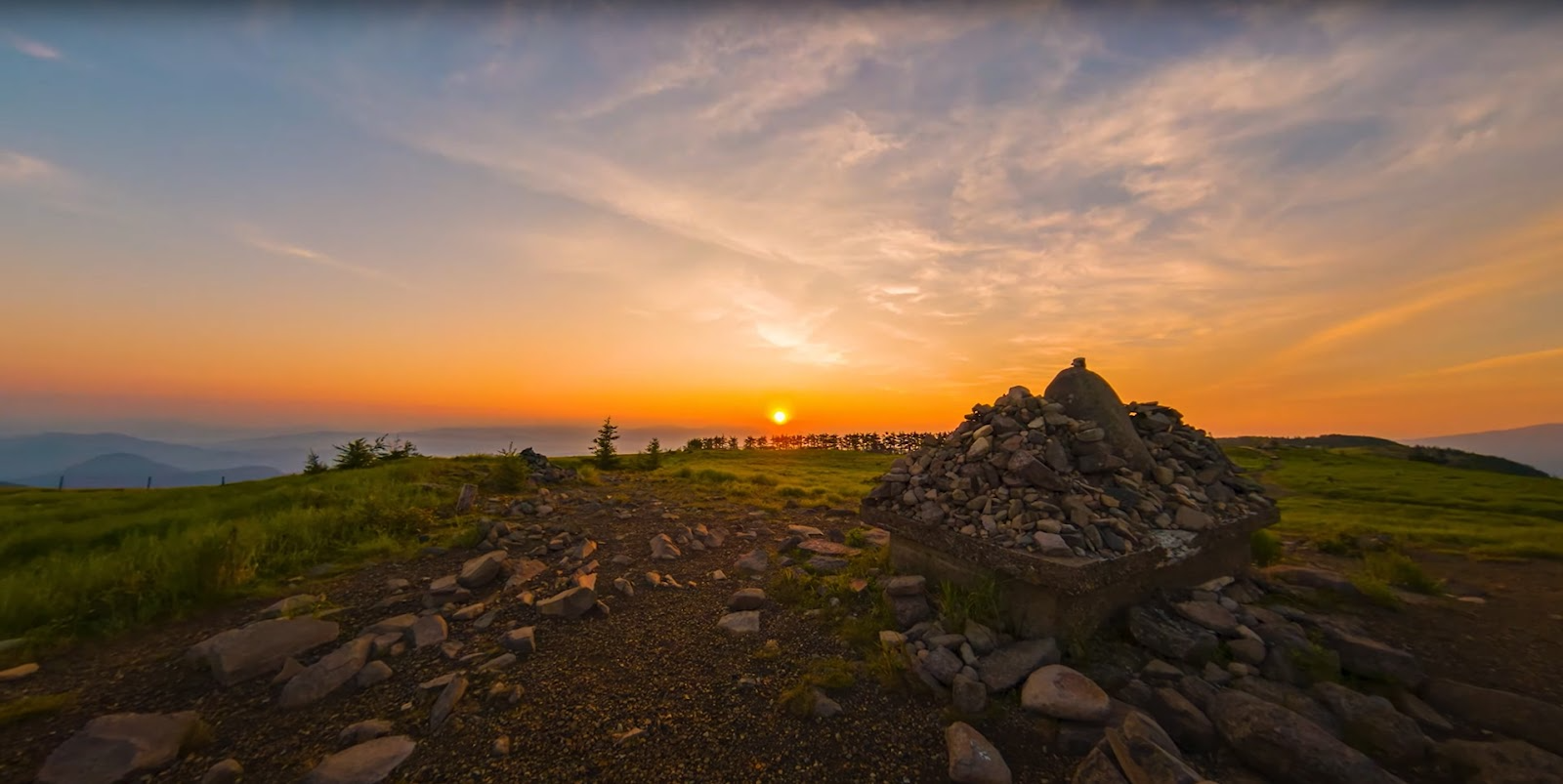
Capturing morning-to-night transitions in a single shoot is an art that combines creativity, timing, and technical skill. Whether you're a seasoned photographer or just starting out, mastering this technique allows you to tell a complete story through light and atmosphere. It's all about seizing the beauty of changing hues, shadows, and moods as the day unfolds.
In this article, you’ll discover essential tips to plan your shoot, choose the right gear, and adapt to shifting lighting conditions. From golden hour to twilight, you’ll learn how to capture seamless transitions that elevate your photography and leave a lasting impression.
Morning-to-night photography captures a full spectrum of light and mood changes. This approach requires attention to timing, ambiance, and lighting dynamics. For those seeking a reliable and immersive way to document these transitions on the go, Insta360 offers a dynamic solution. Its ability to shoot 360-degree footage and adapt to various lighting conditions makes it an ideal companion for time-lapse or mobile photography sessions.
This technique involves capturing multiple phases of natural light, starting with the soft pastels of dawn and ending with the deep blues or blacks of night. The gradual shifts create opportunities to photograph contrasting atmospheres in a single session.
These transitions demand adaptability to changing settings. For example, in the early morning, low-intensity light requires higher ISO or slower shutter speeds, while midday brightness may benefit from narrower apertures.
When considering gear that performs well in all lighting environments, look for the best action cam in 2025, something lightweight, with excellent low-light capability and stabilization to ensure smooth, high-quality footage from sunrise to sunset.
Light transitions add emotional depth to your images. Early light brings serenity, while mid-afternoon offers sharp detail, and dusk is ideal for dramatic silhouettes or long exposures.
Precise timing enhances storytelling. Utilizing tools like sunlight charts or weather apps helps you plan for each phase of light, ensuring a cohesive visual narrative.
Careful planning is indispensable for capturing fluid transitions from morning to night. Each decision, from location to timing, plays a role in achieving a seamless visual narrative.
Select a spot where you can capture clear changes in light. Open landscapes, such as fields, beaches, or urban rooftops, allow unobstructed views of the sky. Ensure a consistent backdrop to unify the shots throughout the day. Avoid locations where buildings or objects might block the horizon at critical moments.
Use a camera with a wide dynamic range to handle varying light levels. Insta360 is known for its adaptive image processing and flexibility across lighting conditions, making it a strong choice for dynamic environments. A set of interchangeable lenses lets you adapt to shifts in distance and focus needs. Carry neutral density filters to control exposure during the day and color gels to add depth to twilight or night scenes. Keep portable lighting handy if natural light alone isn’t sufficient.
Schedule your shoot to align with natural light shifts. Capture the warm hues of sunrise, the midday brightness, and the cooler tones of twilight. To mimic nighttime during daylight, use day-for-night techniques, including reduced exposure and specific filters. Time each frame to reflect the mood corresponding to the phase of light you're shooting.
Managing transitions from morning to night requires adapting to changing light and using precise techniques. Balance creativity with technical adjustments for consistently strong results.
Capture light diversity by photographing during distinct times of day. Morning offers soft colors, midday provides sharper contrasts, and twilight introduces nuanced tones.
Incorporate shadows to add complexity and depth. Position subjects or objects to enhance shadow play, creating visually compelling layers.
Focus on the golden hour and blue hour as ideal opportunities. Utilize warm, golden hues at sunrise and sunset, and cooler, bluish tones during twilight for dynamic lighting.
Integrate neutral density filters to evenly manage light during bright conditions. These filters block light, enabling longer exposures without overexposing images during midday brightness.
Use varying densities based on intensity. A stronger filter works well for harsh sunlight, while a lighter one suffices earlier or later when light is less intense.
Blend filter use with other settings. Pair with adjusted shutter speeds or apertures to maintain clarity and consistency throughout a lighting shift.
Control aperture and shutter speed as lighting changes. A wider aperture enhances exposure in dark settings, while faster shutter speeds mitigate brightness in full sun.
Adjust ISO strategically to balance light and minimize grain. Lower ISO reduces potential noise in daylight, while moderate increases help in dim conditions.
Experiment with exposure bracketing. Shoot multiple frames at varied settings to ensure optimal shadows, midtones, and highlights in transitions.
Post-processing helps refine your captured transitions, making them visually cohesive and impactful. Editing enhances both the flow and the technical quality of your visuals.
Create smooth transitions by aligning frames carefully. In videos, use opacity adjustments and keyframes to blend scenes naturally. Reduce abrupt shifts when moving from day to night by gradually altering lighting elements.
For photos, apply fading effects between images to maintain consistency. Layering images with gradual opacity changes works well for achieving fluid visual narratives. Sequence adjustments can also help align the time progression visually.
Adjust color tones to match shifts in lighting. Modify settings such as temperature and saturation to differentiate morning and night palettes. Cooler tones work for evening, while warmer hues suit morning scenes.
Refine contrast levels to emphasize day-to-night differences. Boost highlights for brighter areas and deepen shadows for nighttime shots. Careful exposure balancing ensures noticeable, yet smooth transitions between lighting phases.
Capturing morning-to-night transitions presents specific hurdles, particularly with changing light intensities and exposure control. Adapting to natural shifts in light is key to maintaining consistency across your images.
Shoot in RAW format for post-processing flexibility. Manual adjustments to aperture and shutter speed allow you to respond to light variations effectively. Stabilize your shots using a tripod for smoother results, especially during low light.
Bracket exposures to capture multiple settings, which you can merge later for balanced layers. During transitions, continuously monitor how light affects shadows and highlights, adjusting settings to ensure dynamic accuracy.
Leverage HDR techniques to blend exposures into a balanced frame. Golden hour provides subtle light, reducing extremes in brightness or shadow. Regularly check the histogram to monitor exposure levels and fine-tune settings.
Plan shots during gradual light changes, such as dusk or dawn, for better control. Use controlled framing to manage natural overlighting, like avoiding direct sunlight in your composition during midday hours.
Capturing the transition from morning to night in a single shoot is a rewarding challenge that pushes your creativity and technical expertise. By mastering light dynamics, timing, and thoughtful planning, you can create visuals that tell a compelling story through the natural progression of the day.
With the right tools, techniques, and attention to detail, you’ll be able to produce stunning images that highlight the beauty of each phase of light. Whether it’s the serenity of dawn or the drama of twilight, your ability to adapt and refine your approach will set your work apart.







