
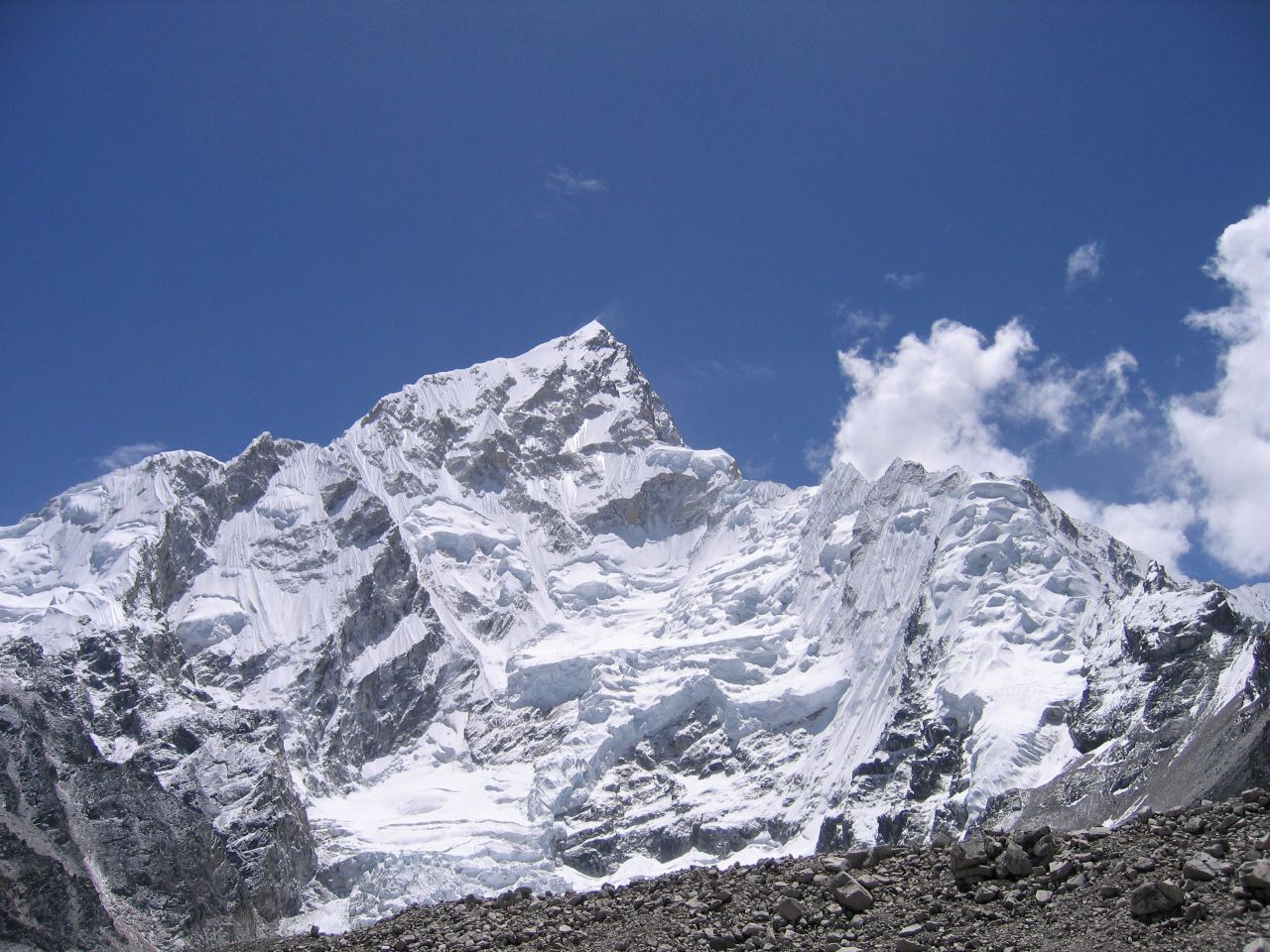
Everest Region stands as an adventure land with multiple trekking trails and enormous beautiful places to explore. With its diverse nature and wide geography, it opens the path to the several trekking trails paving the way to the massive adventure.
Among them, Everest Base Camp Trek is a very picked topic along with the Everest View Trek, Everest Heli Trek, Short Everest Base Camp Trekking, and many more. But amazingly, all of the routes for these treks are paved with the trails of the Everest Base Camp trek.
The trekking activities inside the Everest Region also, mean the journey over the high altitude along the diverse adventure and the massive exploration of natural features. And with the altitude, other attaching factors come along the way making the experience a bit concerning other than the joyful journey. It brings factors such as low atmospheric pressure and lower presence of oxygen which lead to or cause the vital forms of altitude sickness.
Overall acclimatization during the journey to Everest Base Camp becomes a necessary step as well as an important way to prevent the person from altitude sickness. It can be called a precaution for mountain sickness by adapting to the new altitude of its environment.
So, here we are to provide you with the necessity and the importance of acclimatization at Everest Base Camp. We will provide you with some of the factors and precautions to give you a better insight into the importance of acclimatization and its necessity during the journey in such high altitude areas like the Everest Region. Stick here to get detailed information about acclimatization and its importance in the higher altitude.
Factors Affecting the Altitude Sickness
Altitude
We mentioned it as the main factor as it is the main root of the altitude sickness during the Everest Base Camp Trek. The higher the altitude gets the lower the atmospheric pressures, which means simply the low presence of oxygen. It causes you to have difficulty in respiration or you need to adapt to the new atmospheric environment through acclimatization with a definite altitude as relevant for the next gain of altitude during the journey. Generally, altitude sickness gets into effect after the gain of altitude of 3000m from the sea level but can happen once crossed over the altitude of 2500m of elevation from the sea level.
Low Atmospheric Pressure
The higher the altitude gets the lower the atmospheric pressure becomes. It means the decline in the presence of oxygen which definitely is directly associated with the cause of altitude sickness. It is usually caused by activities that need excessive or more respiration in the low presence of oxygen. And the trail of Everest Base Camp is drawn over the upper parts of the Himalayas which makes it more relevant during the journey.
Rate Of Ascent
It is also the factor which causes the altitude sickness and makes the acclimatization more important. The sudden gain in altitude makes it more offering during the ascending journey over different terrains. Sometimes the single-day journey consists of a gain of more than 1000m of altitude. The sudden change and the faster gain of altitude also make it more effective.
Adaptation
The above factor of rate of ascent is similar to this factor. The faster rate of change in altitude may make it harder for your body to adapt new environment. It also includes the fast phase changing in the atmospheric pressure with the changing of altitude. All of such adaptation factor with altitude plays a vital role in the effectiveness of altitude sickness and make acclimatization more important.
Alcohols and Drugs
Consumption of alcohol and the specific types of substances that are associated with the drugs also increases the risk of altitude sickness. Simply the above factors such as adaptation and low atmospheric pressure as well the rate of ascent got more triggered with the consumption of alcohol and drugs as it decreases the ability of your body and lowers the immune system. It makes your body harder to fight and adapt to the new environment at a very low rate than it should be which definitely causes altitude sickness.
Body Activities
This factor is associated with the respiration. Altitude sickness is also triggered by frequent movements and activities that need more respiration or more breathing than usual. It is caused by activities that offer frequent body movement or that need the loss of more energy such as jumping, running, athletic activities, and any kind of activities that are done with excessive body movements.
Personal Sensitiveness
It is also the factor that causes altitude sickness. It comes out of one's sensitive personal ability or personal health. Generally, some people are sensitive to higher altitudes and have low immunity to adapt the sudden changes in atmospheric pressure. It is usually seen with people who are living at lower altitudes or who are residing on plain surfaces.
Dehydration
Trekking needs a lot of energy loss and the needs of more hydrating agents. So, if you do not get as hydrated as you should, it also can cause altitude sickness. As you will lose water from your body through vapor and in most cases due to the cold in Everest Base Camp Trek, trekkers usually do not notice the need for hydration causing the sickness. It is also a considered factor of altitude sickness.
Importance Of Acclimatization In Everest Base Camp Trek
Adaptation
The main theme of altitude acclimatization is the adaptation to a new altitude and the environment that comes along with it. The acclimatization helps you to get and adapt to the new atmospheric pressure and the environment in the slow manner that your body should be. It stands as one of the important keys to consider during Everest Base Camp out of Acclimatization.
Improves Physical performance
Acclimatization helps to improve physical performance too. The trekking journey such as Everest Base Camp is a very diverse trek and consists of fast-changing terrains and geographical features. It can make your personal ability or physical ability a bit off than usual due to the continuous walk and sudden gain and loss during the chining of altitude.
Adjustment Of Gradual Ascends
Your body needs a bit of time to adapt as well as adjust to the environment which may be very different from where you get there and acclimatization helps to provide the time for the body to manage some adjustment during the time when you will be at the acclimatization.
Physiological Gain
Yes, physiological gains are also a very important need during such a diverse journey. It also stands as the advantage for the physiological gain after the tired journey in remote places during your journey in Everest Base camp. It includes changes like an increase in red blood cells, blood flow, and other major biological changes that are necessary for your journey at higher altitude.
What To Do During Altitude Sickness?
Sometimes, even though following the precautions an unfortunate altitude sickness can happen. It could be very vital if you are already at a higher altitude and at difficult and risky terrains such as above the cliffs, narrow routes, steeps, slopes, etc. so it is really necessary to get the proper and ideal steps to minimize or control the sickness in such cases. Here are some of the important keys to follow during any unfortunate encounter with altitude sickness.
Symptoms
Precautions
Prevention
In case of altitude sickness happens or you encounter the sickness, try not to do any further physical activities and try to stay as calm as you can. Try to get the breathing at a specific rate. Do not try to take more or less respiration as it can lead to nose bleeding. Breathe as much as your body tends to or will to. Get and seek immediate support and help from your fellow trekkers or any personnel you may or can reach out to.
FAQs
The altitude generally goes between 2860m of elevation at Lukla and 5364m of elevation from the sea level. Between these points and the altitude, the massive ascend and descend will be at the journey. So, you will need to get the proper precautions and the acclimatization factor for the journey during Everest Based camp Trek.
The difficulty level of Everest Base Camp Trek is moderate with its feature and the terrains to tackle. It also depends upon the personal experience in a similar trekking journey or the ability of individual trekkers to go through the diverse geography with adjustment within basic logistics and services.
The duration of the Everest Base Camp Trek also depends upon personal preference. It can vary from your choice of stay the routes you want to cross through or the places which you want to visit while on the journey. And also can vary from the starting and the ending point of trekking. Considering the basic form of trekking with the necessary features it takes the itinerary of about 9 to 15 days of range. Still, you can expand it more if you want to spend more time there in the tranquility of the Everest Region.
The range of walk per day in the journey of Everest Base Camp Trek is about 5 hours of continuous walking and a maximum of 8 hours of trekking on the day of the summit up to Everest Base Camp. Again, it also depends upon your ability to walk and the speed of walking you can do during your trek.
Yes, Everest Base camp is managed with the proper helpline management in case of emergency and such conditions that may need rescue too. Generally, your guide will be the ultimate means to get help for yourself. You can also use the helpline number of the Nepal Mountain Rescue Service by yourself if you look for immediate help, +977-9851142116.
As mentioned above, Everest Region is itself a huge collection of trekking trail and the wide verities of trekking Journey to get and choose. Some of them are the Everest View Trek, Everest Circuit Trek, Everest Base Camp Short Trek, Gokyo Lake Trek, Everest Three High Passes Trek, and other several treks that depend upon the specific places to visit such as GokyoRi, Cho La Pass.
Of course, you can carry an oxygen supplement and it is a great idea as it can be very useful and can provide you a massive help if you suffer from altitude sickness and also during difficulty in breathing. But you need to follow certain precautions regarding the amount of taking the supplement as it also can trigger sickness in itself due to the variation of adjustments in breathing.
Conclusion
So, up here, we provide and give you some of the necessary insight into the importance of altitude acclimatization in Everest Base Camp. We also provide some of the factors that are the cause of altitude sickness and cover them with prevention and precautions tips. Also for your insightful help, we talked about symptoms too. All of the above information is taken from the consideration of medical factors and the experience of trekkers as well.
We assume it will help the travel enthusiast and visitors like you during your joyful journey in Everest Base Camp and any other trekking trail in the Everest Region and over the Himalayas of Nepal as it is only effective if you follow the instructions and the precautions properly,. It is on you to get yourself and your crew trekkers off any to get them a safe journey. We only provide you the helpful insight about. It will be you hereafter.







