Choosing a commercial door for your business means more than selecting a door. It is one of the most crucial decisions you’ll ever make about your business location. The right door can secure any property, complement the architecture of your building, and, in the long run, save money on energy expenses.
Imagine a modern transparent glass door that allows people to look at items in your storefront shop while passing by or a strong metal door that protects the valuable stock in your warehouse. You want your customers to associate your company with style and elegance while being assured of the safety of their assets.
Furthermore, selecting the door material can be daunting, given the many options. However, its nothing to be scared of. This article will provide expert tips on choosing the right commercial door for your business.
Selecting the right commercial door for your business can be challenging if you do not know what to look for. Below are some tips to consider before selecting your company's commercial door.
The first step toward choosing suitable doors for commercial use is identifying why you need them. No two businesses are alike, and what your door does will depend on several factors, including industry type, locality, and business processes. Conducting proper research will guarantee you select choices that fit your business values and long-term goals.
Furthermore, consider the daily traffic of clients that your door will accommodate. A store with many people coming in and out may require an automatic glass door. In contrast, a factory full of machinery and equipment may require a roller door. Functionality is also essential; doors cannot be made of original, unaltered wood for aesthetic purposes; they must be ADA-compliant for accessibility.
Additionally, if your property is located in a coastal or humid climate region, it is better to use materials such as aluminum or fiberglass. Companies operating in cold climates, for instance, would consider insulated doors to help regulate heat within the premises.
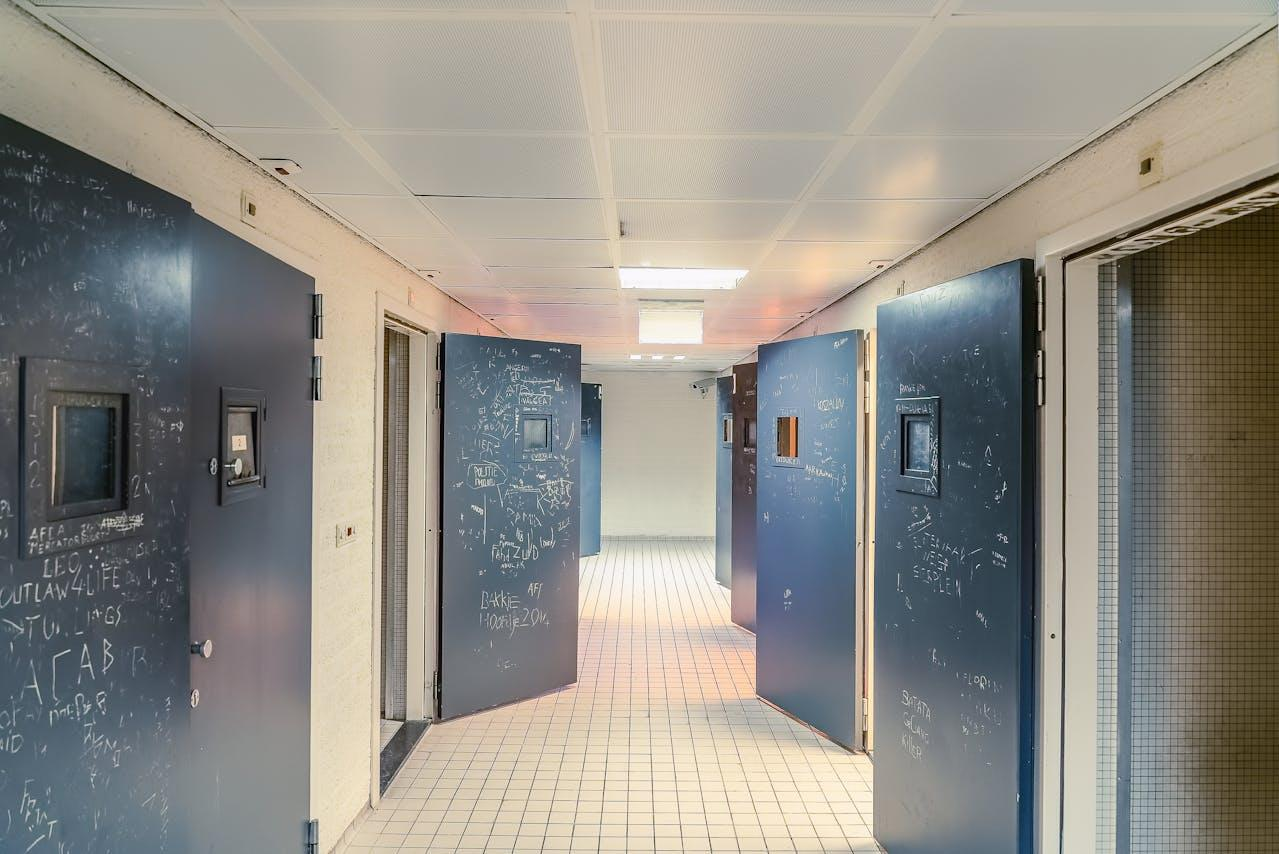
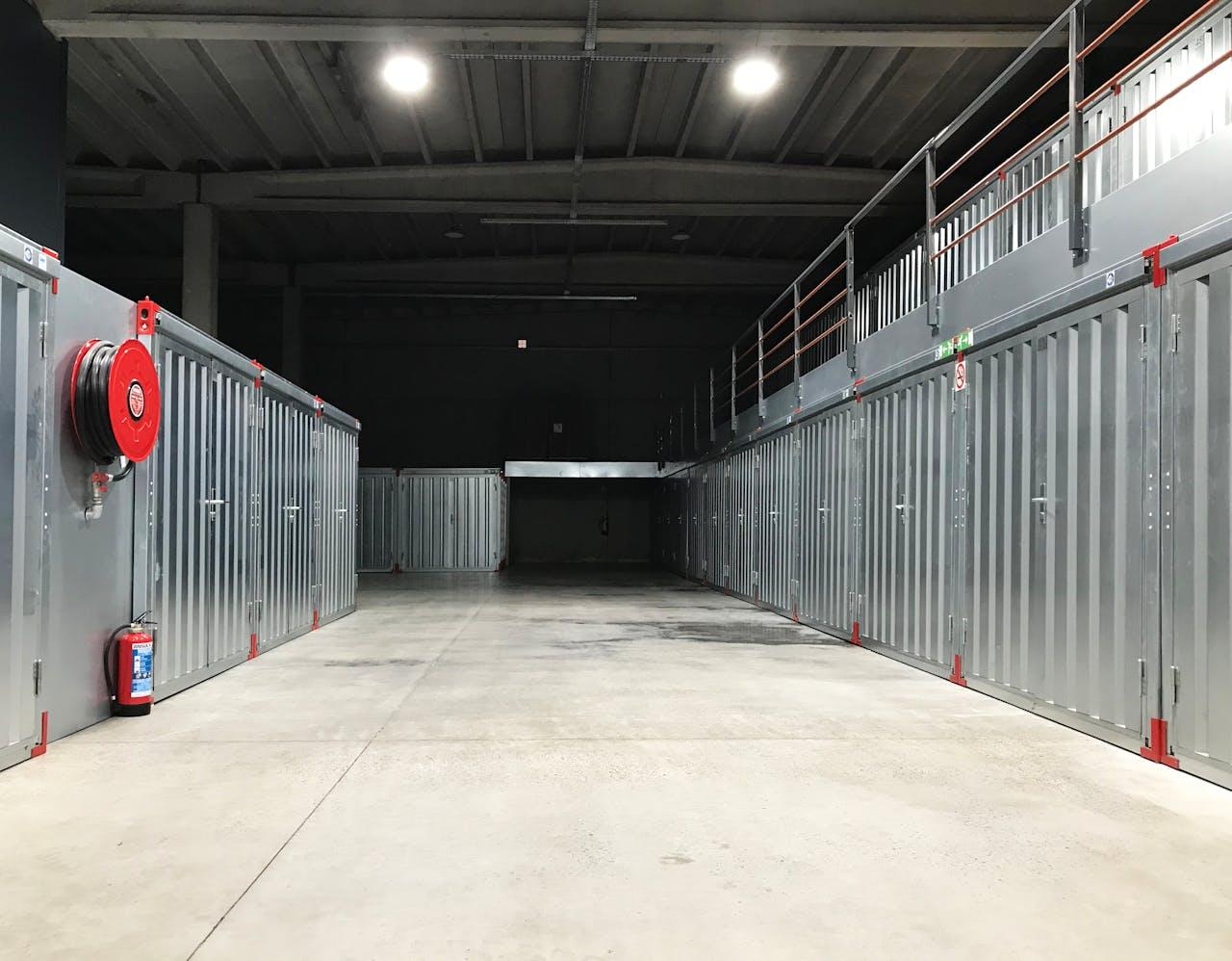
The material of the commercial door you select determines its longevity, strength, and design. Every material has benefits and addresses specific business needs. For instance, commercial metal doors like steel doors are strongly associated with strength and are therefore preferred by businesses that need high security. They are also impact, fire, and weather resistant, ensuring long-term effectiveness and durability.
Aluminum doors have contemporary designs and are very functional. They are lightweight, corrosive resistant, and can be used in combination with glass panels to provide improved lighting. If you have a business selling goods or one that attracts high levels of humidity, then this is the commercial door for you. On the other hand, glass doors are suitable for giving people a glimpse of your business or portraying a perception of openness. When installing these doors, you can utilize modern-day safety measures such as tempered or laminated glasses to ensure safety is not compromised.
Another type is rolling doors, commonly used in businesses with little ceiling space. These doors have several horizontal slats that roll up into a cool at the top end of the door opening. So, if your company doesn’t have much ceiling space, this type of commercial door would be the ideal choice. Your business process and operation must inform your choice of material. For instance, if you want to draw customers’ attention to the store, a glass door will be preferable, while a warehouse would need tough steel.
The company’s security is crucial when choosing the type of commercial doors to install. Doors keep unwanted people out and protect against harsh weather conditions. To protect your business assets and properties, you can select doors with tamper-resistant and sturdy features.
Moreover, some company doors are automated, opening automatically when someone approaches them. An extra security layer would be an aluminum or steel rolling door on the outside. You can also install doors with a smart lock feature, which requires using a card, fingerprint, or code before the doors open. This feature is best for sensitive areas in the company.
A door designed for energy efficiency decreases the money spent on heating and cooling bills by preventing heat from moving between exterior and interior spaces. Choose doors with proper insulation and weather stripping to avoid unnecessary air leakage and help create a comfortable indoor environment.
Furthermore, a high-energy-efficient door reduces the energy used to cool or heat buildings, resulting in low energy costs for conditioning a home with an insulated door. Energy-efficient doors also contribute to environmental conservation by reducing carbon emissions.
Durability is an essential factor to consider when choosing commercial doors. This is because doors are the most used part of the company building and are heavily loaded. Choose a door made of material that is durable and sturdy, such as fiberglass, aluminum, or steel. Don't select a door that will rot, corrode, or bend easily with constant usage.
No matter the environment or setting, durable doors guarantee physical stability and safety and act as barriers to outside elements. Furthermore, durable doors are rarely replaced and require few maintenance services, saving you much time and money over their lifecycle.
Maintenance is another factor to consider when choosing commercial doors. Most doors are made with materials that can withstand extreme weather conditions and other security risks. However, no one wants a door that will cost more to maintain. Select doors designed to be anti-corrosive and resistant to rust.
Furthermore, you can select doors with automated systems that will prevent wear and tear with usage over time. For example, installing a roller shutter door at the entrance of your company will give you optimum performance despite the large foot traffic.
Your company's entrance is a gateway to your services and goods. Potential clients may not visit your physical store when your doors look unappealing and a little worse for wear.
To select the right commercial door for your business, you must first assess why you need it. Understand your company's security needs, and research the different door materials to discover which would be a fit.