
GPS technology is often associated with large-scale, high-tech farming – but in reality, it offers valuable benefits across a wide range of field types and conditions. From tight irregular plots to open flat expanses, GPS guidance improves accuracy, reduces waste, and increases productivity. The real value lies in how well the technology adapts to the specific needs of different land types.
In this article, we’ll explore five kinds of agricultural fields where GPS systems https://www.fieldbee.com/app deliver the most impact – and why investing in precision guidance can pay off no matter the size or shape of your land.
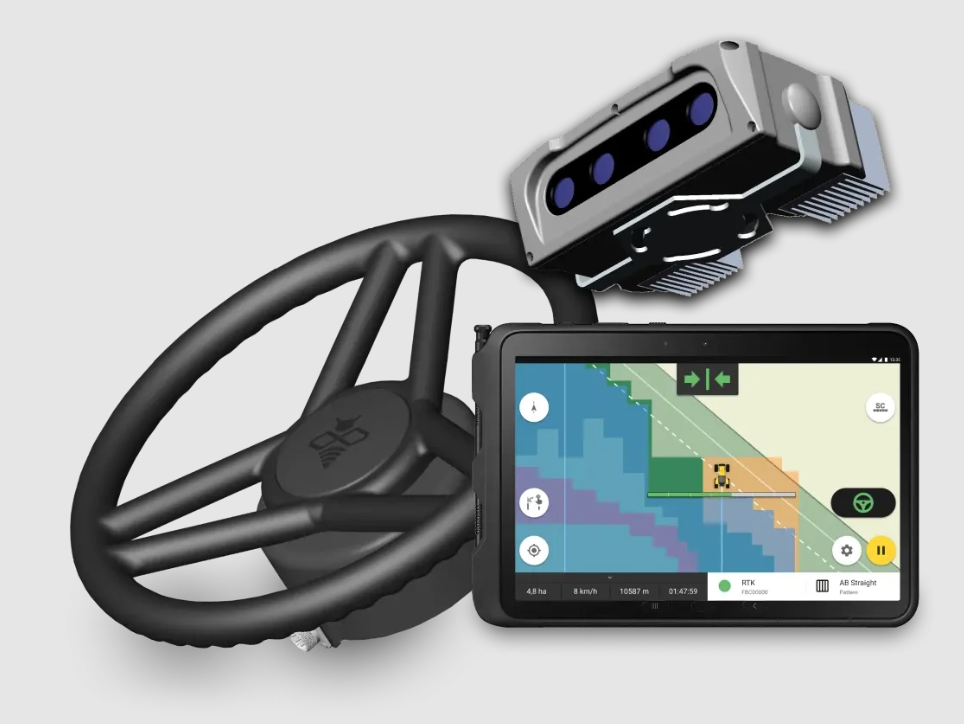
Farming on sloped terrain presents unique challenges: uneven ground, risk of soil erosion, and difficulty maintaining consistent rows. GPS guidance helps tractors maintain straight, evenly spaced passes even on inclines, where visual markers are unreliable. It also supports controlled traffic farming (CTF), helping to keep machinery on predefined paths to minimize soil compaction on slopes. In these areas, precision guidance is critical for both efficiency and long-term soil health.
While these fields offer fewer physical obstacles, their size makes even small inefficiencies costly. Without GPS, overlaps or missed strips can easily go unnoticed, leading to wasted fuel, seed, and inputs across hundreds of acres. GPS systems ensure optimal coverage and route planning, drastically cutting operational time and input costs. On large farms, even a 1–2% gain in efficiency translates into significant savings over the course of a season.
Small or oddly shaped fields, often found in older agricultural regions or near urban boundaries, are notoriously difficult to work efficiently. Their sharp angles, curves, and size variations make it hard to maintain consistent spacing and avoid overlaps. GPS technology allows for precise maneuvering in tight or irregular spaces, automatically adjusting guidance lines to fit the field’s exact shape. This reduces wasted inputs and helps make the most of every square meter, even in non-standard layouts.
For crops like corn, soybeans, or cotton that are planted in rows, consistent spacing is crucial for yield and equipment compatibility. GPS guidance ensures perfectly straight rows and precise repeatability – critical for subsequent operations like spraying, cultivating, or harvesting. The ability to return to the same tracks season after season also supports reduced soil compaction through tramlining or controlled traffic patterns. On row crop fields, GPS becomes not just helpful, but essential to long-term performance.
Fields used for fruits, vegetables, or specialty crops – like vineyards and orchards – require high precision due to the value and sensitivity of the plants. Errors in spacing or input application can cause costly losses. GPS ensures exact row placement, supports zone-specific input rates, and minimizes disturbance in delicate areas. For high-value crops, it’s not just about efficiency – it’s about protecting every plant’s potential.
Fields prone to waterlogging require careful navigation to avoid compaction and getting stuck. GPS systems help operators follow precise paths, avoid known problem zones, and minimize unnecessary passes over soft ground. This reduces soil damage and supports better long-term field health, especially in low-lying or poorly drained areas.







