
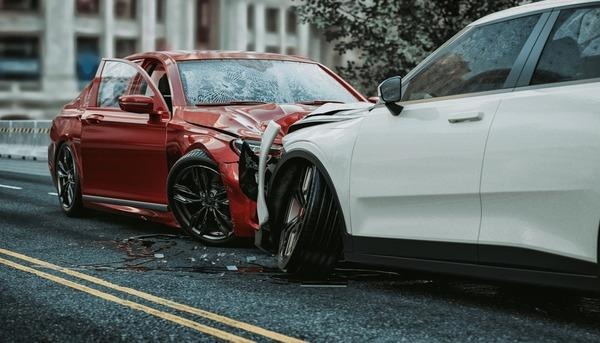
Distracted driving happens when a driver’s attention drifts away from the road — even for a split second — due to texting, eating, or adjusting the radio. That tiny lapse can lead to devastating consequences.
In busy cities like Nashville, where traffic moves fast, and tourists crowd the streets, distraction behind the wheel becomes even more dangerous. Many avoidable auto accidents in Nashville, TN, happen because drivers underestimate how quickly things can change — a car stops short, a light turns red, or a pedestrian steps off the curb.
This article explores how distraction causes crashes and how to prevent them.
Distraction behind the wheel works like a delay button on your brain. You see the brake lights ahead, but your reaction comes a second too late. That second matters. At 55 mph, a car travels the length of a football field in about five seconds — the same time it takes to read or send a text. That distance can be the difference between a near miss and a crash.
Most distracted driving falls into three types:
Crashes often happen when more than one type overlaps. Texting, for example, combines all three — you look away, use your hands, and lose focus.
According to the National Highway Traffic Safety Administration (NHTSA), over 3,275 people died in crashes involving distracted drivers in 2023. Tens of thousands were seriously injured. The growing attachment to smartphones only adds to the risk.
Picture this: you’re driving through heavy traffic. A message lights up your screen. You glance down — just for a moment. When you look up, the car ahead has stopped. That brief distraction can cause a rear-end crash, which often sets off a chain reaction in busy areas.
You must be very careful when driving in an urban area. With so many things going on (traffic signals, small intersections, and pedestrians), every single second is important.
If you are distracted, you may miss a turn signal, drift into another lane, or run over a pedestrian at a crosswalk. In a hurry, what is typically a harmless distraction could quickly become a deadly mistake.
Distracted driving has far-reaching effects beyond the time of the accident. The insurance rates may increase. Your medical and repair bills will likely be higher than they would have been otherwise.
Depending on the severity of the accident, you may lose your driver's license or face criminal charges.
The emotional toll from a preventable moment is usually much harder to deal with — the guilt, the anxiety, and the fact that you know it was something that you could have avoided.
Staying focused isn't just about avoiding a ticket or the cost of repairs; it's also about maintaining your vehicle's overall health. It's about protecting yourself and those around you who are traveling on the road.
You can’t control what happens on the road, but you can control your focus.
Simple habits help keep your attention where it belongs:
Focus is your best defense. Every distraction you remove lowers your risk — and protects everyone around you.







