
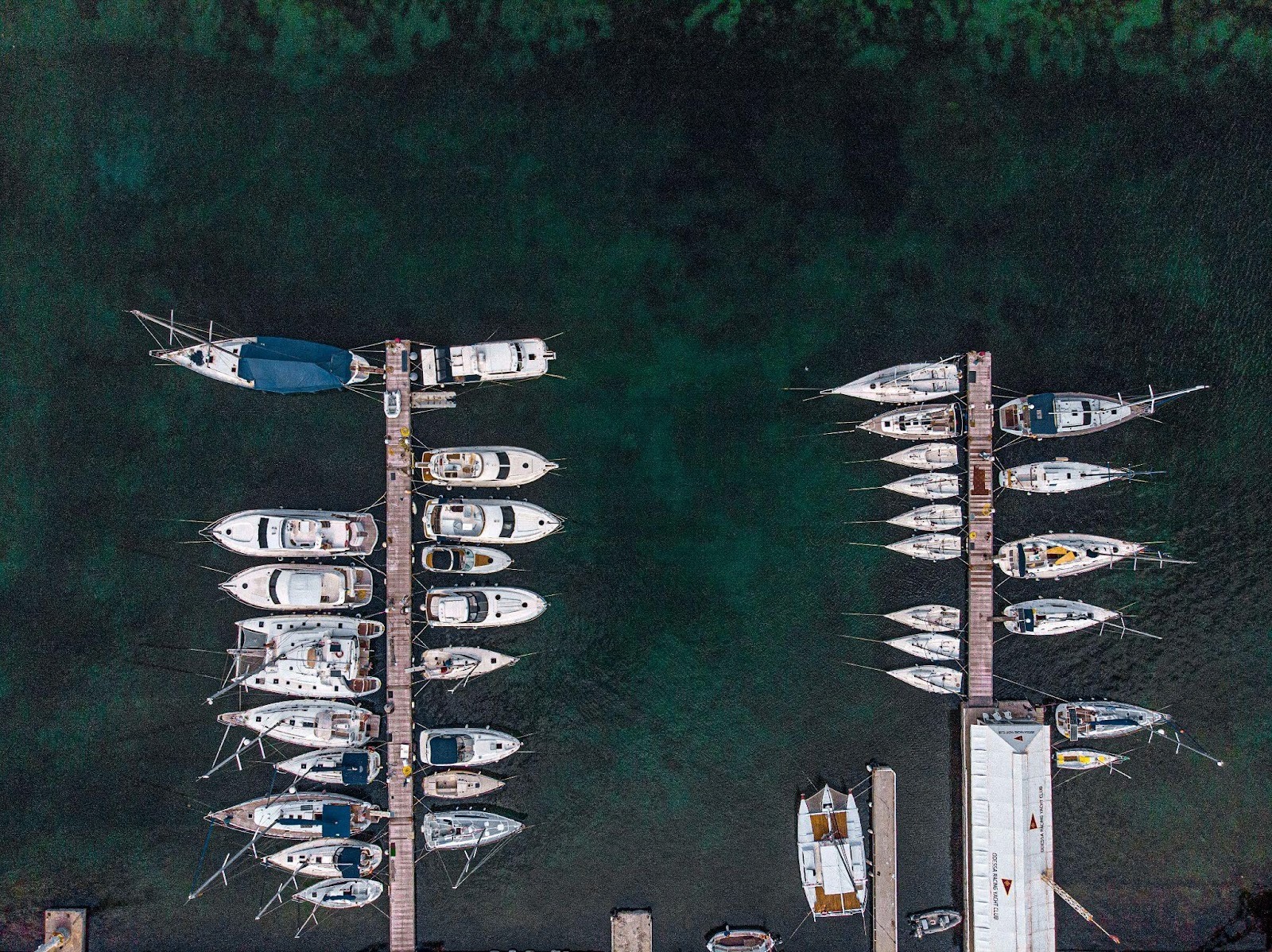
France’s Mediterranean yachting industry has entered a new era of regulation. In a move designed to safeguard fragile marine habitats, French maritime authorities have expanded anchoring restrictions targeting vessels longer than 24 metres. Yachts breaching protected seagrass zones now risk fines as high as €150,000, as part of an effort to preserve underwater landscapes long‐neglected in the pressure of luxury tourism.
The underpinning motivation lies with the seagrass species Posidonia oceanica, often called the “lungs of the Mediterranean”. These underwater meadows play an outsized role in carbon absorption, coastal protection and marine biodiversity. Experts estimate that one hectare of Posidonia produces more oxygen than a comparable patch of rainforest. Bearing in mind how slowly the plant grows (mere centimetres per year), any damage from anchoring can take centuries to recover.
The regulations have gradually been implemented since 2016, with key decrees in 2020 and 2021 focusing on the South of France and Corsica. They stipulate that yachts over 24 metres must either operate outside designated seagrass meadows or seek authorised anchorage via buoy fields or mooring zones. Captains and owners are being warned: repeat or egregious violations may bring not only crippling fines but bans from French waters or even criminal prosecution.
For luxury charter clients and operators, shifting regulations are already shaping decisions. Itineraries along the French Riviera or Corsica now demand careful coordination, as anchoring zones tighten and approvals become mandatory for vessels over 24 metres.
That’s why many are quietly pivoting to less restricted areas, where navigating doesn’t feel like negotiating. In this context, renting a yacht in Kissamos is gaining appeal. With open waters, fewer anchoring rules, and unspoiled coastlines, it offers a simpler, more rewarding alternative. Whether exploring untouched coves or enjoying a peaceful mooring without red tape, travelers are gravitating toward places that let the journey unfold without constraint.
From a business perspective, the new French rules mark a shift in what constitutes a “high-end” yacht experience. Sustainability is no longer fringe; it is central. Charter firms must demonstrate eco-compliance, captains need updated nautical charts and apps (the DONIA app being one example) to avoid inadvertently dropping anchor in a restricted zone.
Kamnaki Maria, Reservation Manager at DanEriYachts, comments:
“Captains and charterers are asking more questions about anchoring zones. They are conscious that a wrong drop of the anchor can cost tens of thousands in fines and cause lasting damage to seafloor ecology. When clients choose to charter, they often prefer areas with fewer restrictions so that time on the water remains free-flowing. A destination where you can casually plan to rent a boat in Kissamos and drop anchor without heavy regulatory hassle becomes a real differentiator in today’s market.”







