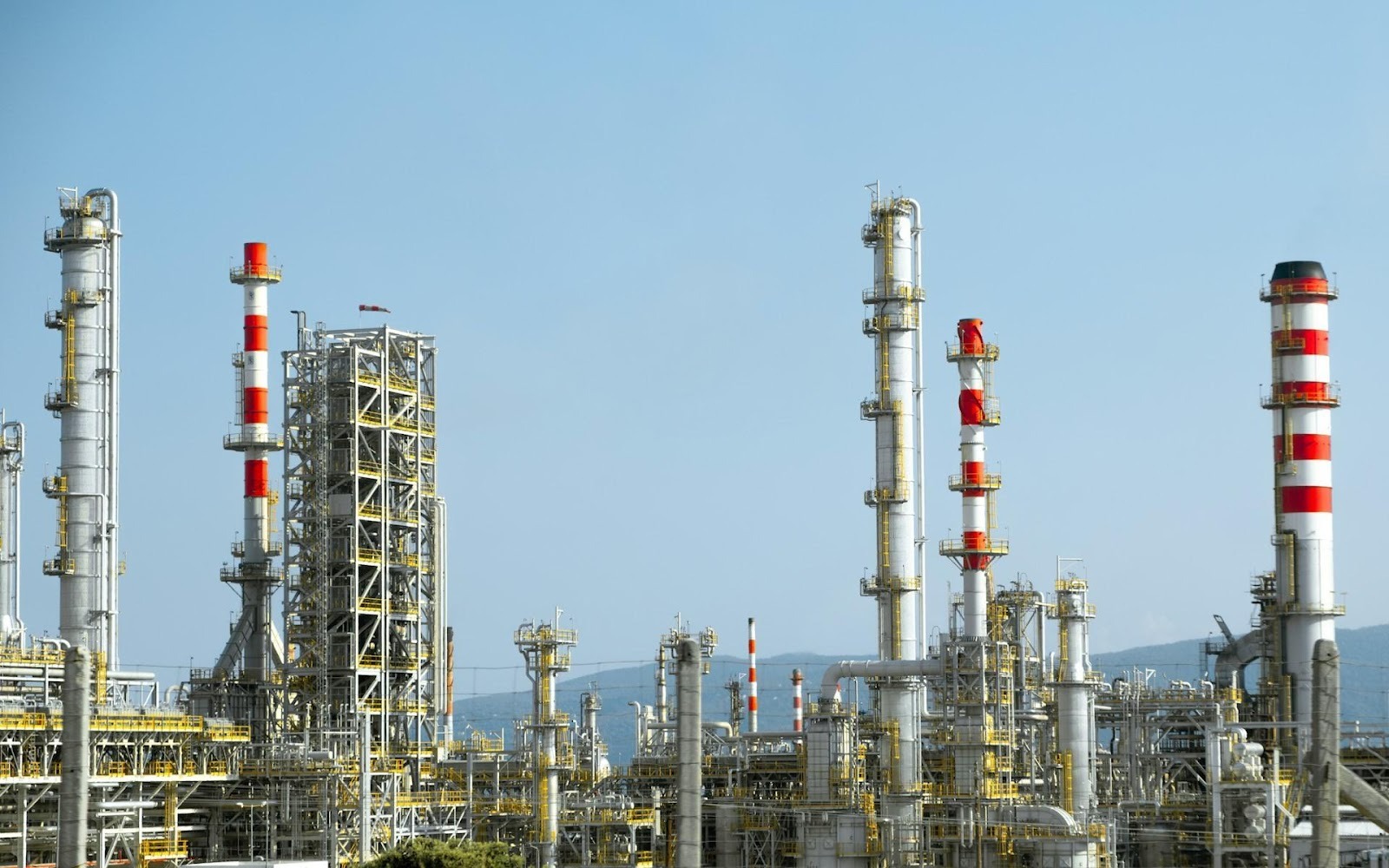
The sheer physical scale of a major oil refinery is a testament to its economic power, capable of processing hundreds of thousands of barrels of crude oil daily into essential fuels and petrochemical products. However, this massive scale inherently amplifies every operational danger. The sprawling infrastructure, encompassing miles of piping, countless storage tanks, and interconnected processing units, creates an environment where a minor mechanical failure can quickly escalate into a catastrophic industrial event.
The immense size dictates that an enormous volume of volatile and hazardous material is handled, stored, and moved at any given time. This high concentration ensures that any accidental ignition or leak has the potential for far-reaching consequences, affecting workers, surrounding communities, and the environment.
Understanding this power-risk dynamic is crucial when analyzing oil refinery accident risks. The corporate mandate for high output must be constantly balanced against the immense liability posed by large-scale, continuous industrial operations.
Large refineries are defined by the extreme complexity of their interconnected systems. They are not simple processing plants but highly integrated networks of units—from crude distillation to catalytic cracking—all operating simultaneously under intense pressure and high temperatures. This complexity is a massive factor in oil refinery accident risks.
The sheer number of components—thousands of valves, pumps, pipes, and sensors—means there are exponentially more points of potential failure than in a smaller facility. A malfunction in one unit, such as a pressure buildup or a valve failure, can immediately affect the process flow in an adjacent unit, overloading safety mechanisms.
Managing this vast, intricate network requires continuous monitoring and flawless maintenance. Any failure in procedure, human error, or deferred maintenance creates a cascading risk environment where the safety margin is razor-thin.
In a large, integrated refinery, the potential for a failure to cascade is the greatest threat. Due to the high-volume transfer of volatile hydrocarbons, a single point of failure—such as a corroded pipe developing a leak—can rapidly turn into a major incident.
The initial leak can quickly vaporize, creating a flammable plume that can be ignited by an electrical spark, hot equipment, or even static electricity hundreds of feet away. This results in a massive explosion, which then causes a chain reaction by damaging adjacent equipment, storage tanks, and critical safety infrastructure.
The scale ensures that once the initial event occurs, the response and containment are hampered by the sheer distance and complexity of the affected area. The larger the plant, the greater the number of ignition sources and the farther the explosion's destructive force can travel.
The size of a major refinery necessitates a much larger workforce, directly increasing the total number of workers exposed to daily operational hazards. This workforce includes thousands of full-time employees and often an equal number of temporary contract workers brought in for large maintenance projects (turnarounds).
Workers are exposed to toxic chemical releases, severe thermal burns from steam lines or hot product, crushing injuries from heavy equipment, and catastrophic trauma from fires and explosions. The necessity of working in close proximity to massive, high-pressure vessels heightens the severity of any accident.
Furthermore, the sheer size means that workers often rely on radios and complex communication networks. Any breakdown in communication, particularly during an emergency or isolation procedure, can lead to workers being exposed to hazards or entering unsafe zones unknowingly.
Beyond the immediate, catastrophic event, the scale of a refinery operation contributes to significant long-term oil refinery accident risks. The continuous exposure to low levels of toxic substances, such as benzene or sulfur compounds, can lead to occupational illnesses like cancer or severe respiratory issues years down the line.
The long-term consequences also relate to deferred maintenance. In large facilities, management pressure to meet quarterly production goals often leads to maintenance being postponed. Over time, this cumulative neglect degrades critical safety equipment, making a major catastrophic failure inevitable.
Legally, these long-term issues require careful documentation, linking chronic illnesses directly to the chemical exposure that occurred over years of working within the facility, placing liability squarely on the refinery operator.
The enormous size of a major refinery magnifies both its vital economic output and the inherent oil refinery accident risks. The complexity of these large, integrated systems ensures that the margin for error is minimal, and any failure has cascading, catastrophic potential.
For workers and nearby residents, this concentration of power means continuous exposure to extreme hazards. Any claim stemming from an accident here must be prepared to confront the multi-layered negligence of a powerful corporation.
Ultimately, the scale of the facility determines the scale of the disaster, underscoring the severe and high-stakes nature of industrial accidents in this sector.