
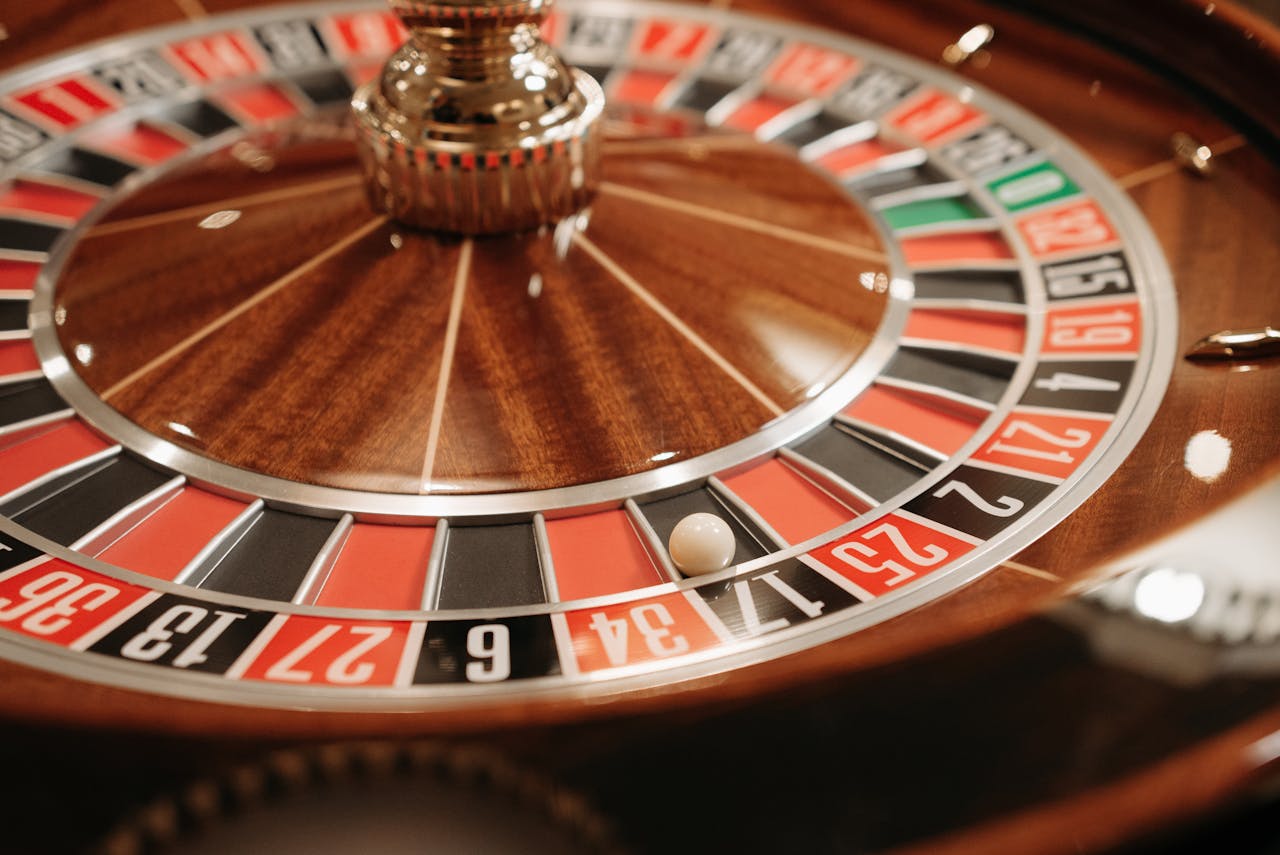
Roulette feels timeless, right? That spinning wheel, the clink of chips, the tension as the ball bounces… it’s pure theatre. But if you’re thinking about playing often or with real money on the line, you might be surprised how much the type of roulette you pick actually shapes your long-term results, not just your mood at the table. Let’s talk about it in a way that’s easy to follow (no Ph.D. required), but with enough real math to keep your bets grounded.
Here’s the nuts and bolts, there are three main roulette types that most folks encounter: American, European, and French. On the surface they look alike. But trust me, that one extra green space makes all the difference over time.
This distinction matters whether you’re sitting at a physical table or playing through a live casino setup online, where a real dealer spins the wheel on camera but the underlying odds remain exactly the same.
Think of it like this: imagine two games of chance where the odds seem close, but one quietly takes more of your money each time you play. That’s exactly what happens between these variations.
There’s a reason casinos always win in the long run: every game has a house edge. That’s the tiny percentage of your total wagers they expect to keep over time. In roulette, it’s directly tied to how many non-player winning pockets there are.
You might be thinking, “Those percentages sound small!” But here’s the catch: they’re per spin. That means over hundreds or thousands of bets, that tiny difference adds up like interest on a loan, but in favor of the house.
Short answer: the longer you play, the more likely your results will match the math. That’s because of something called the law of large numbers. The casino doesn’t need to cheat you, the odds are stacked by design.
Imagine two players:
In the short term, both might get lucky; that’s variance for you. But over dozens of sessions, Jess’s bankroll erodes more slowly because of the lower house edge. Sam will feel the house edge eat away his funds faster without much he can do about it.
Yes, luck still plays its role in the short run, but over many spins the math always wins. That’s where the type of wheel you choose truly matters.
You’ve probably heard of Martingale, Fibonacci, Labouchère, and a bunch of other betting strategies. They sound clever, but let’s be honest, they don’t change the house edge.
These systems manage your bet sizes based on wins or losses, but they don’t alter the underlying odds. It’s like rearranging your deck chairs while the ship’s engine still points downhill; you’ll still lose ground eventually. If anything, they often lead players to bet more and bust faster.
If you enjoy the thrill, absolutely. There’s nothing quite like the rush of watching that little white ball spin. But if you’re thinking about long-term money, here’s where personal strategy matters:
Roulette will never be a wealth-building game, plain and simple. But knowing how the house edge shifts with each variation helps you stretch your playtime and maybe walk away with a grin instead of a grimace.
Roulette is beautiful because it’s unpredictable and visceral. But here’s the truth: over the long term, the numbers matter way more than the hype. Whether it’s American, European, or French, the wheel doesn’t change its mind because you’re having a lucky day.
Pick the version that gives you the best chance to play longer and enjoy more spins… and remember, sometimes the smartest play is knowing when to walk away.







