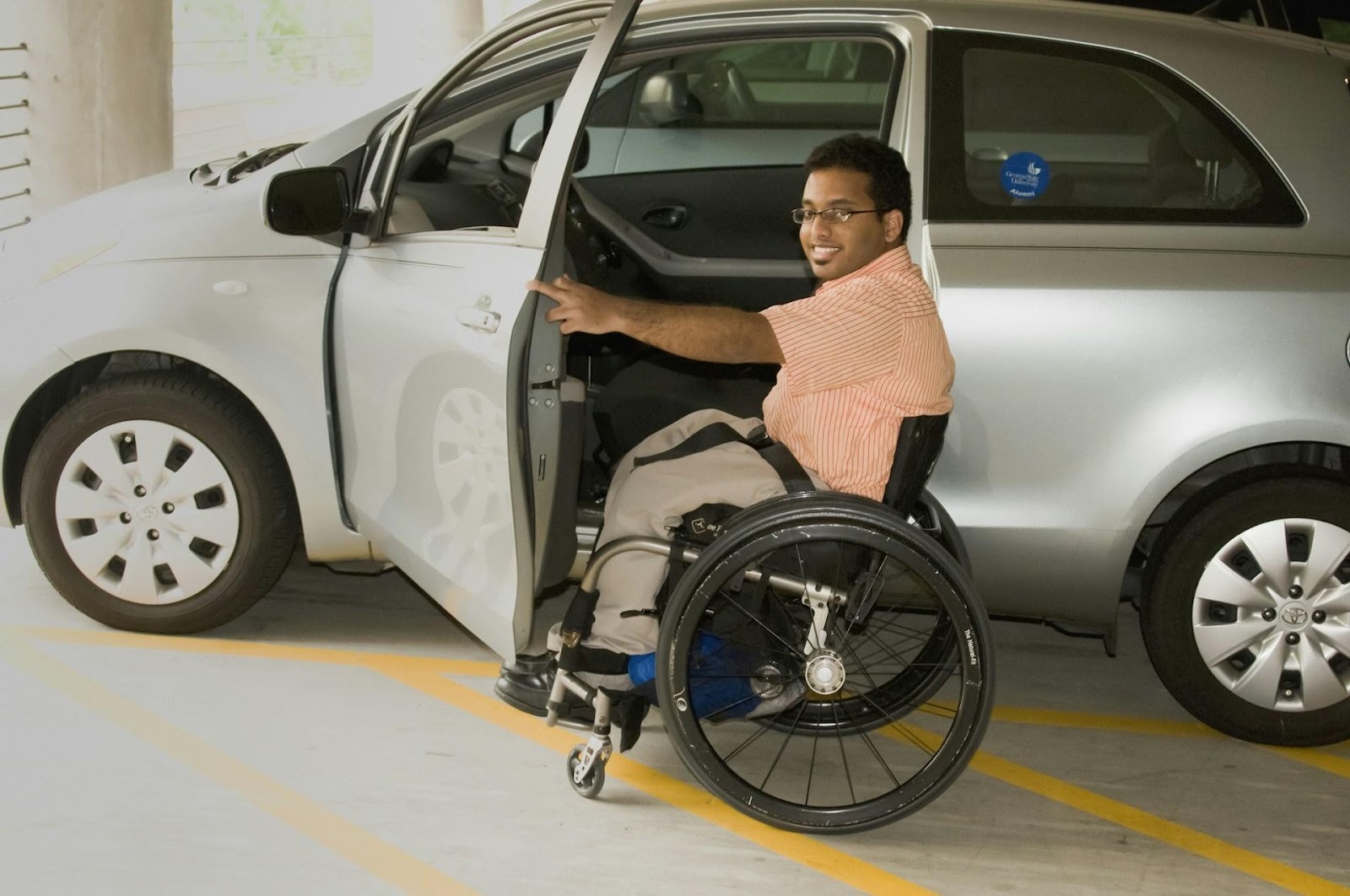
A car accident can change a person’s life in an instant, but the full impact is not always clear right away. Some injuries heal within weeks, while others permanently alter how someone works, moves, or lives. Long-term disabilities often develop gradually, leaving victims unprepared for the physical, emotional, and financial strain. Understanding how these disabilities emerge helps people recognize what they are facing and why their recovery may take a different path.
When an accident results in lasting limitations, everyday tasks become more challenging. Simple activities like walking, driving, or concentrating may require adjustments or assistance. These changes affect more than physical health—they reshape careers, relationships, and independence. Awareness is the first step toward adapting and planning for the future.
Certain injuries are far more likely to result in lasting disability following a car accident, especially when they affect the spine, brain, or nervous system. Spinal cord injuries can permanently limit movement and sensation, while traumatic brain injuries often interfere with memory, focus, and emotional regulation. Severe fractures and joint damage may heal structurally but still leave chronic pain or restricted mobility. These injuries frequently require ongoing medical care, rehabilitation, and lifestyle adjustments.
In many cases, symptoms evolve slowly rather than improving steadily. Pain may intensify, coordination may decline, or fatigue may become constant rather than temporary. Victims often realize weeks or months later that returning to their previous routines is no longer realistic. Early awareness of these patterns allows for better long-term planning and medical oversight.
Living with a disability caused by a car accident affects far more than physical health. Simple tasks such as driving, standing for extended periods, or concentrating on work may require new strategies or assistance. Many people must modify their homes, schedules, or transportation to maintain independence. These changes often arrive gradually, making them emotionally difficult to process.
The psychological impact can be just as challenging as the physical limitations. Feelings of grief, anxiety, and loss of identity are common as people adjust to a new version of daily life. Relationships may shift as responsibilities change or support becomes necessary. Acknowledging these realities helps individuals seek the right balance of medical, emotional, and practical support.
Disabilities caused by car accidents often result in ongoing medical expenses, reduced income, and unexpected costs. Treatment may include surgeries, rehabilitation, assistive devices, and long-term medication. Many victims also face limits on their ability to work or advance professionally. These financial pressures can accumulate quickly.
Because of these complexities, some individuals consult a car accident attorney in Edwardsville to better understand how long-term disability affects compensation options. Calculating future expenses requires careful evaluation of medical and vocational needs. Without proper planning, victims may underestimate the true cost of their disability. Early understanding helps protect long-term stability.
Medical evaluations play a crucial role in determining whether an injury qualifies as a long-term disability. Doctors assess physical limitations, cognitive changes, and the likelihood of improvement. These evaluations often involve specialists who monitor progress over time. Clear medical opinions help define the extent of impairment.
Disabilities are not always obvious or visible. Conditions like chronic pain or brain injuries may lack clear imaging but still significantly affect functioning. Consistent medical documentation strengthens understanding of the condition. This clarity supports treatment planning and long-term care decisions.
Long-term disabilities often force people to rethink their careers. Some victims cannot return to physically demanding jobs, while others struggle with concentration or stamina. Even desk-based roles may become difficult depending on the injury. Career changes can feel discouraging and uncertain.
Vocational assessments may identify alternative roles or accommodations. Retraining or modified schedules may be necessary. Income loss is not always immediate but can grow over time. Planning for these changes helps reduce long-term stress.
Many accident victims are surprised by costs that emerge long after initial treatment. These may include home modifications, mobility equipment, or specialized transportation. Ongoing therapy or periodic medical procedures can also add up. These expenses are easy to overlook early on.
Long-term disabilities often require maintenance care rather than one-time treatment. Insurance coverage may change or become limited. Families may need to budget for assistance or caregiving support. Awareness of these future costs helps prevent financial shock.
Some injuries show early signs that recovery may be limited. Paying attention to these signals allows people to adjust expectations and seek appropriate care. Common warning signs include:
Recognizing these signs early helps individuals plan for long-term support. Early action can improve quality of life.
Adjusting to life with a long-term disability is less overwhelming when planning begins early. Understanding medical needs, financial changes, and lifestyle adjustments allows people to make informed decisions instead of reactive ones. Early preparation reduces uncertainty and helps establish realistic expectations. Planning provides a sense of direction during a difficult transition.
Families also benefit from early conversations about support and responsibilities. Clear communication strengthens relationships and reduces stress. While the situation may be challenging, proactive planning helps rebuild stability. Preparation transforms uncertainty into manageable steps.
A car accident that leads to long-term disability permanently alters the future, but understanding those changes makes them easier to navigate. Awareness of physical limitations, financial realities, and emotional challenges allows individuals to adapt with purpose rather than fear. While the path forward may look different than expected, it can still be meaningful and stable. Knowledge empowers better decisions.
Long-term disability requires patience, adjustment, and ongoing support. Recognizing the full scope of an injury helps individuals advocate for their needs and plan effectively. With preparation and understanding, life after a disabling accident can still hold structure and security. The key is facing the reality with clarity instead of uncertainty.