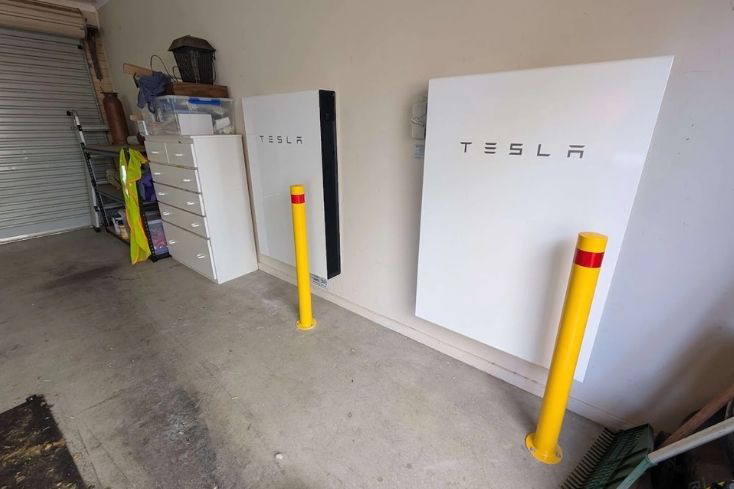
What if the next power outage didn't affect you at all? While your neighbors fumble with flashlights and worry about spoiling food, your home stays fully powered. The lights remain on, the Wi-Fi keeps running, and life continues without interruption. This isn't a dream scenario—it's exactly what a home battery install delivers to thousands of satisfied homeowners across the country.
Power reliability is declining while our dependence on electricity keeps growing. The average American home now experiences multiple power outages yearly, with some lasting hours or even days. At the same time, we're working from home more, running essential medical devices, and relying on technology for security, comfort, and daily convenience.
A home battery install isn't just about backup power anymore. It's about taking control of your energy future, reducing your electric bills through smart energy management, and increasing your home's value. With improved technology, better warranties, and attractive government incentives available right now, 2025 presents an ideal opportunity to make this smart investment.
Before diving into your home battery install project, understand what you actually need to power during an outage.
Walk through your home and identify essential versus nice-to-have appliances. Most families prioritize refrigerators, freezers, heating or cooling systems, internet routers, phone chargers, and a few lights. If anyone in your household uses medical equipment, that becomes your top priority.
Check your recent electric bills to see your average daily consumption. This gives installers a baseline for recommending the right system size. Don't worry about complex calculations—professional installers will handle the technical details, but having this information helps you understand their recommendations.
How often does your power go out? For a few hours or multiple days? Frequent short outages need different solutions than rare but extended blackouts. Your local outage patterns directly influence which home battery install option makes the most sense.
These batteries only activate during power outages, providing emergency power when the grid fails. They're simpler and often the most affordable entry point for home battery install projects. Perfect if your primary concern is blackout protection rather than energy bill management.
Advanced batteries can store cheaper off-peak electricity and discharge it during expensive peak hours, reducing your monthly bills even when the grid is functioning perfectly. During outages, they seamlessly switch to backup mode. This dual-purpose approach maximizes your return on investment.
If you have solar panels or plan to install them, your home battery install should include solar integration. Your batteries charge from your panels during the day, store excess solar energy, and use it at night or during outages—delivering maximum energy independence and savings.
Most home battery install projects require a modern electrical panel with adequate capacity. If your home still has an outdated fuse box or a maxed-out breaker panel, upgrades become necessary before battery installation. Schedule a professional assessment to identify any needed electrical work.
Batteries need proper placement—typically in garages, basements, or exterior walls. They require ventilation, temperature control, and accessibility for maintenance. During your planning phase, identify potential installation spots and discuss options with your installer.
Every municipality has specific permitting requirements for home battery install projects. Reputable installers handle permits and inspections, but understanding your local requirements helps you timeline expectations and avoid surprise delays.
Your home battery install success depends heavily on installer expertise. Look for licensed electricians with manufacturer certifications and proven battery installation experience. Check their insurance coverage, read customer reviews, and ask for references from recent projects.
Get detailed proposals from at least three qualified installers. Quality quotes should include equipment specifications, warranty details, installation timeline, permit handling, and post-installation support. Don't just compare bottom-line numbers—evaluate the complete package.
Inquire about system expandability, monitoring capabilities, maintenance requirements, and emergency support. Understanding what happens after installation matters just as much as the installation itself. A great installer educates you throughout the process and remains available for future questions.
Federal tax credits currently cover substantial portions of home battery install projects. Many states offer additional rebates, and some utility companies provide bill credits for battery owners. Your installer should help identify every incentive you qualify for—this can significantly improve your investment returns.
Technology evolves quickly. Choose systems that support future expansion and software updates. Ensure your home battery install includes quality monitoring apps that track performance, energy usage, and potential issues in real-time.
The hardest part of any home battery install is simply getting started. You've already taken an important step by educating yourself—now it's time to move from planning to action.
Contact certified installers in your area this week. Schedule free home assessments to explore your specific options. Ask questions, compare solutions, and discover exactly how home battery installation transforms your energy independence.
Don't let another power outage catch you unprepared. Your journey toward reliable, sustainable home energy starts with one simple conversation. Reach out to qualified professionals today and turn your home battery install plans into reality.