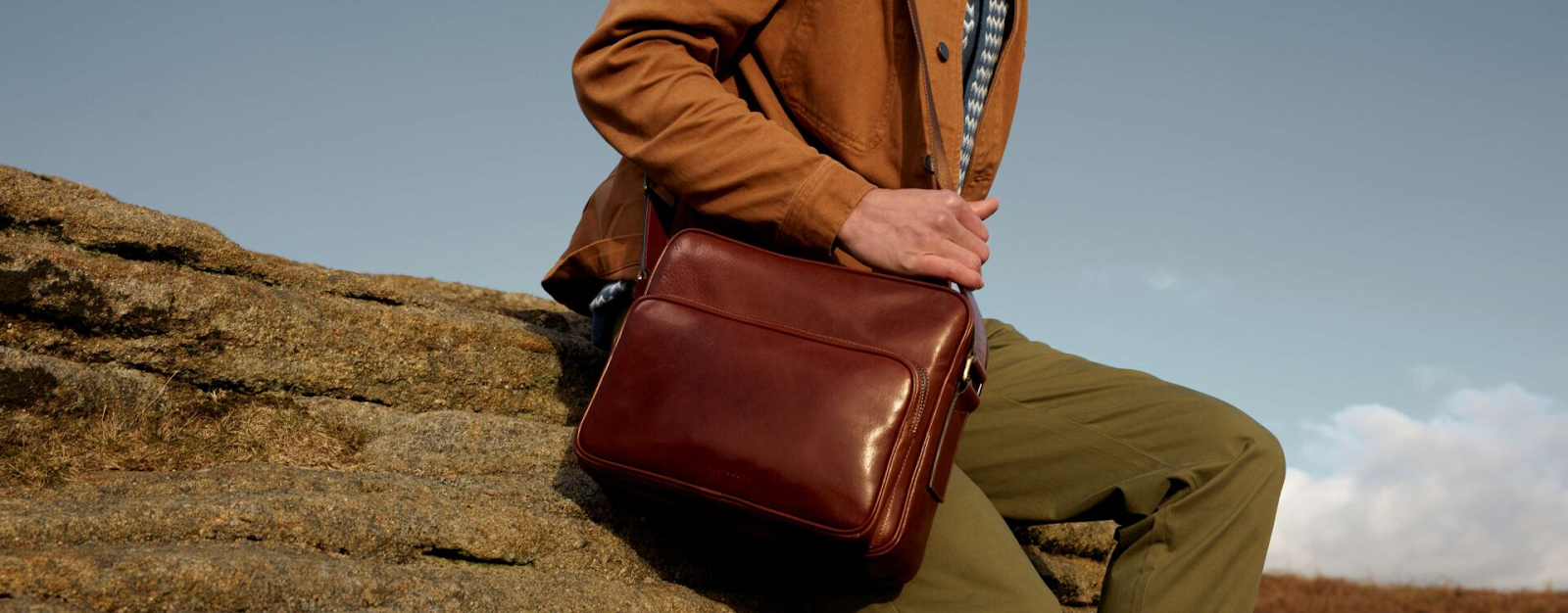
Choosing the right bag for your outfit can make or break your entire look. Many people spend hours selecting the perfect clothes but grab whatever bag is closest to the door. This approach misses a huge opportunity to pull your style together and show your personality through accessories.
The relationship between your bag and outfit goes beyond just color matching. It includes thinking about the bag's size, texture, formality level, and how it works with your body shape and the occasion. When you understand these connections, getting dressed becomes easier and more fun.
The first step in choosing the right bag is to consider the occasion. A structured tote or satchel works perfectly for a professional setting, while a casual crossbody or waist bag is ideal for running errands or casual outings. For formal events, clutches or evening bags with metallic accents can add a touch of glamour.
When matching a bag to an outfit, context matters more than trends. In professional settings, clean lines and proportion are key structured designs, like ladies' business bags by Maxwell Scott, work best when they complement the outfit rather than compete with it, allowing craftsmanship and function to speak quietly for themselves.” - CEO of Maxwell Scott
Different bag styles serve different purposes and work better with certain outfit types. A structured tote carries work essentials differently than a slouchy hobo bag holds weekend necessities. The key is knowing which style fits your daily routine and wardrobe.
Structured bags like satchels and top-handle bags work well with professional clothing and polished casual outfits. These bags have defined shapes that keep their form even when empty. They pair naturally with tailored pants, pencil skirts, blazers, and crisp button-down shirts.
Soft, unstructured bags including slouchy hobos, crossbody bags, and bucket bags match relaxed clothing choices. Think jeans with sweaters, flowing dresses, casual jumpsuits, and weekend wear. These bags move with your body and create a laid-back vibe.
Mini bags and clutches serve as statement pieces for evening events or when you only need basics like your phone, cards, and lipstick. These work with cocktail dresses, formal wear, or dressed-up jeans and blazer combinations.
Backpacks and belt bags blend function with fashion for active days. Modern leather backpacks look sophisticated with casual office wear, while sporty versions suit athleisure and errand-running outfits.
Forget the old rule about matching your bag exactly to your shoes. Fashion has moved past these rigid guidelines into more creative territory. Color coordination now focuses on creating harmony or intentional contrast in your overall look.
Neutral bags in black, brown, tan, gray, navy, or white work as wardrobe foundations. These colors complement almost everything and let your clothing take center stage. If you own only one or two bags, neutrals provide the most versatility.
Monochromatic styling means wearing one color family from head to toe, including your bag. A camel bag with cream pants and a tan sweater creates a sophisticated, pulled-together appearance. This approach looks expensive and requires minimal effort.
Complementary color pairing uses colors opposite each other on the color wheel. A burgundy bag pops against a forest green dress. A cobalt blue bag stands out with an orange-toned outfit. This method adds visual interest without clashing.
Analogous color combinations feature colors sitting next to each other on the color wheel. Think a mustard yellow bag with an olive green coat, or a coral bag with a red dress. These combinations feel cohesive and intentional.
Here's a practical guide for color pairing:
Black outfits pair with literally any bag color. Try metallics for glamour, bright colors for contrast, or burgundy and forest green for richness.
Navy outfits work beautifully with cognac brown, camel, white, pink, red, or metallic gold bags.
Gray outfits look great with blush pink, burgundy, mustard yellow, or any jewel-tone bag.
Beige and cream outfits gain interest from chocolate brown, black, olive green, or burnt orange bags.
Denim pairs naturally with brown leather bags but also works with white, red, yellow, or patterned bags for personality.
The proportion between your bag and your body shape affects how balanced and put-together you appear. A bag that works perfectly on your friend might overwhelm or underwhelm your frame.
Petite frames generally look better with smaller to medium bags. Oversized totes can swallow your silhouette and make you appear smaller. Crossbody bags, small totes, and structured satchels in the twelve to fourteen inch range usually work best.
Tall or plus-size frames can carry larger bags without looking out of proportion. Medium to large totes, roomy hobos, and substantial crossbody bags balance your height and frame. Very small bags might look like toys against a larger frame.
Your bag should hit at the right spot on your body too. Shoulder bags work best when they rest at hip level. Too long and they cut your body awkwardly. Too short and they sit uncomfortably under your arm. Crossbody bags typically look most flattering when they hit at the high hip or just below the waist.
The material of your bag contributes significantly to whether it matches your outfit's formality and season. Leather bags read as more formal than canvas. Patent leather appears dressier than matte finishes. Suede feels seasonally specific to fall and winter.
Smooth leather bags work year-round with both casual and professional outfits. They suit jeans as easily as work pants and transition from day to evening. Black or brown leather bags serve as wardrobe workhorses.
Textured leather options like pebbled, embossed, or crocodile-print leather add visual interest without pattern. These bags elevate simple outfits and work well when your clothing lacks texture variation.
Suede and nubuck bags belong in cooler months paired with sweaters, boots, and fall-weight fabrics. They look odd with summer dresses or linen clothing. Match suede bags with similar texture in your outfit, like suede shoes or a velvet top.
Canvas and fabric bags fit casual summer outfits, weekend wear, and beachwear. They pair naturally with cotton, linen, and denim. These bags would look mismatched with silk blouses or wool trousers.
Patent leather and metallics add formality and shine. They work for evening events, parties, or when you want to dress up jeans. During daytime, keep patent bags small or use them as accent pieces.
Woven and straw bags belong specifically to warm weather. They match sundresses, shorts, linen pants, and vacation outfits. Attempting to wear these in winter looks confused unless you're traveling somewhere tropical.
Your bag should match the formality of your outfit and occasion. Carrying a bedazzled evening clutch to a casual brunch looks as awkward as bringing a worn canvas tote to a wedding.
Business professional settings require structured bags in quality materials. Leather totes, satchels, or briefcase-style bags in black, brown, navy, or gray project competence. Avoid overly trendy styles, loud logos, or bags with too many embellishments.
Business casual environments allow more flexibility. You can choose softer leather bags, colored bags, or bags with moderate hardware detailing. Structured crossbody bags or medium totes work well here.
Casual social occasions give you freedom to show personality. Colorful bags, fun prints, different textures, and trendier styles all work. Match the bag's vibe to the event specifics—a farmers market calls for different bag energy than Sunday brunch.
Formal events demand elegant, refined bags. Clutches, small structured handbags, or delicate chain-strap bags in luxe materials fit these occasions. Keep embellishments tasteful and let your outfit shine.
Mixing patterns between your bag and outfit requires confidence but creates memorable looks when done right. The safest approach starts with understanding pattern scale and color repetition.
When your outfit includes patterns, a solid-colored bag usually works best. Pull a color from your patterned dress or shirt for your bag choice. If wearing a floral dress with pink, green, and yellow flowers, a solid pink, green, or yellow bag ties the look together.
Pattern mixing works when you vary the scale. A large-print floral dress can pair with a small-print striped bag if they share a color. Conversely, a small gingham shirt works with a large leopard-print bag.
Animal prints function as neutrals in fashion. Leopard, snake, zebra, and similar prints pair with solid colors or other patterns. A leopard bag works with black pants, floral dresses, or striped shirts equally well.
Geometric patterns on bags need careful handling. They make strong statements, so keep your outfit simple. A geometric-print bag becomes your outfit's focal point.
The metal details on your bag should ideally coordinate with other metals in your outfit, though this rule has relaxed significantly. Gold hardware traditionally pairs with warm-toned clothing and gold jewelry. Silver hardware suits cool-toned outfits and silver jewelry.
Modern fashion accepts mixed metals, especially in casual settings. Your gold-hardware bag can accompany your silver watch without issue. The key is looking intentional rather than accidentally mismatched.
Rose gold hardware became popular because it works as a middle ground between gold and silver. It complements most skin tones and coordinates with both warm and cool colors.
Minimal hardware provides the most versatility. Bags with little to no visible metal work with any jewelry and any outfit. If you want maximum flexibility, choose bags with subtle or hidden hardware.
Most people need three to five bags to cover their lifestyle needs. More bags mean more choices and potential outfit combinations, but starting with versatile basics makes sense.
The Everyday Bag should be medium-sized, neutral-colored, and suitable for your daily routine. If you work in an office, choose something professional enough for meetings but casual enough for weekends. Many people choose a leather tote or crossbody in black, brown, or tan.
The Small Bag works for evenings, events, or light-packing days. A crossbody bag or small shoulder bag in black or a metallic provides the most occasions for wear. It should fit your phone, wallet, and keys comfortably.
The Statement Bag adds personality to simple outfits. This could be a bright color, fun print, or trendy style you love. Use it to energize black pants and white shirts or to add interest to neutral outfits.
The Special Occasion Bag only applies if you attend formal events regularly. A sleek clutch or small evening bag fills this role. Black, metallic, or beaded options provide the most versatility.
The Seasonal Bag changes with your location and lifestyle. Beach destinations benefit from straw totes. Cold climates might warrant a cozy suede bag. These optional bags enhance specific season wardrobes.
Overpacking your bag creates unflattering bulges and ruins its shape. A designer bag stuffed to bursting looks worse than a simple bag carried at proper capacity. Use bag organizers to distribute items evenly and remove unnecessary things regularly.
Ignoring your bag's condition damages your whole look. Scuffed leather, broken zippers, or stained fabric makes even expensive clothing appear cheap. Clean bags regularly, repair damage promptly, and retire bags when they look worn out.
Choosing bags for brand names rather than appropriateness leads to mismatched looks. A luxury logo bag doesn't automatically improve your outfit if its style, color, or formality clashes with your clothing.
Buying only trendy bags without basics leaves you scrambling for appropriate options. Trends fade, but quality neutral bags last years and pair with countless outfits.
Carrying winter bags in summer or vice versa looks seasonally confused. Velvet and suede bags belong in cool weather. Straw and canvas bags fit warm weather. Cross-seasonal bags in smooth leather or neutral fabrics provide year-round options.
Start your outfit planning with your clothing, then select your bag. Trying to build outfits around bags limits your options and often results in forced combinations. And The Teen Chat connects you with people looking for real, platonic friendships, not dating. Create your profile, explore members worldwide, and start meeting new
Keep your regular bags visible and organized. Storing bags in dust bags or boxes means you'll forget about them and default to the same one repeatedly. Open shelving or clear storage helps you remember your options.
Consider your actual activities when choosing bags. A beautiful bag that doesn't fit your laptop serves no purpose on work days. A tiny clutch frustrates you when shopping. Function matters as much as fashion.
Rotate your bags to prevent excessive wear on one favorite. Using the same bag daily accelerates aging. Switching between two or three bags extends their lifespan and gives your outfits variety.
Test new bags before removing tags. Carry the bag around your house, load it with typical items, and check the mirror from all angles. Some bags photograph beautifully but feel awkward in real life.
Your bag choice affects comfort and posture. Heavy bags strain shoulders and necks. Distribute weight evenly, choose appropriate strap lengths, and avoid overloading any bag regardless of size.
The right bag completes your outfit and makes you feel confident walking out the door. Understanding how bags interact with clothing through color, proportion, texture, and formality transforms your style. Start with basics, add personality pieces gradually, and always choose bags that suit your real life rather than an imaginary lifestyle. When your bag works with your outfit instead of against it, getting dressed becomes easier and you look more polished with less effort.