Nepal is an ideal destination for trekkers because it provides remarkable views along its well-known hiking paths. The timing of your trek selection decisions determines success or failure in your trekking journey. Different season patterns result in unique climatic conditions and trekking conditions, in addition to distinct challenges.
Nepal divides its yearly weather into four distinct sections that include spring and summer as monsoon season together with autumn and winter. Your trekking decisions become simpler with awareness about these weather periods. You should trek in particular routes in certain months because their safety conditions fluctuate between seasons.
Your perfect travel timing will be determined through the guidance provided in this document. The guide knows both the favorable factors and challenges that trekking has within each season. Additionally, it identifies the most popular trails and the corresponding level of crowd density.
Spring stands out as the best time for trekking throughout Nepal. During this season, Nepal has pleasant temperatures combined with few clouds in the skies and a vibrant climate. During the day, it remains warm without excessive heat, while nights become cool.
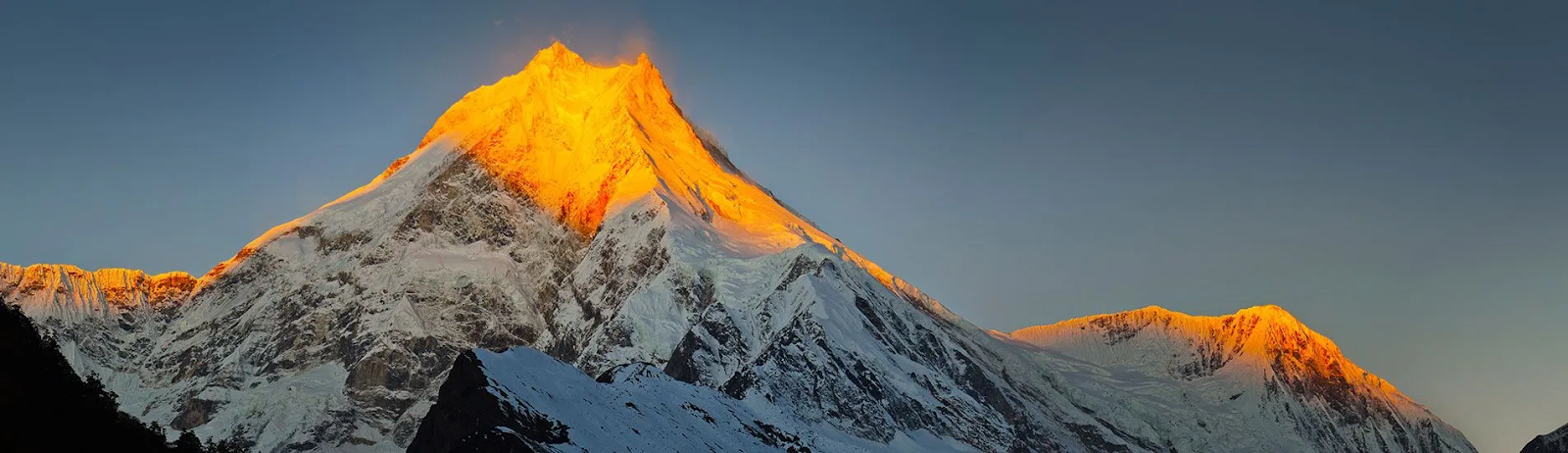
The trails become vibrant due to blooming rhododendron flowers. The perfect weather during this time suits all types of trekkers since it avoids intense cold and scorching heat. Both Thorong La on the Annapurna Circuit trek and Larke La Pass on the Manaslu Circuit trek will be free from snow obstructions during this period.
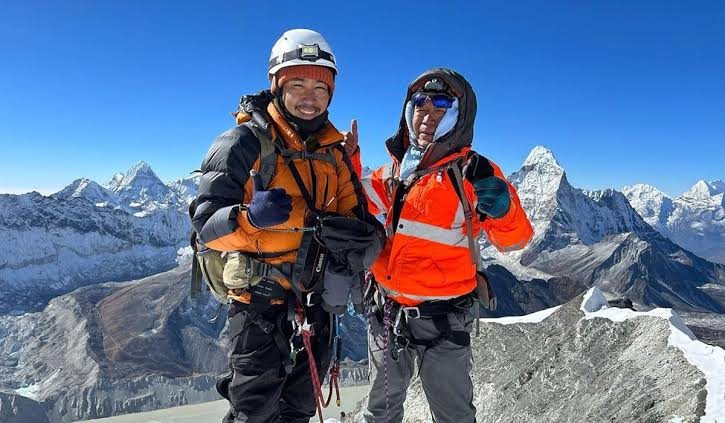
Passes for peak climbing become ideally accessible during the spring season. Mera Peak, along with Island Peak, welcomes many climbers each year. These are some adventurous peaks that several people go for. Secure climatic conditions enhance both the safety and the friendly environment of mountain ascents. An Everest Helicopter Tour during spring lets you experience the peak while enjoying clear sky conditions.
During spring, you will find plenty of activity, but the crowd of visitors stays less than the autumn season. Several hikers take the trail to reach Everest Base Camp as well as the Annapurna Circuit, together with many others. The trails of the Manaslu Circuit serve a moderate number of trekkers when compared to summer or winter.
The high number of trekkers increases the challenging process of securing accommodations. Traveling in the lower regions becomes warm enough to generate sweating when walking. The weather patterns at peak altitudes may result in sudden snowfalls.
During summer, Nepal receives monsoon rainfall throughout its territory. The wet weather during this period makes trekking among the least chosen activities in Nepal. Trekking through several regions remains convenient due to their dry climate conditions.
The hills experience complete vegetation growth, which generates a charming, fresh, and lively environment. The low numbers of trekkers provide both peaceful trails and reduced accommodation costs. The regions of Upper Mustang and Dolpo maintain dry conditions because of their position inside the rain-shadow area.
Even though Everest Base Camp is not ideal in the monsoon, Everest Helicopter Tours are still an option if the weather allows. Helicopter rides provide breathtaking views when the skies clear between rainfalls.
During the summer months, only a small number of people choose to trek through Nepal. In these months only two types of people choose to trek, such as adventure seekers and hikers in arid terrains. The Annapurna Circuit, together with the Everest Base Camp trails, maintains almost no visitor presence during the summertime.
The combination of heavy rainfall leads to dangerous trail conditions with a high risk of landslides as well as slippery surfaces. The lower-altitude forest areas have leeches as common inhabitants. Air transport to Lukla regularly postpones its flights and cancels many departures.
Among all trekking seasons, Nepal receives its highest number of trekkers during the autumn season. When the monsoon finishes, the season brings brilliant skies that produce fresh and pristine air. Trekking conditions during this period are ideal because both subtropical heat and extreme cold temperatures remain out of the way.
The conditions for views reach their optimal state because the skies maintain their complete clarity. Trekking conditions are optimal because the trails have remained dry. Autumn in Nepal brings you two major festivals, so your trek experiences cultural celebrations during this time period.
The years between September and November serve as the ideal time to explore both Everest Base Camp and the Annapurna Circuit. Stable weather conditions in autumn support climbers who want to tackle Island Peak and Mera Peak or any other ascents. The autumn season provides clear weather conditions for the Everest Helicopter Tour experience.
During autumn, the main trekking season creates tremendous visitor volume that reaches thousands of travelers. Both the Everest Base Camp and the Annapurna Circuit trek suffer from overcrowding during the visitor season. Manaslu Circuit attracts numerous visitors, yet it remains less crowded compared to both Everest Base Camp and Annapurna.
The search for lodging becomes difficult because popular tourist areas attract many visitors. All available flight tickets to Lukla get exhausted before new reservations are processed. Tea houses have raised their prices because of the extensive customer demand.
Winter brings the lowest temperatures to Nepal among all seasons. Trekking at high altitudes becomes considerably harder because of snow accumulation. On the other hand, lower-altitude treks offer excellent trekking options.
Most trails remain tranquil because the number of trekkers stays minimal. The enchanted atmosphere of trekking develops from snowfall that obscures the landscape. The atmosphere is clear throughout the day which reveals magnificent vistas of the mountains.
Traveling to Everest Base Camp during winter requires an individual to possess the right equipment. High passes of the Annapurna Circuit and the Manaslu Circuit usually need to be closed when heavy snowfall accumulates.
Everest Helicopter Tours remain a great option in winter. The cold air makes the mountain views even sharper and more spectacular.
The number of trekkers during the winter season remains extremely low. Advanced trekkers alongside persons completing brief walks comprise most of the visitor base. The mild atmosphere of Everest Base Camp comes with the challenge of harsh, extremely low temperatures.
The altitude region experiences temperatures that fall down to a minimum of -20°C. Heavy snowfall creates complete path and trail obstruction. Safeguarding yourself depends entirely on using suitable winter equipment.
Tourists can discover several trekking perspectives throughout the different seasons in Nepal. The climate conditions in spring and autumn create the ideal conditions for performing most trekking activities since these seasons have predictable weather alongside beautiful panoramic views. You should do your trekking during the monsoon season in arid zones or in the winter season to see peaceful snowy regions.
The right preparation allows you to engage in peak climbing along with trekking throughout all seasons for those who seek adventure. People who plan ahead, combined with strategic selection, can fully appreciate Nepal's stunning hiking routes.