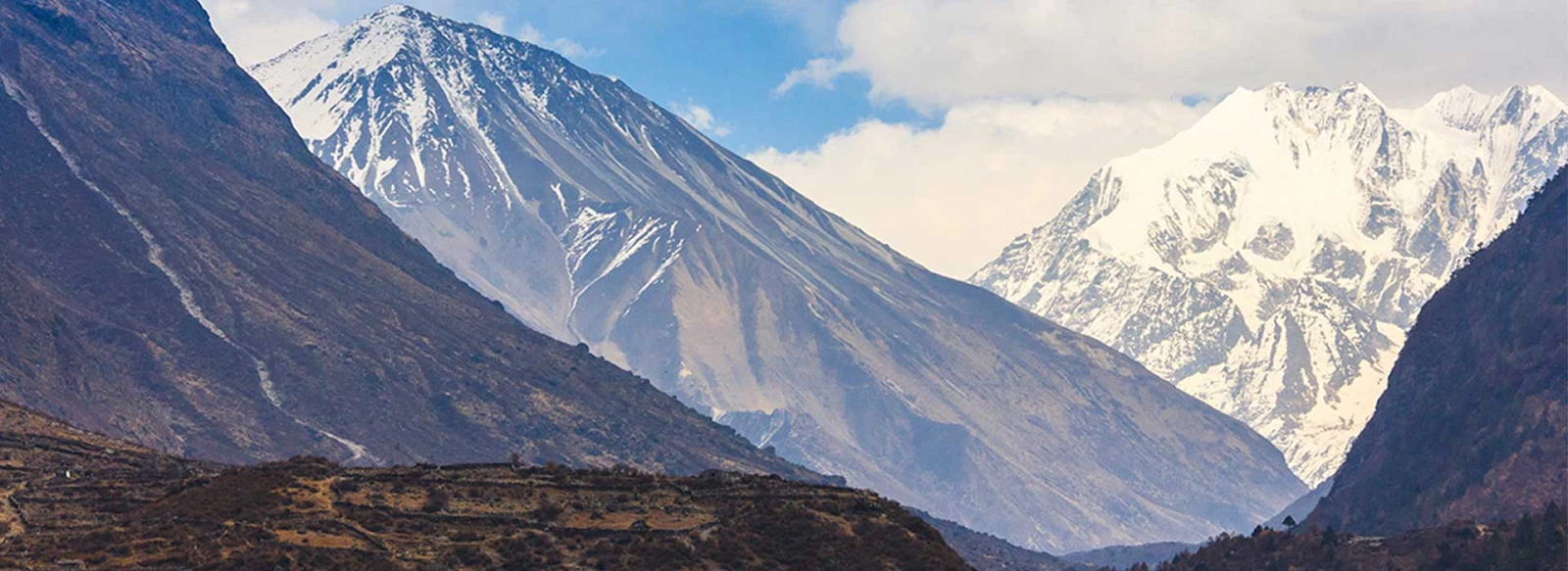
One of Nepal's most pleasing Himalayan journeys, the Langtang Gosainkunda route is an epitome of cultural depth, dramatic alpine scenery, and sacred high-altitude lakes. For trekkers seeking an expedition close to Kathmandu yet far from its hustle bustle, this trek offers an appealing combination of authenticity, accessibility and amusement.
The Langtang Gosainkunda trek experience, for you, will be a package of wonderful sights. If you do not want to miss out on the enchanting nature of Langtang filled with culture, mythology and tradition, we got you. For the exceptional Himalayan landscape you will savor in a single itinerary, check below for the highlights you would not want to miss along the way.
Your journey starts with the lower sections of the Langtang Valley. It is one of the most scenic trails in Nepal, which welcomes you with a forest of dense rhododendron, oak, bamboo, and pine forests that creates a change in the environment constantly as you trek up in the altitude. The trail often follows the Langtang Khola.
Its soothing water rushes will add rhythm to your walk. These forests are also home to diverse wildlife. There is an occasional possibility of sightings as well. Trekkers seldom spot red pandas, Himalayan langurs, musk deers, and a variety of bird species.
During spring, the trail turns into a vibrant section of red and pink from the blooming rhododendrons which enhances its photographic appeal even more. One of the most underrated highlights of the stretch is that it is an embodiment of serene, protected and beautifully wild atmosphere.
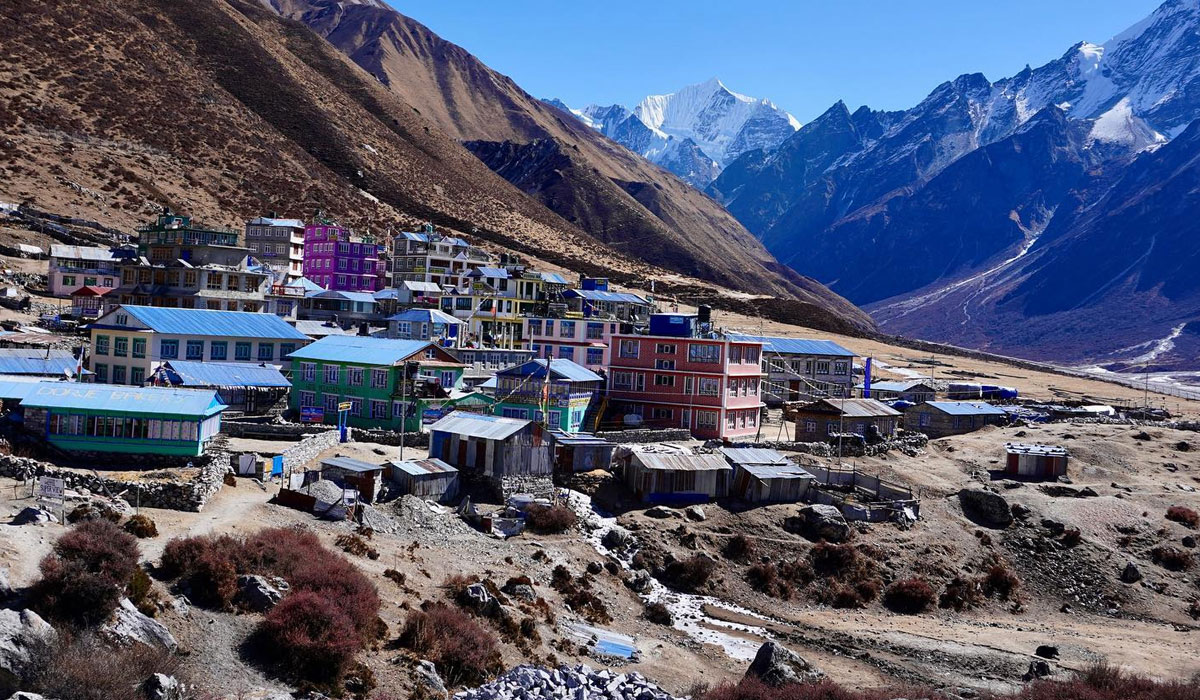
The Langtang region is a precious home to the Tibetan-influenced Tamang community. Here, its warm hospitality and cultural richness play a predominant role in the trek’s appeal. Villages such as Syabrubesi, Lama Hotel, Ghodatabela, Langtang Village, and Kyanjin Gompa render an aperture into local lifestyle, architecture, and spiritual practices.
There, you can expect to encounter mani walls, carved prayer stones, prayer wheels, and ancient houses built from local stones and wood. A plethora of families here have rebuilt their homes and lodges after the 2015 earthquake which created a warm sense of resilience that visitors feel strongly as they pass through.
For enriching your trek with a meaningful cultural dimension, you can stop here for tea, observe local farming practices, or simply exchange greetings with locals. For travelers who value deep mental involvement in their trip, the Tamang heritage along this route will be as memorable as the scenery itself.
Along with natural, traditional and cultural, Langtang Village is a major emotional highlight. Now meticulously built with improved trails, stronger infrastructure, and renewed community spirit, the Langtang Village was once devastated by a massive glacial landslide in 2015.
The village stands proudly as a symbol of unity, resilience and hope today. Trekkers don’t just ramble through the way. They take a moment to connect with a community that rebuilt itself piece by piece, standing strong against overwhelming odds.
Many travellers spend time here to learn more about how the disaster impacted the villagers, their toil towards reconstruction, and the role tourism plays in supporting the region’s recuperation. Moreover, the village offers travelers with excellent accommodation options, serving as a natural pause point before proceeding toward Kyajin Gompa.
Situated at 3,870 meters, Kyanjin Gompa is both a traditional Buddhist monastery and the final settlement of the upper Langtang Valley. From the moment you arrive here, you step into an amphitheater of towering peaks such as Langtang Lirung, Langshisha Ri, Dorje Lakpa and Gangchempo. Being one of the best parts of the entire route, trekkers tend to stop and spend an extra day thoroughly here, and indeed for a good reason.
The village offers visitors lodges with alluring scenes, artisanal yak cheese from the local cheese factory, and panoramic viewpoints at every turn you take. Especially in the morning, the monastery undoubtedly is a place of tranquility for pondering deeply, praying calmly, and taking spectacular photographs. Kyanjim Gompa is your gateway to two memorable side hikes that elevates the trek’s value.
One is Kyanjin Ri, a 4,773 short hike that provides trekkers breathtaking sunrise views after a steep climb. Another is a 5,000 m ascent, Tserko Ri, which is comparatively tougher and longer, rewarding trekkers with some of the iconic 360° Himalayan scenery in the region. Whether you choose to embark on either of those hikes or both, the journey is the profoundly essential highlight you should not miss.
When trekkers move from Langtang Valley to the Gosainkunda section, they are introduced to a uniquely different landscape. As you transition toward Lauribina and Gosainkunda, you will ascend into rugged and alpine terrain. It opens up a plethora of sweeping views from Ganesh Himal to Manaslu.
Gosainkunda itself, which is situated at the height of 4,380 meters, is the visually attractive spiritual culmination of the trek. It is believed that, according to Hindu mythology, Gosainkunda Lake is created by Lord Shiva as he struck the ground with his trident , after he ingested the poison, to cool his burnt throat from the pristine waters of Gosainkunda.
Thousands of pilgrims even visit the lake during Janai Purnima every year believing that the waters there purify their souls, spirits and mankind. The lake tends to shift its colors with angle of light, transitioning from deep blue to turquoise. This is one of the most atmospheric, sacred and serene alpine destinations in Nepal which is surrounded by stone cairns, glaciers, and dramatic ridgelines.
Additionally, there are other smaller lakes like Bhairav Kinda and Surya Kunda, adjacent to the Gosainkunda lake which expands the heavenly breadth of the experience. If time doesn’t constrain you, exploring these smaller lakes will leave an indelible mark to your trek of spiritual and geological diversity,
Moving on to the Lauribina La Pass, which is the highest point of the Langtang Gosainkund routes, you’ll meet the most dramatic features of the trek. While the climb is challenging, it is manageable for those trekkers who can adapt to the changing climates well. Depending on the season, there even remains a chance for snowfall.
This adds an extra layer of adventure to your experience. Upon reaching the crest, the panoramic view is exquisite where you will be accompanied by an extensive range of Himalayan peaks. The steep slope then drops as you move ahead to the Helambu region, the steep drops towards it.
The sense of achievement, combined with the magnificence of the setting, makes this one of the glorious moments of the entire trek. When you descend from the pass, you then enter a completely contrasting landscape embellished by forests, waterfalls, and stone-paved trails which lead you toward Kutumsang and beyond. This whole route then continues with the same difference in the environment.
The route merges into the Helambu region when you descend from the Gosainkunda section. Helambu, popular for its green hills, traditional Hyolmo villages, and terraced fields introduces you to a comparatively gentler, warmer and more fertile environment to the higher sections.
The villages of Therapati, Melamchi Ghyang, and Sermathang are known for their monasteries, hospitality and mountain viewpoints. This phase of the trek stands out as an ideal moment to wind down, enjoy comfortable tea houses, and take your time through the pastoral landscapes before arriving at Kathmandu.