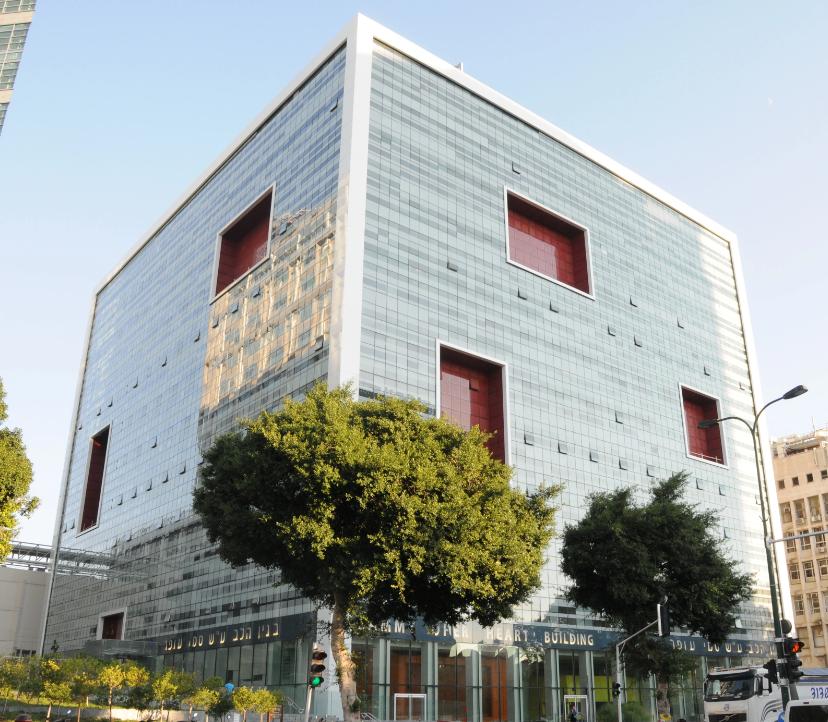
Ichilov is Israel’s largest multidisciplinary hospital and a cornerstone of the nation’s medical system. Within its modern complex lies the Oncology Division, a vast and highly specialized center dedicated to the diagnosis, treatment, and research of cancer. According to the hospital’s official website, it is one of the most advanced oncology facilities in the Middle East, combining state-of-the-art technology, personalized treatment strategies, and multidisciplinary expertise under one roof.
Every year, thousands of international patients arrive here — including many from the U.S. — seeking care for conditions such as breast cancer, lung cancer, prostate cancer, colorectal cancer, melanoma, and hematologic malignancies. What they find is a world-class center that mirrors the standards of leading American cancer institutes — often with faster access to care and a more individualized approach.
In the United States, oncology patients can wait weeks or even months for appointments, scans, and surgeries. At Ichilov, that delay doesn’t exist. The hospital’s International Medical Tourism Department coordinates every step of the journey — from the remote review of medical documents to rapid scheduling of diagnostics and treatment.
Patients are often seen by top oncologists within days of arrival, with all necessary imaging and lab work performed in-house. “Time is the most valuable currency in cancer care,” says one of the department’s coordinators. “Here, we make sure patients don’t lose it.”
For many Americans seeking timely, world-class treatment, the promise of no waiting lists and immediate access to specialists is reason enough to cross an ocean.
At Ichilov’s Oncology Center, cancer is not treated as a single disease but as a complex biological puzzle unique to each patient. The hospital’s philosophy is rooted in precision medicine — the customization of therapy based on genetic, molecular, and immunological characteristics of the tumor.
Each case is reviewed by a multidisciplinary tumor board, where oncologists, radiologists, pathologists, surgeons, and genetic counselors collaborate to design a treatment plan tailored to the patient’s profile. “It’s not a one-size-fits-all approach,” says one of the attending oncologists. “We treat people, not just tumors.”
Among the tools of modern oncology practiced at Ichilov are:
Ichilov’s Breast Oncology Unit is one of Israel’s most advanced centers for diagnosis and treatment of breast malignancies. Patients benefit from high-resolution imaging, same-day biopsies, and advanced reconstructive surgery following tumor removal. Genetic counseling and BRCA mutation testing are available for high-risk patients — an area of special interest for American women with hereditary cancer risks.
For patients diagnosed with lung cancer, the hospital offers an integrated approach that includes low-dose CT screening, minimally invasive thoracic surgery, and novel therapies such as checkpoint inhibitors and molecularly targeted drugs. The Thoracic Oncology Service collaborates closely with the pulmonology and radiology departments to ensure seamless care.
Ichilov’s Uro-Oncology Department provides robotic-assisted prostatectomies, radiation therapy, and advanced diagnostics, including PSMA PET-CT imaging. For many American men, the ability to access these technologies without waiting — and at a fraction of the cost of U.S. private care — is a major advantage.
The Colorectal Oncology Unit specializes in both surgical and non-surgical treatments, integrating advanced laparoscopy, targeted therapy, and immunotherapy for metastatic disease. Ichilov’s colorectal surgeons have completed fellowships in the United States and Europe, ensuring world-class expertise in complex procedures.
Israel’s high sun exposure has made melanoma research a national priority. Ichilov’s Dermato-Oncology Center leads in early detection, mole mapping, and immunotherapy for advanced skin cancers. The hospital also participates in international clinical trials, giving patients access to next-generation drugs years before their global approval.
Under the guidance of Professor Ron Ram, Ichilov’s Hematology and Bone Marrow Transplantation Unit is one of the leading centers in Israel for leukemia, lymphoma, and myeloma. The department performs both autologous and allogeneic stem cell transplants and collaborates with top research institutions worldwide to implement CAR-T cell therapy and other immuno-oncological innovations.
Ichilov’s oncology specialists are among the most internationally trained in Israel. Nearly all senior physicians have completed fellowships and postdoctoral training in leading American and European cancer centers, including MD Anderson, Memorial Sloan Kettering, Dana-Farber, and Stanford University Medical Center.
This transnational background ensures that treatment protocols align with global best practices — but with a uniquely Israeli emphasis on adaptability, efficiency, and multidisciplinary teamwork. Many Ichilov doctors also hold academic positions at Tel Aviv University, lead clinical research, and publish regularly in international medical journals.
“The Israeli medical culture combines Western precision with innovation,” says a senior oncologist. “We are trained in the same schools as our American colleagues, but we have the flexibility to implement new methods faster.”
As part of Tel Aviv University’s Sackler Faculty of Medicine, Ichilov functions not only as a hospital but also as a research center. The Oncology Division is deeply involved in translational research, where discoveries from the lab move quickly into patient care.
Current research initiatives include:
This integration of research and clinical practice allows Ichilov to offer its patients access to experimental therapies and clinical trials that are often unavailable elsewhere.
For many international patients, the experience at Ichilov is defined by efficiency and empathy. From the first contact, every step is streamlined: electronic record sharing, rapid diagnostics, and continuous communication in English.
The hospital’s International Patient Department arranges:
The goal is simple — to ensure that no time is lost between diagnosis and treatment, a critical factor in oncology where every day matters.
Ichilov’s success reflects a broader transformation in Israel’s healthcare system — one that blends public medical excellence with international accessibility. For U.S. patients, the appeal lies not only in medical innovation but also in the human approach: personal coordinators, constant communication, and an atmosphere of trust.
As global medical tourism grows, Ichilov stands as a model of how a national hospital can serve both local and international patients without compromising quality.
Cancer care today is about more than medicine — it’s about time, trust, and tailored treatment. At the Oncology Center of Ichilov Hospital, those values are inseparable.
Here, patients find cutting-edge therapies led by U.S.-trained oncologists, supported by precision diagnostics and compassionate coordination. They find treatment without waiting, access to world-class clinical trials, and a healthcare culture that measures success not only in survival rates but in lives rebuilt.
In an era when cancer care often feels impersonal and delayed, Ichilov offers something increasingly rare: global medicine with a human face — and no waiting line.