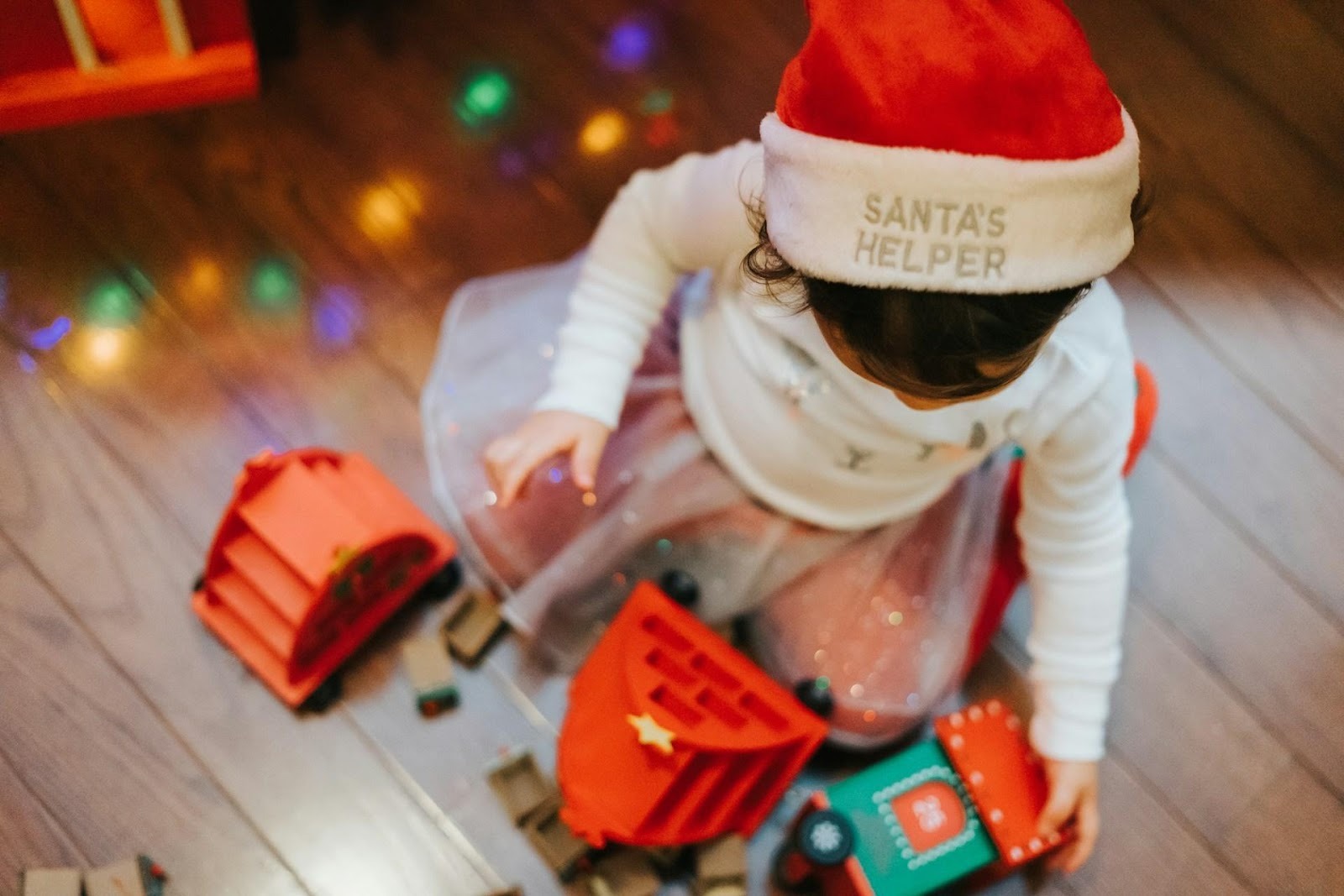
Christmas brings excitement, color, and activity to every household. Homes fill with decorations, visitors, and gifts, transforming familiar spaces into festive scenes. However, for families with young children, this cheerful chaos can also introduce new hazards. From electrical cords to top-heavy trees, holiday decorations often pose safety risks that go unnoticed until an accident happens.
Preparing early can make a home both festive and child-friendly. A few mindful adjustments (like securing furniture, managing clutter, and adding safe flooring) can significantly reduce risks.
Even small details, such as using washable rugs instead of ones that slip or stain, can make a noticeable difference in preventing falls and keeping high-traffic areas clean. The goal is to create a space where children can explore safely while everyone enjoys the celebrations without constant concern.
A Christmas tree is usually the centerpiece of the season and a potential hazard for curious toddlers. Trees are often tall, heavy, and decorated with bright, dangling ornaments that invite exploration.
To minimize risk, ensure the tree is positioned on a stable base and securely anchored, especially if pets or small children are present. Using wall anchors or positioning the tree in a corner can prevent tipping.
Fragile ornaments and hooks should stay near the top branches, while the lower sections can feature soft, shatter-resistant decorations. Lights should be checked for frayed cords and kept out of reach from little hands.
Battery-powered LED lights can be a safer alternative to plug-in strands that pose electrical risks. For extra safety, make sure outlets are covered when not in use and cords are tucked neatly away. The goal is a beautiful tree that shines safely through the holidays.
The living room often becomes the busiest area during the holidays. Rearranged furniture, new decorations, and stacks of gifts can quickly make this space difficult to navigate, especially for toddlers learning to walk or crawl. Keeping pathways clear reduces the chance of trips or bumps.
Corners of tables and furniture should be protected with guards, and shelves should be securely anchored to prevent tipping. Avoid using heavy decorative objects that can fall if pulled. Slip-resistant mats can help keep floors safe, and setting up proper lighting allows both adults and children to move around comfortably. These adjustments make it easier for everyone to enjoy gatherings without worrying about unexpected accidents.
The kitchen is the heart of the home during the holidays, but it’s also one of the most common places for household injuries. With multiple dishes cooking at once and guests moving in and out, it’s easy for a child to wander into a risky situation. Safety in the kitchen begins with simple steps, such as turning pot handles toward the back of the stove and using the rear burners whenever possible.
Knives, cleaning supplies, and alcohol should be stored out of reach, preferably in locked cabinets. Keep hot liquids and heavy dishes off counter edges, and designate a clear zone where children know they should not enter during cooking hours. Consider using safety gates or clear visual boundaries to separate the cooking area from play spaces.
Maintaining this structure helps meal preparation run smoothly while keeping children protected.
Bedrooms and playrooms often become temporary sanctuaries for children during busy holiday gatherings, but they still need attention when it comes to safety. Check for small decorations, detachable toy parts, or loose cords from blinds that could pose choking or strangulation risks.
Furniture, such as dressers and bookshelves, should be securely anchored to walls to prevent tipping. Keep decorations minimal in children’s rooms and make sure anything within reach is safe for handling.
Soft surfaces, safe storage bins, and clear floor space help create an environment where kids can play freely while adults focus on guests or meal preparations. Regularly checking toys for wear and tear also prevents small pieces from breaking off unexpectedly.
Bathrooms and laundry rooms are often overlooked during child-proofing but contain items that can cause harm.
Store cleaning agents, soaps, and detergents in locked cabinets or on high shelves. Keep electrical appliances such as hair dryers unplugged and stored away when not in use. Installing non-slip mats and maintaining dry floors helps prevent accidents in areas where water is often present.
Also, make sure trash bins have secure lids and that small objects, such as batteries or toiletries, are kept out of reach. These quick adjustments keep less-visible areas of the house just as safe as common spaces.
Child-proofing before Christmas is all about preparation that allows everyone to enjoy the season comfortably. A secure home makes it easier for children to explore safely and gives adults peace of mind. Happy holidays!