
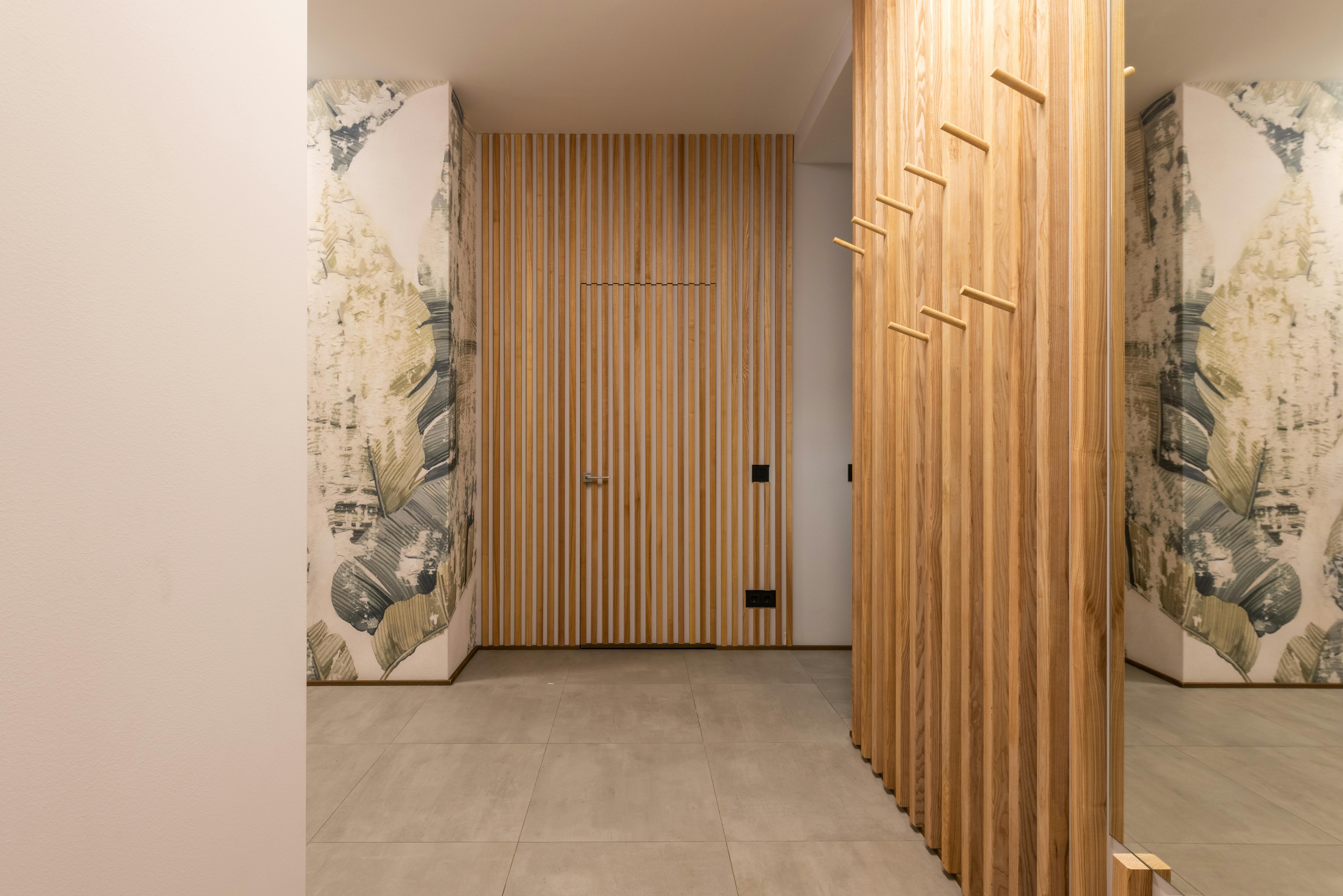
Step inside many newly renovated shore homes and you will notice the same quiet shift. Instead of glossy feature walls or heavy stone, you see clean vertical lines, warm wood tones, and soft, muted acoustics. Slatted wall designs feel right at the coast because they balance style with a sense of calm, which is exactly what many homeowners want after a long week on the Parkway.
Along the South Jersey barrier islands, interiors have to pull double duty. Spaces host big family gatherings, renters, and off-season work-from-home days. A design detail has to look good, hide wear and tear, and not feel dated after a single summer. Slatted walls, used thoughtfully, can give that modern but relaxed look that feels as natural as bare feet on a weathered deck.
Open-concept layouts are practically standard in newer shore construction. High ceilings and hard surfaces create bright spaces, but they also create echo. If you have ever tried to hold a conversation in a crowded great room while the game plays in the background, you know the soundtrack: clinking glasses, bouncing voices, and a faint headache by dessert.
That is where acoustically minded design earns its keep. Strategically placing textured finishes, including wood slat panels, helps break up sound reflections so rooms feel more intimate without sacrificing openness. Even a single feature wall behind a sofa or media unit can subtly soften the noise level while adding visual rhythm.
Not every surface needs treatment. Focusing on a few high-impact areas tends to deliver the best results and keeps the look from feeling overdesigned. In many coastal homes, three spots stand out: the main living room wall that faces the seating area, the dining nook that gets the most conversation, and the stairwell or entry hall that acts as a sound tunnel between floors.
Adding slats in one or two of those locations can turn an echoey box into something closer to a lounge. The change is more noticeable during rainy-day board games, movie nights, or holiday gatherings when everyone ends up indoors at once.
There is a fine line between a serene shore house and a space that looks like a themed restaurant. The key is to treat slatted walls as one layer in a broader palette, not the main attraction. Think of them as the quiet background singer that makes the rest of the band sound better.
Lighter finishes such as whitewashed pine, birch, or pale oak echo driftwood and sun-bleached docks. They tend to work well in smaller rooms or condos where every inch of light matters. Deeper tones like walnut can be striking in larger great rooms or primary suites, especially when paired with crisp white trim, but they will feel heavier in tight hallways or low-ceilinged spaces.
For rentals or high-traffic family homes, mid-tone finishes usually age more gracefully. Sand, sunscreen, and the occasional bike handle scrape are less obvious on a natural oak shade than on bright white paint. That matters when you are trying to squeeze in minor touch-ups between back-to-back summer guests.
Most people picture slats running vertically from floor to ceiling because that is the most popular approach. Vertical lines visually lift a room and pair well with tall windows and sliding doors facing the water. In long, narrow spaces like corridors, a horizontal run can help the room feel wider and more grounded.
Some designers mix directions, for example vertical slats on a TV wall and horizontal in a bench alcove. The trick is to limit the number of shifts within a single sightline. Too many changes in direction can feel restless, especially in compact shore homes where every wall is visible from somewhere else.
Every Jersey Shore house has “problem spots” that frustrate owners: an awkward staircase wall, a low-ceiling basement family room, a top-floor loft that is too echoey to enjoy. Slatted treatments can quietly correct some of those issues while elevating the look.
The wall that holds the television is a natural candidate. A slatted backdrop frames the screen, hides surface imperfections, and helps tame the sharp reflections from dialogue and sound effects. Homeowners who prefer a more subtle look can limit the slats to the area behind the media console and float simple shelves on either side to break up the expanse.
In homes where the living and dining areas share a wall, running the slats across both zones and defining them with rugs and lighting can visually link the spaces while still giving each area its own mood.
Slatted headboard walls have been gaining ground in coastal primary suites because they add texture without clutter. A full-height panel behind the bed can replace the need for a traditional headboard, which is helpful in tight rooms where every inch counts. Soft bedding, simple linen curtains, and a few woven details complete the look without fighting the wood.
In kids’ rooms or bunk rooms, using slats on a short accent wall or around a built-in daybed creates a defined “quiet zone” for reading or napping. The durable surface handles the inevitable scuffs better than drywall, and the added texture keeps the room from feeling boxy.
Sand, wet towels, and beach gear all funnel through the same few spaces. Many owners are turning those high-traffic areas into design moments. A slatted wall near the entry bench or along a stair adds structure and gives hooks, shelves, and lighting a clean backdrop.
For narrow staircases, a partial-height slatted treatment paired with a painted wall above can keep the space from feeling cramped. The rhythm of the slats draws the eye upward, while the plain section above stops the look from becoming overwhelming.
Shore properties come with their own set of quirks: fluctuating humidity, seasonal rentals, and sometimes a fast renovation timeline before Memorial Day. A few practical checks ahead of time will keep a slatted feature from becoming a headache.
Even in climate-controlled homes, humidity tends to spike in coastal areas. That makes stable construction and proper installation critical. Many homeowners work with installers who understand coastal conditions and can advise on appropriate finishes, expansion gaps, and backing materials so panels remain straight and secure over time.
Day to day, most slatted walls only need a soft dusting, though high-use areas may benefit from a slightly more durable topcoat. Choosing a finish that can be spot-repaired between seasons keeps things looking fresh without requiring a full refinish when the calendar turns to September.
Covering every surface in textured wood is not necessary to get the effect. For many Jersey Shore homes, a single carefully chosen wall has more design impact than an entire room wrapped top to bottom. Starting with the most visible or most echo-prone area lets owners gauge how the treatment feels in real life before expanding it elsewhere.
Those planning a renovation around rental income may focus first on highly photographed spots: the living room backdrop, the dining area, or the main bedroom. Thoughtful details show up instantly in listing photos and can help a property stand out without resorting to trend-heavy decor that will feel dated in a few seasons.
Every shore property has its own history. Some have been in the same family for decades, while others are fresh construction on a newly cleared lot. Slatted wall details can quietly reflect that story, whether you lean into a more contemporary look or nod to classic coastal cues like boat houses and boardwalk railings.
Owners who prefer a modern vibe might pair clean-lined slats with simple black hardware and minimal color. Those aiming for a softer, cottage feel often mix slats with painted shiplap, woven pendants, and vintage art. Both approaches work as long as the wood tone, direction, and scale relate to the architecture around them.
Thoughtful use of slatted walls will not compete with the real star of any Jersey Shore home: the light off the water and the people who gather there. When the design supports that experience, from quieter acoustics to calming textures, the house feels less like a project and more like the easygoing retreat so many people are searching for when they head over the bridge.







