
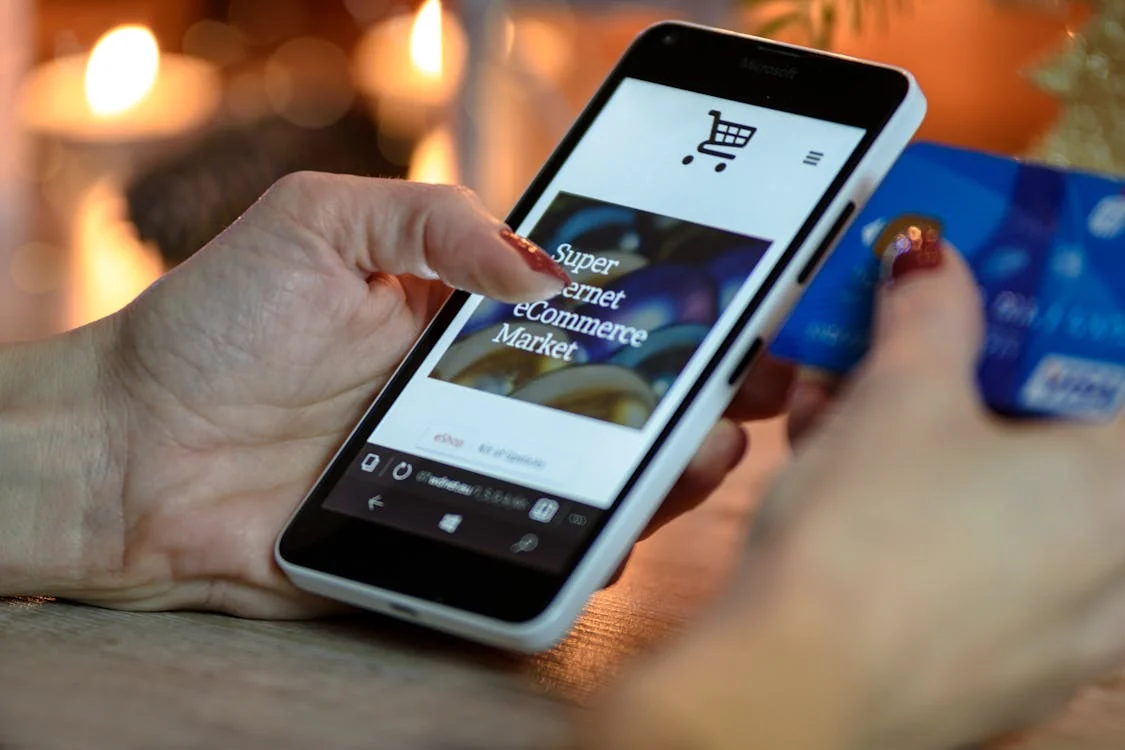
Many people buy things not because they need them but because spending provides a quick emotional lift. It’s often a response to boredom, stress, or the need for comfort. While such moments might feel harmless, they can quietly shape unhealthy financial habits over time. What starts as a small treat or impulse can turn into a pattern that weakens overall money control.
Managing money effectively today isn’t only about tracking expenses or sticking to a strict budget, but understanding the emotions that guide financial choices. Emotional awareness makes a real difference in how people handle their income, save for the future, and recover from financial mistakes.
Knowing how money moves in and out of your life is the starting point for financial control. Keeping track of income, bills, and everyday expenses provides a clear view of what’s being earned and where it’s going. Many people are surprised to find that their money disappears on things they don’t remember buying. Awareness here means change, so that people can plan their spending rather than reacting to it.
A good part of this awareness includes saving from your earnings. But how much of your check should you save? The answer depends on various factors. Setting aside savings right after receiving income helps avoid overspending and builds a sense of control. Thinking of saving as a regular expense rather than a leftover task helps stay disciplined and less likely to make emotional purchases later in the month.
Emotional spending often starts with feelings that are hard to manage. Stress, excitement, loneliness, or even celebration can push someone to buy without thinking. The action of purchasing gives a sense of comfort or reward, even if it’s temporary. Identifying emotional moments is an important step in reducing unnecessary purchases.
Slowing down before spending helps break the link between emotion and action. Taking a few minutes to think about why something feels necessary can make a difference.
Shopping can feel like a quick solution to emotional discomfort, but it usually provides only short relief. Many people reach for their phones or browse stores when they feel restless or anxious, creating a habit that drains money without offering real satisfaction. Recognizing when emotions, not needs, drive spending helps stop the pattern before it starts.
Replacing emotional spending with simple, low-cost habits can help shift focus. Activities like reading, exercising, or connecting with friends create genuine relief without financial consequences. Making time for small routines that bring comfort or engagement reduces the urge to spend impulsively.
Social influence plays a quiet but powerful role in spending habits. The pressure to match what others have or what’s shown online can lead to unnecessary expenses. Whether it’s upgrading a car, buying new clothes, or dining out more often, comparison often drives emotional decisions. This kind of pressure can make people feel they need to prove success through their lifestyle rather than through stability or security.
Recognizing this influence helps regain control over financial priorities. When people focus on what truly matters to them instead of what looks impressive to others, spending becomes more thoughtful. Aligning choices with personal goals rather than trends allows for a sense of satisfaction that doesn’t rely on outside validation.
Everyday decisions reflect personal values and shape financial behavior. Some people value convenience, while others prioritize comfort or appearance. Such preferences influence where money goes and how much is saved. Understanding personal motivations helps identify which habits support stability and which create unnecessary strain.
Taking a closer look at how lifestyle decisions connect to money helps set priorities. Choosing what truly adds value helps reduce emotional spending while keeping life enjoyable. It’s not about giving up what feels good but about spending with purpose. Once lifestyle choices are guided by self-awareness, financial habits start to feel more natural and sustainable.
Many emotional purchases seem small and harmless, which makes them easy to overlook. A cup of coffee here or a quick online buy there might not feel like much in the moment. Over time, though, such minor expenses can add up and quietly affect financial stability. This type of unnoticed spending usually comes from habits rather than intention, which is why it’s so common.
Keeping a simple record of everyday purchases helps uncover where money is slipping away. Even tracking expenses for a week can reveal spending that doesn’t match real needs. Once the patterns are visible, it becomes easier to adjust behavior and focus on what truly matters.
There’s a strong connection between emotional well-being and financial behavior. When someone feels anxious or discouraged, money decisions tend to become reactive instead of thoughtful. Financial stress can lead to impulsive spending, while poor spending habits can increase emotional strain. It’s a cycle that affects both mental balance and financial stability.
Developing calm and mindful habits around money helps break this cycle. Setting small, achievable goals, like saving a set amount each week or avoiding impulse purchases for a month, can bring a sense of control.
Small, frequent expenses have a way of growing without notice. Such little “treat yourself” moments often seem too minor to worry about, but can add up to a significant amount over time. This slow buildup reduces savings and increases financial pressure later on. Recognizing that every purchase, big or small, has an impact helps develop a more intentional spending mindset.
One helpful approach is to review spending at the end of each week. Seeing the total of minor expenses gives perspective on how they affect long-term goals.
Feeling regret after emotional spending is common. People often respond by tightening their budgets too harshly or avoiding financial planning altogether. This guilt-driven behavior makes it harder to build consistent habits. Instead of punishing yourself for past mistakes, it’s more effective to understand why the spending happened and how to handle similar situations in the future.
Taking a balanced approach helps prevent cycles of guilt and overcorrection. Acknowledging emotional spending without judgment turns it into a learning moment rather than a setback.
Developing the ability to make money decisions without emotional influence takes time and awareness. It starts with small steps like waiting a day before making non-essential purchases or asking whether an item adds real value. Creating clear boundaries between emotional reactions and financial actions builds discipline naturally.
Mindful money habits help create peace of mind. Setting spending limits, preparing short-term savings goals, and tracking emotional triggers all contribute to better control. As emotional awareness grows, financial stability often follows.
Emotional spending often begins quietly, rooted in habits and feelings that go unnoticed. Building awareness, setting realistic goals, and understanding the emotions behind financial choices can reshape how people handle money. With time and mindfulness, emotional spending loses its hold, allowing financial decisions to reflect genuine needs and lasting stability.







