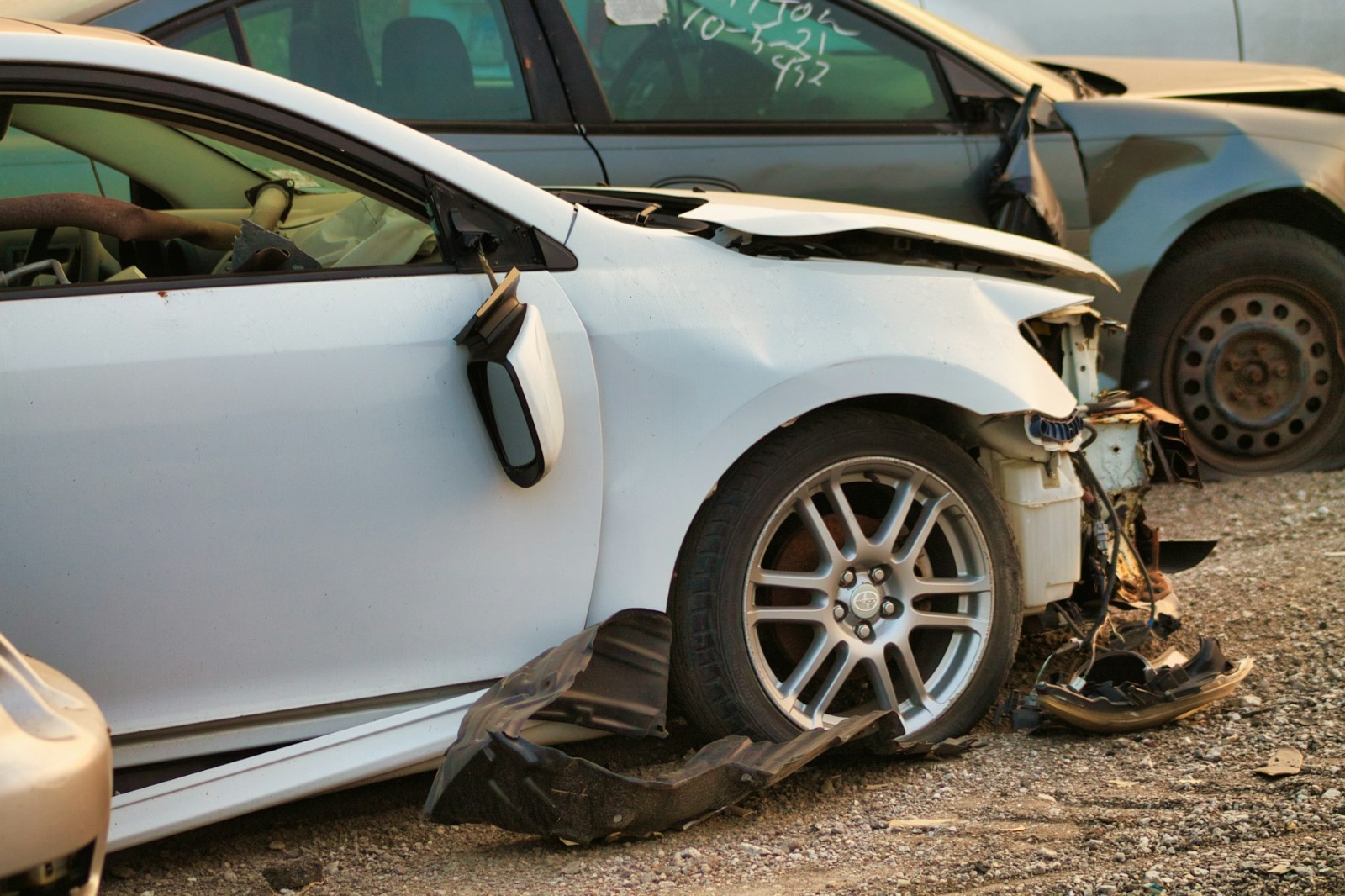
A low-speed crash might look minor from the outside, maybe just a dented bumper or a few scratches on the door. But inside the vehicle, the story can be very different. Even slow collisions can whip your body forward, snap your neck back, or twist your spine in ways you don’t expect. Many people walk away thinking they’re okay, only to wake up in pain hours or days later.
The truth is that the force inside a car doesn’t always match what you see on the outside. Seatbelts, airbags, and cramped seating positions can put your body in vulnerable spots during impact. Low-speed accidents often catch people off guard because they think “a small crash means a small injury.” Understanding what really happens inside your body and what steps you should take is crucial to protecting your health.
Many drivers underestimate low-speed collisions because they don’t involve dramatic damage. But your body absorbs sudden motion differently than metal does. Even a slight jolt can strain ligaments, stretch muscles, or compress joints. Pain often takes time to appear, making injuries harder to recognize right away.
Your position during impact matters more than the speed. If you’re turned sideways, reaching for something, or caught off guard, your body has no time to brace. These awkward angles can cause surprising injuries like shoulder tears or lower back strain. That’s why many injured passengers reach out to an experienced accident law firm in Clearwater, FL, to understand the hidden impact of these crashes and how to get help.
Each crash creates forces that move through the vehicle and into your body. Seatbelts restrain you, but that restraint can also cause chest bruising or shoulder injuries. Your head and neck move last, which increases the risk of whiplash. Even a five-mile-per-hour collision can accelerate the neck faster than your muscles can react.
Low-impact crashes also produce twisting motions because cars rarely collide in perfect straight lines. This twisting can affect the spine, hips, and knees. What looks like a simple fender bender may involve multiple forces working against your body at once. Understanding this helps explain why your pain might feel worse than the crash looked.
Low-speed accidents often create injuries that people don’t associate with car crashes at all. Instead of dramatic trauma, these collisions tend to cause subtle damage to the body’s “support systems”—the muscles, connective tissues, joints, and nerves that keep you moving. For example, many people develop jaw pain from the way their teeth clench during impact, or shoulder inflammation from the seatbelt locking suddenly. These injuries feel strange because they’re not always tied to obvious bruises or swelling.
Another surprising issue is how the body reacts hours after the accident. The nervous system stays in “alert mode,” tightening muscles and amplifying discomfort long after the crash ends. Some people even experience balance problems or unexplained fatigue as their body tries to recover. These symptoms often appear slowly, making them easy to overlook. Understanding how the body reacts helps explain why low-speed collisions can cause lingering, confusing pain.
Even low-speed crashes can interrupt your routine in unexpected ways. Stiffness or soreness may keep you from lifting items, sitting for long periods, or sleeping comfortably. Some people experience delayed symptoms that make it difficult to focus or perform daily tasks. Minor injuries can snowball quickly without early treatment.
Medical care becomes even more important when symptoms worsen instead of fading. Ignoring the pain can lead to chronic issues, especially if muscles or joints are overworked while healing. Taking your injury seriously protects your long-term health. It’s better to get checked early than to deal with long-lasting effects later.
In many low-speed crashes, fault isn’t as simple as one driver making a mistake. Sometimes, both cars creep forward at the same time, or one driver stops too suddenly, or a nearby obstruction forces someone to swerve. These “shared fault” scenarios are extremely common in parking lots, residential streets, and bumper-to-bumper traffic. When this happens, passengers often feel stuck in the middle, unsure which insurance policy should cover their injuries.
A professional legal team can analyze camera footage, impact points, movement angles, and driver statements to untangle what actually happened. Even when both drivers share some responsibility, passengers still have a clear path to compensation because they didn’t contribute to the crash. Understanding these options protects you from being brushed aside by insurance companies that want to blame “minor impact” instead of addressing real injuries. Having someone guide you through this process makes the outcome far more manageable.
Low-speed crashes often produce delayed symptoms, which trick people into thinking they’re fine. But early evaluations can catch issues like internal swelling, alignment problems, or mild concussions. Waiting too long creates gaps in your medical record that insurers may use against you. Prompt care protects both your health and your legal claim.
Doctors may recommend rest, physical therapy, imaging tests, or chiropractic adjustments. Following through with treatment prevents minor injuries from turning into chronic pain. Even if your symptoms seem small, documenting them helps build a clear timeline. Your long-term stability depends on early, consistent attention.
After any collision, even a slow one, it’s important to take steps that protect your health and your rights. Here’s what to do right away:
These simple steps help secure your claim and ensure you get the care you need.
Recovery from a low-speed accident is often slower than people expect. Rest, gentle movement, and following your doctor’s plan help your body heal properly. Ignoring discomfort or trying to “tough it out” usually leads to setbacks. Healing requires patience, consistency, and support.
With proper care and documentation, most people recover fully from low-impact injuries. Getting the right guidance—both medical and legal—helps protect your physical and financial well-being. A small crash may feel minor, but your health is never something to take lightly. Paying attention early helps you move forward with strength and confidence.