

For collectors and literary enthusiasts alike, the appeal of first editions extends far beyond their age or rarity. From treasured classics to contemporary masterpieces, owning a first edition offers a tangible connection to the author’s original vision, a glimpse into the history of publication, and a form of cultural preservation that appeals to both the heart and the intellect.
Many enthusiasts of vintage books understand that they are artifacts that embody the moment in which a literary work first entered the world. This initial print run often captures the nuances of typography, cover design, and binding choices that may never be reproduced in later editions, making these books uniquely valuable.
These copies represent the first time a work was made available to the public, often capturing the author’s original intent before revisions or subsequent editions altered content. For historians, literary scholars, and collectors, owning a first edition is akin to holding a piece of literary history in their hands.
Consider classic works like Pride and Prejudice or The Great Gatsby: the first edition of these novels provides insight into the publishing standards, cultural influences, and market reception at the time of release. Marginalia, errors, or unique printing quirks present in early copies can further illuminate the historical context, making each first edition not only a collectible but also a valuable research tool.
Rarity is an intrinsic factor in the value of first editions. By definition, a first edition exists in a limited initial print run, meaning that only a finite number of copies were produced. Over time, many of these copies are lost, damaged, or otherwise removed from circulation, increasing the scarcity of remaining pristine editions.
Collectors are drawn to this scarcity because it confers exclusivity. A first edition in excellent condition, particularly one with original dust jackets or special bindings, often commands a premium price in the marketplace. The combination of limited supply and high demand ensures that first editions remain sought after, maintaining their financial and cultural value over decades.
First editions offer collectors a direct connection to the author’s original work, sometimes even bearing signatures, inscriptions, or personal dedications that enhance their uniqueness. This connection, known as provenance, significantly impacts both the sentimental and monetary value of the book.
Provenance can include the book’s journey from the author to its first owner, to subsequent collectors, creating a narrative that adds depth to the item’s significance. In many cases, first editions with verifiable provenance become coveted collector’s items, prized not only for the text itself but for the story behind the copy’s ownership and preservation.
While rarity is important, the condition of a first edition is equally critical in determining its value. Collectors evaluate aspects such as binding integrity, page quality, presence of original dust jackets, and minimal signs of wear or damage. Even minor imperfections, like foxing or a creased cover, can affect desirability and market price.
Preservation techniques, including controlled storage environments, acid-free materials, and careful handling, play a vital role in maintaining a first edition’s value over time. Well-preserved first editions not only retain financial worth but also continue to offer aesthetic and intellectual pleasure for collectors, scholars, and readers alike.
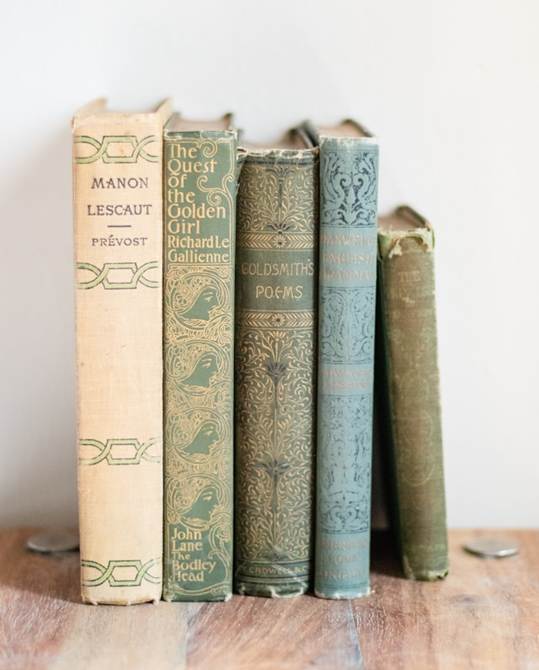
First editions hold a unique cultural significance, representing a literary work at its moment of debut. They often reflect the societal context in which the work was written, including prevailing social norms, publishing trends, and technological limitations in printing. This cultural resonance contributes to the enduring appeal of first editions among collectors who value both the literary and historical dimensions of the work.
Additionally, first editions can shape a collector’s perception of an author’s influence. Owning the initial release of a book that went on to redefine genres, influence other writers, or spark social movements allows collectors to feel intimately connected to the broader impact of literature on society.
Beyond aesthetic and historical considerations, first editions are increasingly recognized as a stable financial investment. Rare books often appreciate over time, particularly when the author gains prominence or when the work achieves classic status. The intersection of scarcity, condition, and market interest makes first editions a sought-after asset in the collectibles market.
Investors often look to first editions of notable works to diversify portfolios, combining the pleasure of literary ownership with potential financial gain. Limited supply, combined with the continued global interest in literature, helps ensure that the market for first editions remains active, with prices often rising at auctions or private sales.
First editions frequently feature original cover art, typography, and binding designs that are not reproduced in later printings. This artistic element adds another layer of appeal, making first editions desirable not only for reading but also for display and aesthetic appreciation.
Illustrations, dust jackets, and unique design choices in early editions can provide insight into the visual trends of the time and the publisher’s vision for the book. For collectors, these elements transform a first edition into a multifaceted artifact, blending literary content with artistic expression.
For many collectors, the value of a first edition transcends monetary considerations. Owning a first edition fosters an emotional and intellectual connection to the work, the author, and the period in which it was created. This connection can inspire a deeper appreciation for literature, encouraging collectors to preserve and share these works with future generations.
The tactile experience of handling a first edition; the feel of the paper, the scent of the pages, and the sight of original print details, adds a layer of engagement that modern reprints or digital editions cannot replicate. This sensory and emotional dimension reinforces the enduring appeal of first editions as cherished possessions.
For enthusiasts of literature and collectors alike, first editions are far more than mere books - they are artifacts of history, design, and human creativity. Through careful preservation, appreciation of provenance, and understanding of market dynamics, first editions continue to command attention and admiration, ensuring that their legacy endures for generations to come.







