For cat owners, the daily chore of scooping litter boxes can feel like an endless battle against odors, mess, and time constraints. Between managing work schedules, family responsibilities, and maintaining a clean home, finding time for consistent litter box maintenance often becomes overwhelming. self cleaning litter boxes have emerged as a revolutionary solution, promising to transform this tedious task into an automated, hands-off experience. However, with numerous models flooding the market, each boasting different features and technologies, choosing the right one requires careful consideration. This guide will walk you through the essential factors to evaluate, from cleaning mechanisms and waste management to smart monitoring capabilities and cost efficiency. Whether you're a busy professional, multi-cat household owner, or simply seeking a more hygienic solution, understanding these key elements will help you make an informed decision that benefits both you and your feline companions.
Self-cleaning litter boxes represent a significant leap forward in pet care technology, offering transformative benefits for both cats and their owners. The most immediate impact is the dramatic reduction in daily maintenance time - what once required 10-15 minutes of manual scooping now takes mere seconds to oversee. This time savings compounds significantly for multi-cat households, freeing up hours each week for quality time with pets instead of cleaning after them. Beyond convenience, these systems employ sophisticated odor control mechanisms, typically combining activated carbon filters with sealed waste compartments to maintain fresher air quality throughout the home. This enhanced hygiene management is particularly valuable for apartment dwellers or homes where the litter box must be placed in living areas. The psychological benefits are equally compelling - eliminating the stress and guilt of delayed cleaning during busy periods while ensuring cats always have access to a clean bathroom space. When compared to traditional litter boxes, automated systems demonstrate superior waste separation, reduced litter tracking, and more consistent maintenance, leading to improved long-term cat health and happiness. The initial investment is quickly offset by optimized litter usage and the invaluable gift of time returned to pet owners.
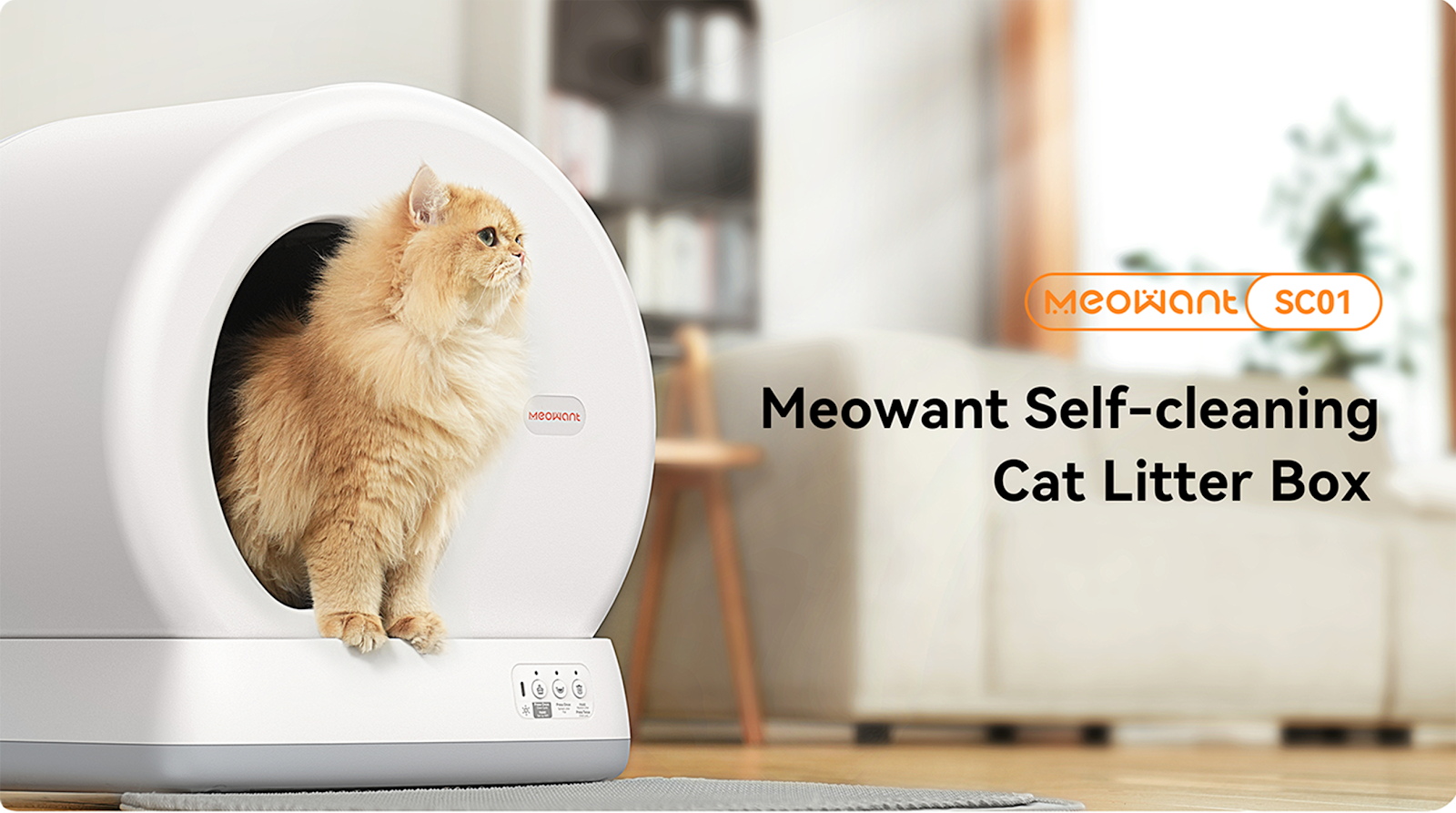
Modern self-cleaning litter boxes employ diverse cleaning mechanisms, each offering unique advantages. Rake systems methodically comb through litter, separating waste with precision while minimizing disturbance. Rotating drum designs provide thorough cleaning by gently tumbling litter through specialized filters. Advanced gravity-based systems like those found in Meowant units leverage natural forces to separate waste, operating silently and requiring fewer moving parts. Most units feature sophisticated sensor arrays that detect cat presence and usage patterns, initiating cleaning cycles only after your pet has safely exited. The quietest models typically utilize gradual movement technologies, operating at around 30-40 decibels – comparable to a whispered conversation.
Effective waste management systems incorporate large-capacity compartments that typically accommodate 7-10 days of waste for single-cat households. Premium models feature carbon-filtered, hermetically sealed containers that prevent odor molecules from escaping. High-efficiency designs minimize the need for frequent emptying through waste compression technology. Advanced anti-tracking systems combine stepped entrances with specialized litter mats to capture scattered granules before they reach your floors.
Safety-conscious designs maintain entrance heights between 5-6 inches, ideal for most cats while preventing excess litter scatter. Integrated motion sensors immediately halt cleaning cycles if movement is detected. Protective shields around mechanical components eliminate pinch points and prevent curious paws from accessing moving parts. For anxious cats, gradual introduction features like delayed start times and quieter initial operations help build confidence. Many models include adjustable entry points to accommodate senior cats or those with mobility challenges.
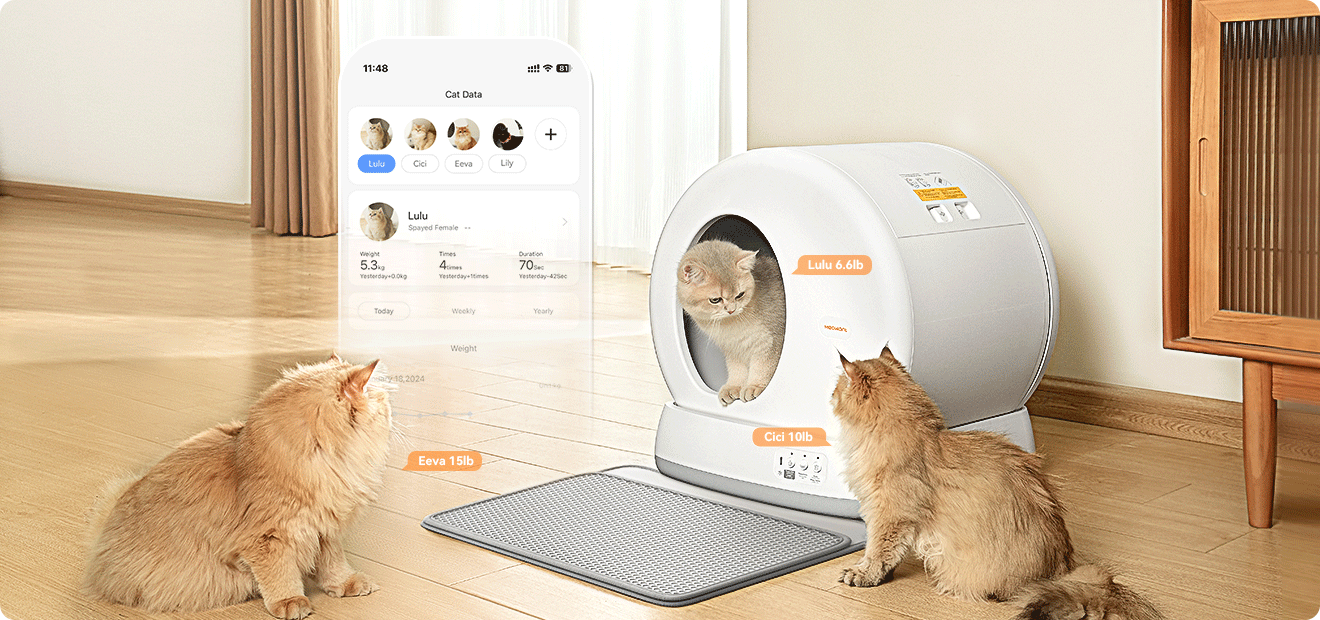
Modern self-cleaning litter boxes have evolved beyond simple waste management into sophisticated health monitoring systems. These smart devices incorporate precision weight sensors that track your cat's body mass with each visit, helping detect subtle changes that could indicate obesity or sudden weight loss – crucial early warning signs for conditions like diabetes or hyperthyroidism. The systems monitor usage patterns, automatically flagging unusual changes in frequency that might suggest urinary tract infections or digestive issues. Advanced analytics track elimination patterns, including volume and timing, creating detailed health profiles that veterinarians can use for more accurate diagnoses. Many units now seamlessly integrate with veterinary health platforms, allowing direct data sharing during consultations. The monitoring accuracy typically achieves 95% precision in weight measurements and timing data, though results can vary based on multi-cat households and environmental factors. This technology transforms routine waste management into a proactive health surveillance system, enabling early intervention for potential health issues before they become serious concerns. For pet owners, this means fewer emergency vet visits and better long-term health outcomes for their feline companions.
Self-cleaning litter boxes incorporate sophisticated litter conservation systems that significantly reduce waste and optimize usage. Most advanced models feature precision sifting mechanisms that separate clean litter from waste, extending litter life by up to three times compared to traditional boxes. While premium crystal and silica litters cost more initially, their superior absorption and odor control properties mean less frequent changes, typically lasting 30 days per cat. Clay litters remain compatible with most systems but require more frequent replacement due to dust accumulation and clumping characteristics. The built-in filtration systems generally need replacement every 3-4 months, though this varies based on usage patterns and cat count. Energy consumption remains minimal, averaging 1-2 kWh per month – equivalent to running a small LED bulb. When calculating return on investment, consider the monthly savings from reduced litter consumption (typically 25-40%), eliminated need for manual scooping tools, and decreased frequency of complete litter changes. Most households recover their initial investment within 12-18 months through reduced litter expenses alone, with additional value gained from time savings and improved hygiene standards.
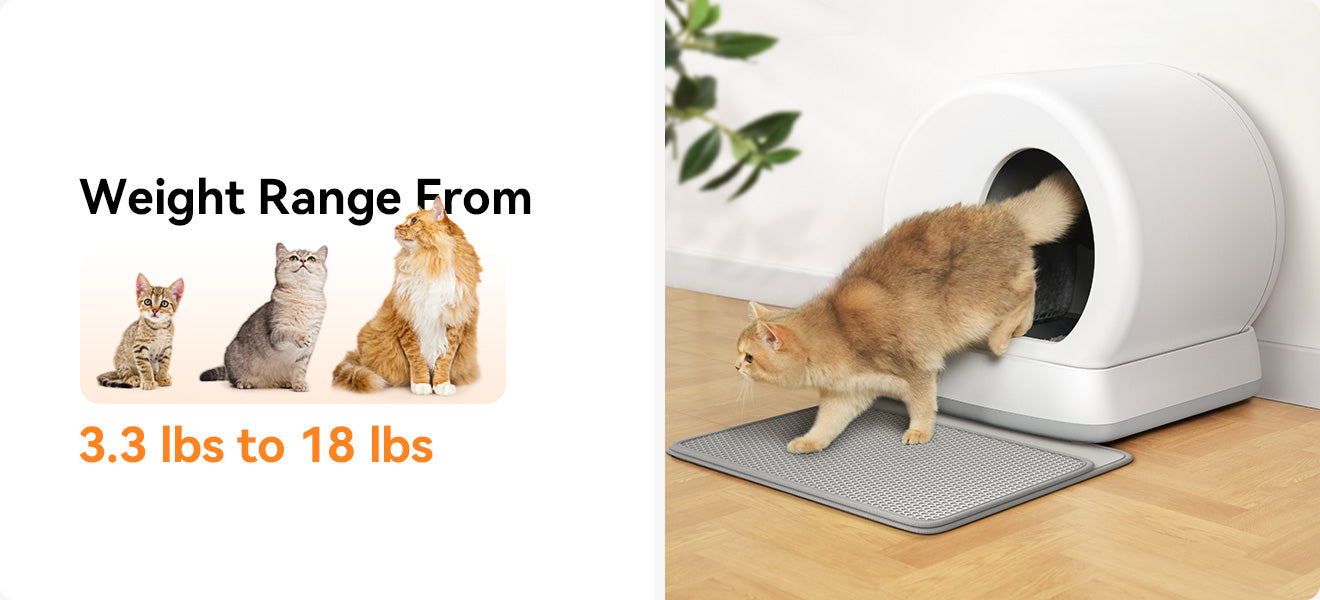
Begin your selection process by evaluating your household's specific requirements. Count the number of cats using the litter box and note their sizes – larger cats need more spacious units while smaller ones may struggle with high entries. Measure your available space carefully, considering both width and depth requirements plus additional clearance for maintenance access. When determining your budget, factor in not just the initial purchase price but also ongoing costs like replacement filters and specialized litter. For homes with elderly cats, assess mobility needs such as lower entry points and non-slip surfaces.
Create a detailed comparison matrix focusing on essential specifications like cleaning mechanism type, waste capacity, and safety features. Research brand reliability through verified user reviews, particularly those from long-term owners. Evaluate noise levels in the context of your home layout – units rated above 45 decibels may disturb sleep in nearby rooms. Compare warranty terms carefully, noting coverage duration and whether parts replacement is included. Investigate customer support responsiveness through social media and review platforms.
Once selected, introduce your cat to the new box gradually by placing it next to their existing litter box for dual access. Position the unit away from food areas and in a quiet, accessible location with good ventilation. Establish a weekly maintenance schedule including waste bin emptying, filter checks, and sensor cleaning. Address common issues proactively – if your cat shows hesitation, try using their familiar litter type initially or using positive reinforcement with treats near the new box.
Selecting the right self-cleaning litter box requires careful consideration of three fundamental pillars: feature functionality, health monitoring capabilities, and long-term cost efficiency. Rather than following market trends, focus on matching your specific household needs with the most suitable technology. Consider your cat's age, size, and temperament alongside practical factors like available space and maintenance requirements. While the initial investment may seem substantial, the cumulative benefits of time savings, improved hygiene, and reduced litter consumption typically justify the expense within the first year. Advanced health monitoring features provide invaluable early warning systems for potential health issues, while automated cleaning ensures consistent waste management regardless of your schedule. By thoroughly evaluating your needs and following a systematic selection process, you can confidently transition to a self-cleaning system that enhances both your daily life and your cat's well-being. Take the next step toward stress-free cat ownership by investing in a solution that aligns with your lifestyle while prioritizing your feline companion's comfort and health.