Summer temperatures are rising. It’s not just an anecdote anymore. According to the Wisconsin State Climatology Office, Wisconsin has seen a big leap in the number of very warm nights (70+ degrees). It used to be three per year in the 1950s, and it’s now eight.
With that comes the need to get your air-conditioning system right. Choosing the right unit isn’t always as straightforward as it should be. The size of your home, its installation requirements, and its energy efficiency are all factors in the equation. Whether it’s an upgrade or a first installation, working with professionals can make the difference between a mediocre cooling system and one that meets all your needs. Here’s the process to help:
No two homes are alike, and neither are their cooling requirements. Before you choose an air-conditioning system, you need to consider:
A universal approach rarely delivers good results. A compact apartment won’t have the same needs as a larger home. The former might stay perfectly cool with a ductless system. For the latter, you might need the power of central air to maintain consistent temperatures across multiple rooms. When you assess your home’s needs accurately, you can avoid getting an underpowered or overpowered system that wastes energy and money.
One of the most important considerations is energy efficiency. Units are rated by Seasonal Energy Efficiency Ratio (SEER). Higher numbers are typically better. Models that have Energy Star certification also meet strict standards for reduced energy consumption.
Energy-efficient units do cost more upfront but they can lower your bills significantly. And they are better for your home’s carbon footprint. The long-term saving makes them a good financial and environmental choice. Especially as electricity rates are on the rise.
Knowing what’s available and understanding their differences makes the decision easier.
Central AC: This is ideal for whole-home comfort. These systems use ducts to distribute air evenly. Cooling is consistent. They require extensive installation if you don’t have existing ductwork.
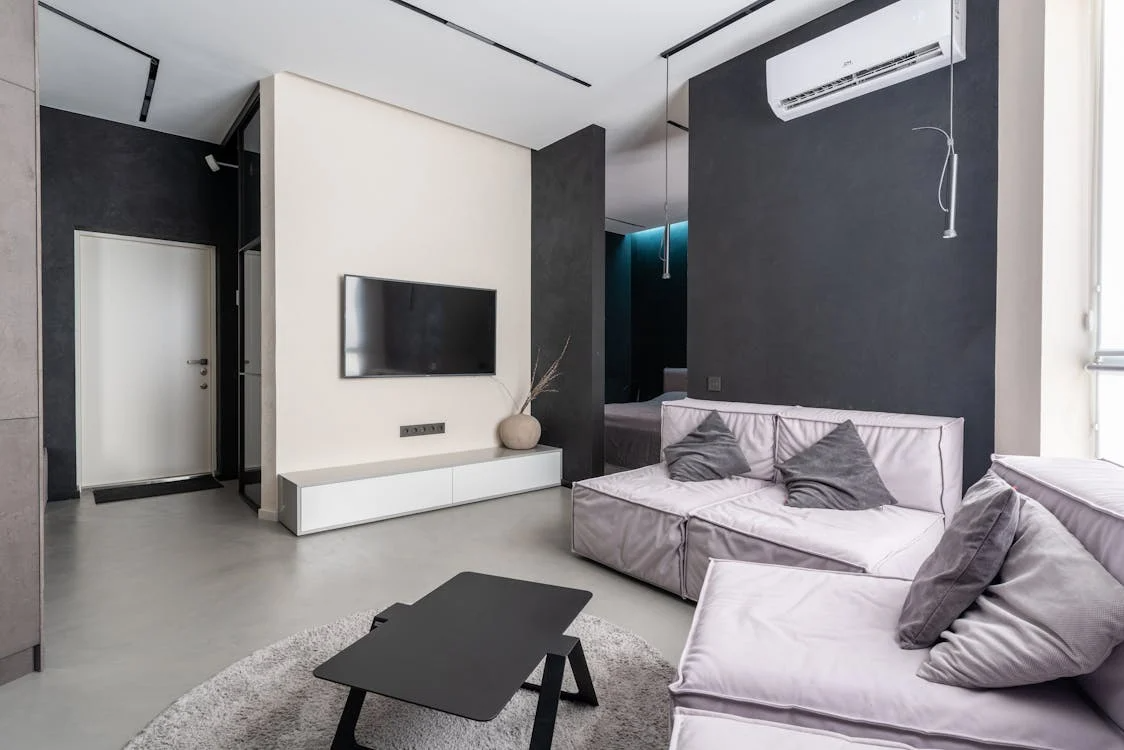
Ductless mini-split systems: These are flexible. They’re great for add-ons, older properties, or if you have rooms without ducts. They’re efficient and allow you to zone the AC, but upfront costs are higher.
Window or portable units: These are the most budget friendly. They are good for cooling individual rooms. However, they are less efficient and are not designed for whole-house coverage.
Each type has its own advantages and disadvantages. It’s important to choose appropriately for your property, budget, and long-term plans.
Even the best system won’t perform at its best unless it’s properly installed. Professional installation means the unit runs efficiently and maintains its warranty coverage. Ongoing maintenance is also essential. You’ll need filter changes and annual inspections. These can extend the lifespan of your air-conditioning system and prevent expensive repairs or breakdowns. With expert installation from a trusted New Berlin air conditioning service, your unit will run more efficiently for longer.
Choosing your air conditioning system means more than picking the first unit within your budget. When you take the time to look at everything beforehand, you will enjoy a cooler home, reduced energy bills, and the reassurance that your investment will last you for years to come.