Heard the term “post-truth?” It’s not outright lying it’s more about manipulating the truth to guide your thoughts, decisions, and actions in a certain direction. And that’s one of the biggest challenges of modern communication. In a world where something happens every second, it’s easy to steer narratives for maximum gain. Fortunately, there’s an accessible antidote for everyone: critical thinking. And the good news? You don’t need extreme effort to develop it – you can actually improve your skills in a fun and engaging way. Here’s how.
For some reason, games have gotten a sort of bad reputation. People say they’re a waste of time, a distraction from what really matters, and a cause of addiction. But the truth is, games offer a whole universe of benefits – with only a small drop of downside, which exists in everything.
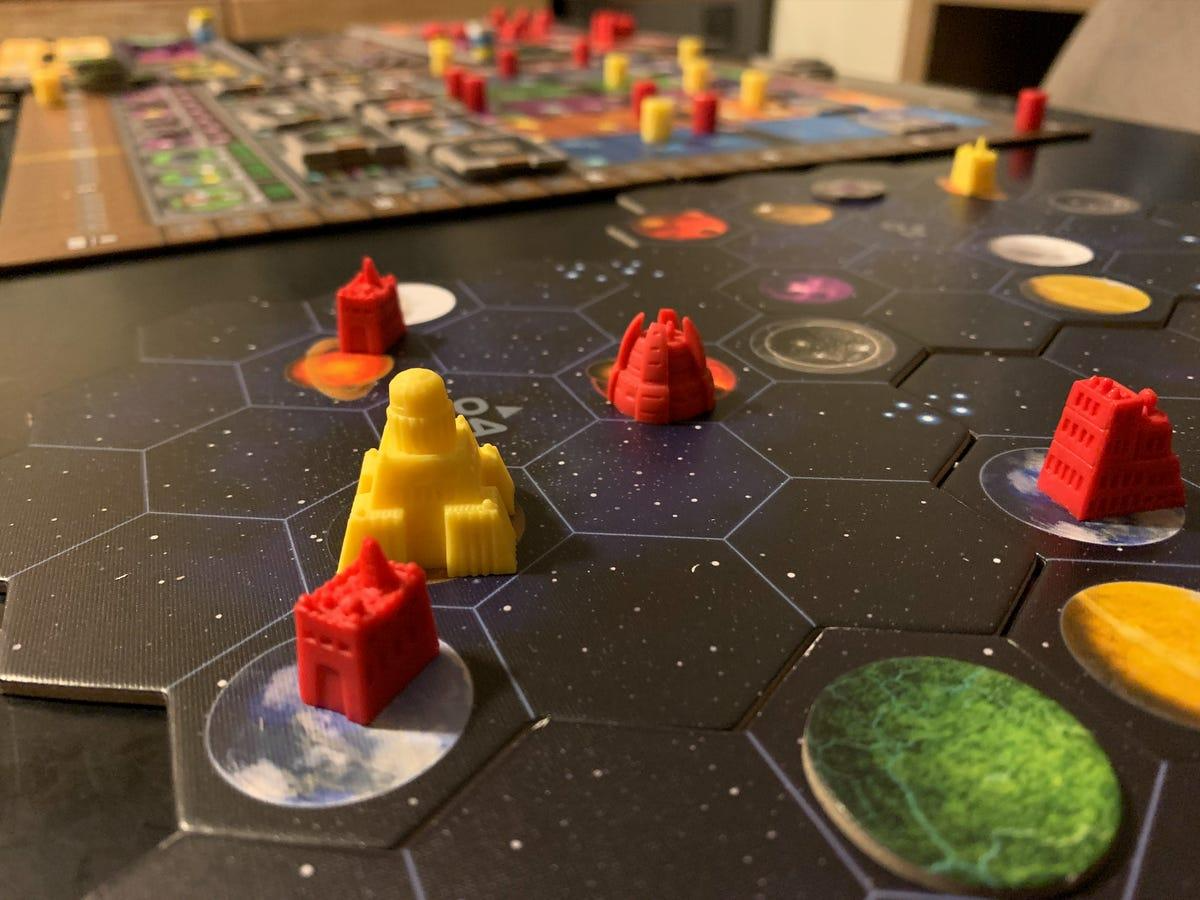
Games enhance logic, analysis, and risk evaluation skills. It doesn’t matter whether you’re playing a new strategy like Civilization VII or diving into the iGaming space – every move involves thinking through consequences, evaluating options, and planning your next steps. The possibility of a material reward often strengthens this effect. For example, when you use a 22Bet promo code to try out a new game without real risk, you’re consciously maximizing benefits while minimizing costs.
So, when someone tries to persuade you of something, treat it like a game. Consider the scenarios, evaluate who benefits, and plan your response. Don’t fall back on automatic mental reactions. You’ll start to notice just how many shades of meaning and possibility the world really holds.
We’ve always been told: “Don’t argue; find common ground.” But that’s exactly what makes people vulnerable to post-truth. If you accept everything at face value and prioritize harmony, you lose your ability to distinguish fact from manipulation. Instead, sharpen your critical thinking through debates and discussions – of course, in a healthy and structured setting.
If your city has a debate club, sign up. They’re often hosted by universities or community centers. You’ll find it’s not only useful it’s genuinely fun. Heated arguments lead to adrenaline and dopamine rushes, boosting your mood and mental sharpness. And when the debates are over, everyone laughs together over coffee and cookies.
Another enjoyable way to boost critical thinking? Analytical practice. Sounds dry? Try this game:
Open a news site or even your Google Discover feed once a day.
Pick the most clickbait headline and read the article. If you feel strong emotions – perfect.
Do your research using a search engine. If time is short, fire up an AI assistant like ChatGPT.
Ideally, you’ll find the original source and a more objective perspective. But even if you just find alternative views, that’s progress.
Make your conclusion. If it aligns with the article – great. Not every headline is post-truth. What matters is building the habit of verification.
Critical thinking isn’t always “me vs. the world.” Sometimes, it’s a shared search for better solutions. Gather a group of friends – ideally with clashing worldviews and values. Set a creative challenge: maybe designing a game, writing a story, or coming up with a new mobile app.
Set some ground rules. Never accept anything as a given. Every idea must be discussed, with pros and cons laid out. Let the die-hard supporters and skeptics argue until all their objective points are exhausted. It’s like a self-moderated debate club and who knows, you might even spark a new creative project or future business idea.
Nearly any activity can improve your critical thinking with the right approach. Take walking, for example. Leave the headphones off or switch to instrumental background music. Give yourself a question to ponder something like “Why is gold considered valuable?” or “Why are people obsessed with cat videos online?” Turn the question around in your head, examine it from different angles, make arguments, and analyze causes and outcomes.
Another great exercise: play with provocative dilemmas. Create a scenario with no “right” answer just like real life. For instance, “You can have a clean atmosphere or the internet – eliminating air pollution would mean losing the global network.” You can play this solo, but it’s much more fun and effective with others.
Building critical thinking can be fun. The key is to not be afraid of doubt, stay open to discussion, and gamify your play and perspective. Thinking is a muscle, and if you train it regularly, results will follow. Start small. Analyze news stories on your phone and jot down your reactions on paper or in a document. Invite friends, relatives, or colleagues to join in group activities. Just don’t dive too deep – critical thinking should never turn into paranoia or constant conflict. Use it wisely and enjoy the process.