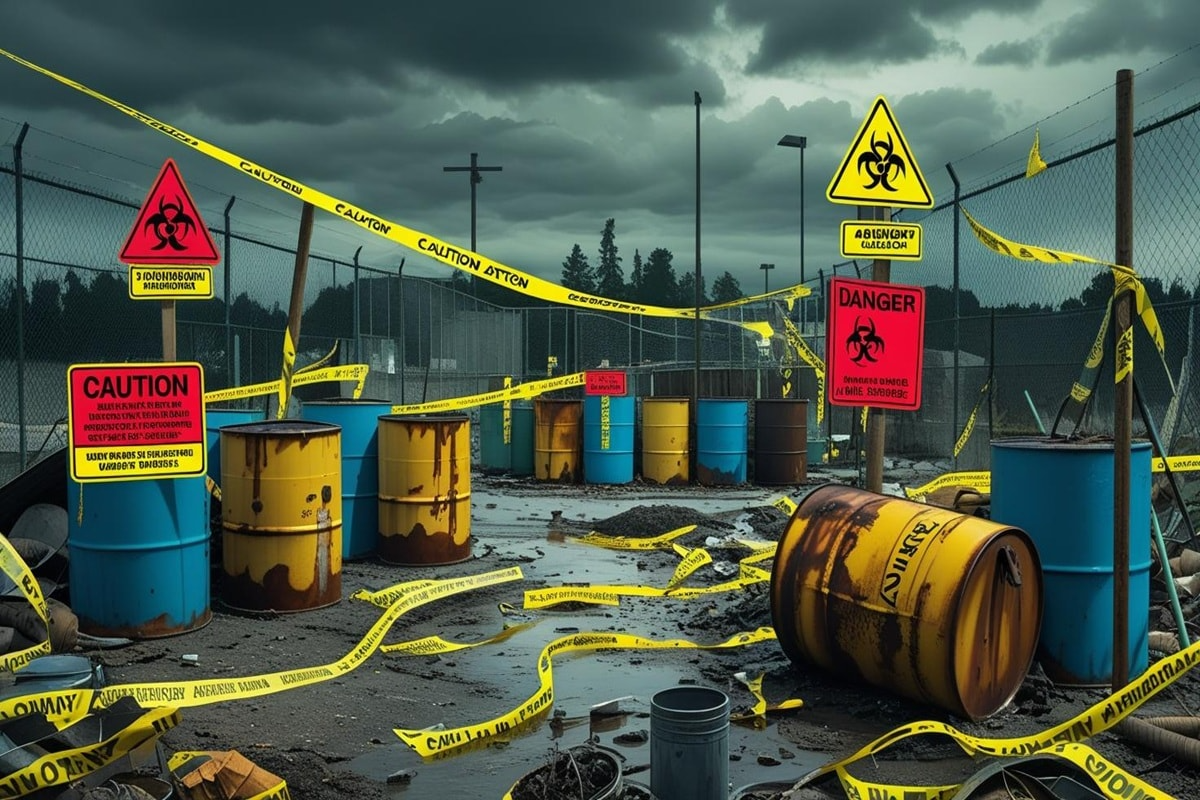
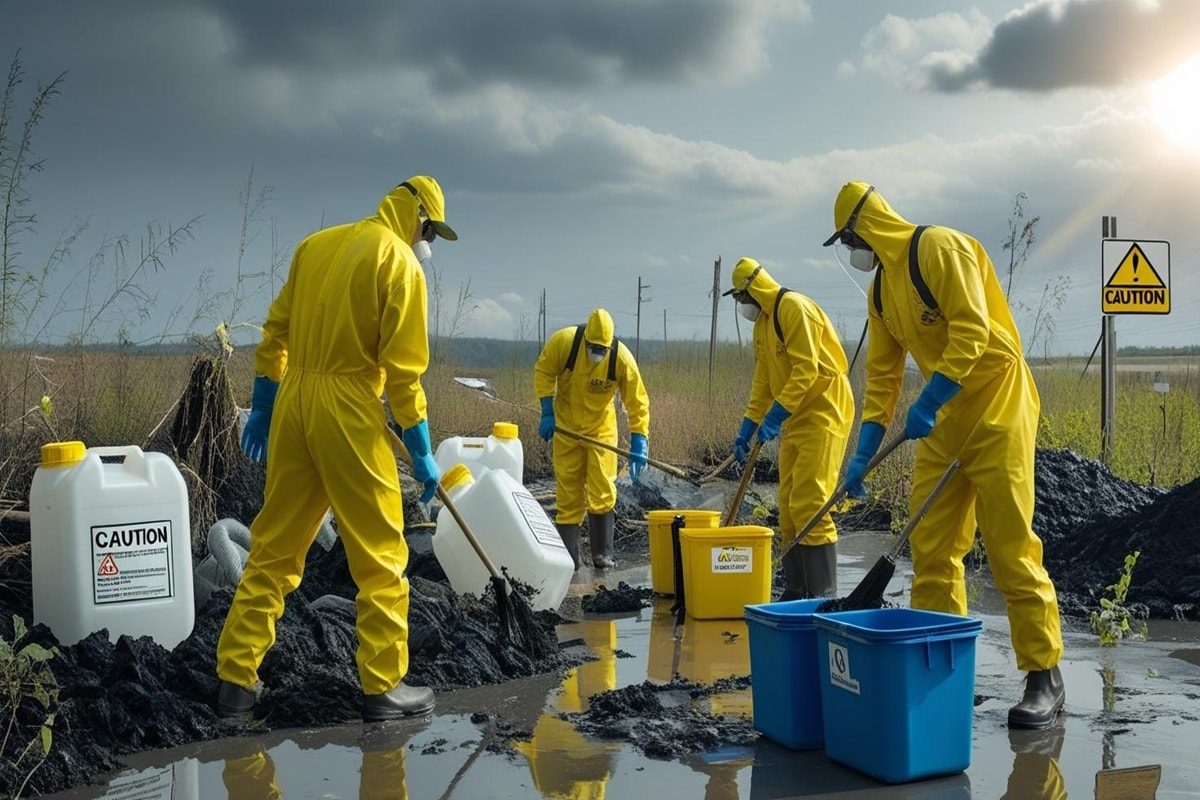
Have you ever just thought about the waste that your household creates? Now take dead waste and multiply it by thousands of factories, laboratories, farms, and construction sites all across the globe. From this, we can see that a significant portion of industrial waste is hazardous.
Meaning that it is potentially dangerous to humans and the environment. This is where a good hazardous waste management plan comes into action. Hazardous waste management involves the processes of hazardous waste treatment and proper hazardous waste disposal.
Thus, it's not just about tossing dangerous materials into landfills. It is a complex and regulated process to neutralize, treat, and dispose of toxic substances safely. Improper handling of hazardous waste can cause serious health risks and is detrimental to the environment. That is why hazardous waste treatment plays such a vital role in keeping our air, water, and soil clean and keeping our community safe.
So whether you are an industrial plant manager, but business, or just curious about how we manage waste behind the scenes, this guide will help you understand what hazardous waste is. Why is treatment important, and how is it done?
According to the Environmental Protection Agency (EPA) it defines hazardous waste is defined as a type of waste that poses substantial or potential threats to public health and the environment.
Hazardous waste comes in the forms of liquids, solids, gases, or sludges, and usually comes from industries such as manufacturing plants, farms, factories, healthcare, construction, laboratories, and often from households.
There are various types of hazardous waste. The following are a few of the most common.
Keep in mind every type of waste has its own chemical characteristics and has its own attached to it. This will determine how you must treat the specific type of waste.
Simply disposing of hazardous waste is not enough. Hazardous waste requires proper management through storage, treatment, and safe disposal methods.
Hazardous waste treatment. It is vital to protect the environment. Hazardous waste can cause serious soil, water, and air pollution if left untreated and disposed of improperly. Hazardous waste materials can seep into groundwater and emit toxic fumes, which leads to long-term environmental damage.
When humans are exposed to hazardous materials, it can lead to respiratory issues, nausea, and headaches. Skin irritation and even chronic illnesses. This is why proper hazardous waste treatment is important. To safely neutralize and isolate the toxic substances that could harm humans.
Improper treatment and disposal of hazardous waste can lead to compliance issues. The government and environmental agencies impose strict regulations for proper hazardous waste management and treatment. All facilities must follow these laws to avoid hefty fines, legal troubles, and reputational damage to their businesses.
In this section, we will explore the process of hazardous waste treatment. From management to treatment, transportation, and safe disposal.
First of all, after proper storage, you must move hazardous waste to a treatment plant. At the treatment plant, professional hazardous waste disposal companies will transport the waste in safe totes, drums, or tankers and then treat the waste before disposing of it safely. Type.
The treatment plant will analyze the waste to identify its chemical makeup and find ways to neutralize the waste to reduce its toxicity. This analysis is critical in determining the safest and most effective treatment and disposal methods.
Professional hazardous waste plants will neutralize and treat corrosive liquids to make them less toxic.
Neutralization involves methods to adjust the pH levels of corrosive materials to make them less harmful. According to the federal regulations, corrosive materials must have the following pH properties.
Chemically neutralizing acids and bases in these facilities makes waste safer for treatment and handling before disposal. By chemically neutralizing acids and bases, facilities make the waste safer for further treatment and handling.
The following are a few common hazardous waste treatment methods for various types of hazardous waste:
After neutralising waste, it goes through a separation process that involves the following:
Oxidation and reduction are chemical processes that render hazardous substances into less toxic and more stable forms. Oxidizing agents such as hydrogen peroxide, chlorine, and ozone are the most common agents.
Some hazardous materials require burning at high temperatures in an industrial furnace known as an incinerator. The incinerator destroys all harmful components of the waste and reduces its volume for disposal.
Certain hazardous treatment methods allow these facilities to recover valuable materials from the waste or reuse wastewater. This helps to promote sustainability and reduce costs.
A hazardous wastewater treatment plant is a specially designed facility that extracts clean water from contaminated industrial wastewater. The clean water is ideal for reuse in facilities or release into the environment.
Wastewater plants are crucial for businesses and industries that generate liquid hazardous waste or require water for chemical and metal production.
After treatment, waste requires secure storage in a stationary tank or drums consisting of steel, durable plastic, or concrete. The tanks temporarily store hazardous waste before disposal or reuse.
Once hazardous waste is treated and rendered safe, the final step is hazardous waste disposal or reuse.
Often, facilities will reuse treated wastewater or materials on-site. Often, companies use water as a cooling system or for hydraulic fracturing to reduce the need for fresh water and to minimize waste output.
After treatment reuse, much of the waste leftover or remaining waste is sent to specially designated landfills. The facilities use leak-proof liners and long-term monitoring systems to ensure re safety of the environment in these landfill areas.
Hazardous waste treatment is essential to keep our environment clean and communities safe. Proper hazardous waste management includes waste storage, waste treatment, and safe disposal of all hazardous materials.
Waste treatment involves the neutralisation and treatment of dangerous materials to render them safe for disposal or reuse.
So the next time you breathe fresh air, enjoy nature, or turn on the tap, keep in mind that there are robust hazardous waste treatment systems that help to make this possible.