What if a shipment of nearly 1,000 bottles of fine wine, valued at over $400,000, was found to be "cooked"—damaged upon arrival due to exposure to excessive heat during transit. This incident not only resulted in a significant financial loss but also led to legal disputes between the shipping companies involved.
This example underscores the critical importance of maintaining precise temperature control during the transportation of perishable goods. The development of refrigerated trucks has significantly advanced cold chain logistics, playing a crucial role in maintaining the freshness and efficacy of temperature-sensitive items like food and medicine. They are an indispensable part of modern logistics systems ensuring that products reach their destinations in optimal condition, safeguarding both consumer health and business interests.
In this post, we'll discuss the functionality and applications of reefer trucks and their significant value in logistics.
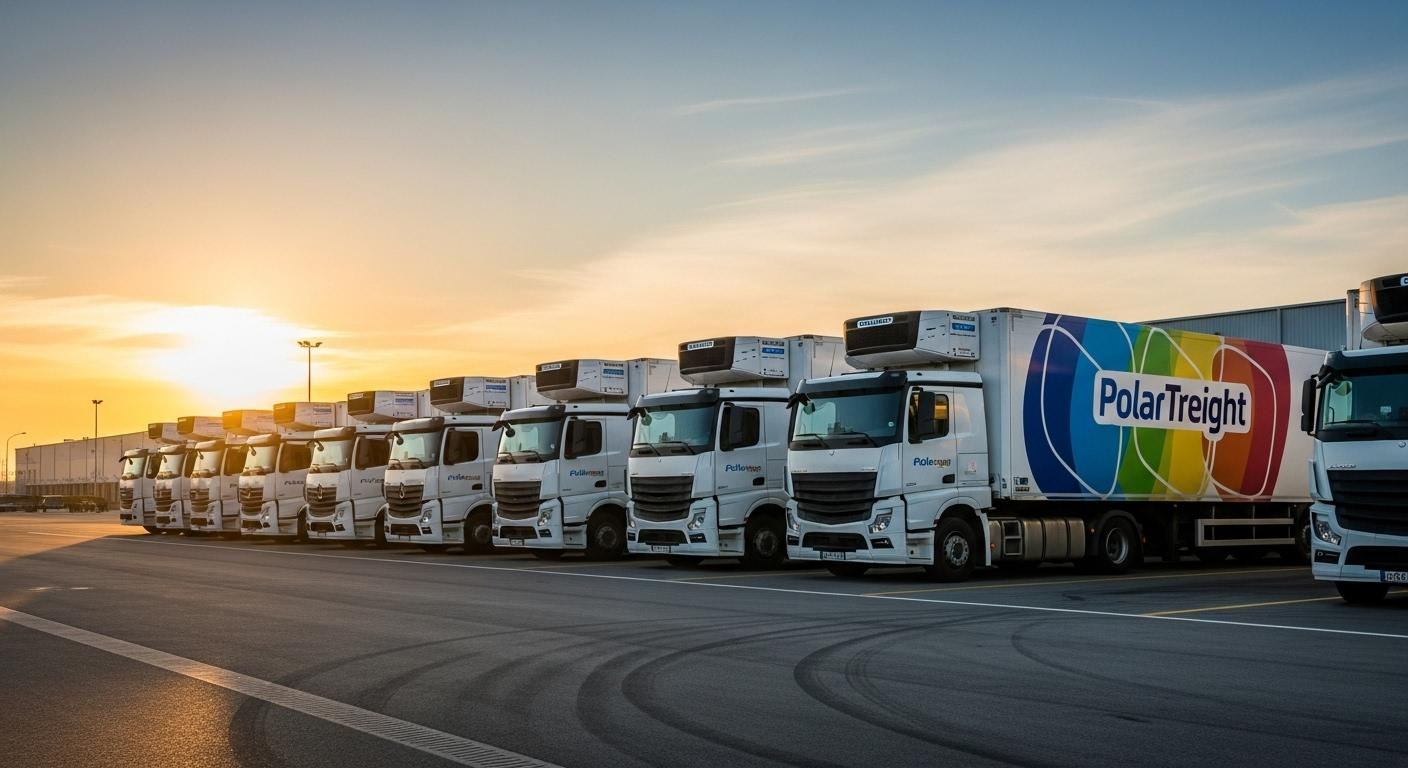
A refrigerated or reefer truck is a specialized vehicle equipped with a special automotive chassis, an insulated compartment (usually made from polyurethane, fiberglass, color steel plates, stainless steel, etc.), a refrigeration unit (to control the temperature and humidity inside the truck’s compartment), and an in-compartment temperature recorder to ensure that the cargo remains within a specific temperature range to maintain its quality and safety.
The refrigeration units on these trucks can be classified into non-independent and independent units, including domestic and imported systems. Most trucks use external refrigeration units, while some smaller refrigerated trucks use internal units. For trucks that require lower temperatures, internal cold plates (which function like evaporators) can be installed inside the compartment to achieve the necessary temperature control.
Reefer shipping is a method of freight transportation that uses temperature-controlled modes of transport for foods and products that require tightly monitored environments to maintain optimal quality and keep them safe to consume.
A variety of cargo needs to be kept at a constant temperature during cold chain transportation in order to ensure safety and quality.
Here is a list of some items that are shipped using reefer trucks:
Meat, seafood, poultry, dairy products, eggs, fruits, and vegetables must be refrigerated to ensure their freshness. Refrigerated trucking is vital in helping reduce load rejection due to spoilage, maintaining internal health standards, and inhibiting the growth of bacteria.
Technology advancements have greatly improved shipper's and reefer trucking company's ability to track, trace, and continuously monitor perishable food shipments to maintain quality and freshness throughout the journey. In addition, some refrigerated trucks also have a temperature control function, so that according to the specific requirements of food, they can adjust the temperature to achieve the best fresh food.
Reefer trucks play a crucial role in transporting beverages, ensuring that drinks like beer, wine, juices, and soft drinks arrive at their destinations in optimal condition. These refrigerated trucks maintain consistent temperatures throughout the journey, preserving the taste, quality, and shelf life of the beverages.
Moreover, reefer trucks offer protection against external weather conditions, ensuring that beverages remain unaffected by heat or cold during transit. This is especially important for maintaining the flavor of beer and wine, carbonation in soft drinks, and the freshness of juices. Additionally, by preserving the integrity of the beverages, companies can reduce spoilage and waste, leading to cost savings and increased customer satisfaction.
Medications are often temperature-sensitive and must be shipped in a controlled environment to maintain potency and/or effectiveness. Most pharmaceuticals have strict temperature ranges that shippers must adhere to. A temperature excursion could alter the chemical stability of medications and vaccines, resulting in lower efficacy or even life-threatening consequences if consumed. Some products may also need advanced reefers with technology to regulate air moisture.
Some electronics can be damaged by extreme temperatures. These sensitive electronic equipment’s are often shipped via refrigerated trailers. While temperature ranges when shipping electronics aren’t as stringent as those for consumable products, there are specific thresholds they need to stay within to arrive in good working condition.
Electronics should generally be kept at room temperature — between 50 and 75 degrees Fahrenheit — to keep casings from overheating and batteries from melting. Bigger equipment, such as computers, should be shipped and preserved at 72 degrees Fahrenheit. Electronics should not be shipped in extremely low temperatures either because the batteries can freeze and the casings can crack. There is also a concern over moisture that, if not regulated, could damage the electronics.
Flowers and plants fall into a unique category; they cannot be refrigerated since the petals will be damaged and they can wilt or rot if left in an uncontrolled atmosphere. That's why reefer trucks are used to transport them fresh and vibrant in temperature-controlled environments.
Cosmetics such as creams, lotions, and makeup products require stable temperatures to maintain their quality. Exposure to heat can cause these products to melt, separate, or lose their effectiveness. Reefer trucks maintain the temperature that keeps the active ingredients of skin care products, lasts longer, and allows the product to be better effective, ensuring customer satisfaction.
Extreme temperatures can cause paintings to crack. Generally, art should be transported and stored between 65 and 75 degrees Fahrenheit. Also, severe temperatures can cause the materials in antique furniture to warp that's why they are transported through reefer trucks.
To remain stable, some chemicals and other hazardous materials must not exceed certain temperatures. They’re shipped in refrigerated trucks to ensure safety during transportation. But these are relatively small in number so you'll not find them generally.
The demand for these products is growing even greater with businesses wanting on-demand access. The market size was valued at USD 10.29 billion in 2024. Looking forward, experts estimate the market to reach USD 15.64 billion by 2033, exhibiting a CAGR of 4.72% from 2025-2033. North America dominates the market, holding a market share of over 32.5% as of 2024.
Reefer trucks are indispensable in safeguarding perishable and high-value goods during transit. By maintaining precise temperature controls, they ensure that products like fresh produce, pharmaceuticals, and specialty items arrive at their destinations in optimal condition, preserving quality and safety throughout the supply chain.
For businesses seeking a reliable reefer trucking company to manage every aspect of their cold-chain logistics, we recommend partnering with JJT Transportation & Logistics. With a fleet equipped with advanced refrigeration technology and real-time monitoring systems, they offer tailored solutions that meet stringent compliance standards and provide transparency at every step.
Whether you're transporting temperature-sensitive goods across the Midwest, Southeast, or Northeast, JJT's commitment to innovation, safety, and customer satisfaction ensures your products are in capable hands.