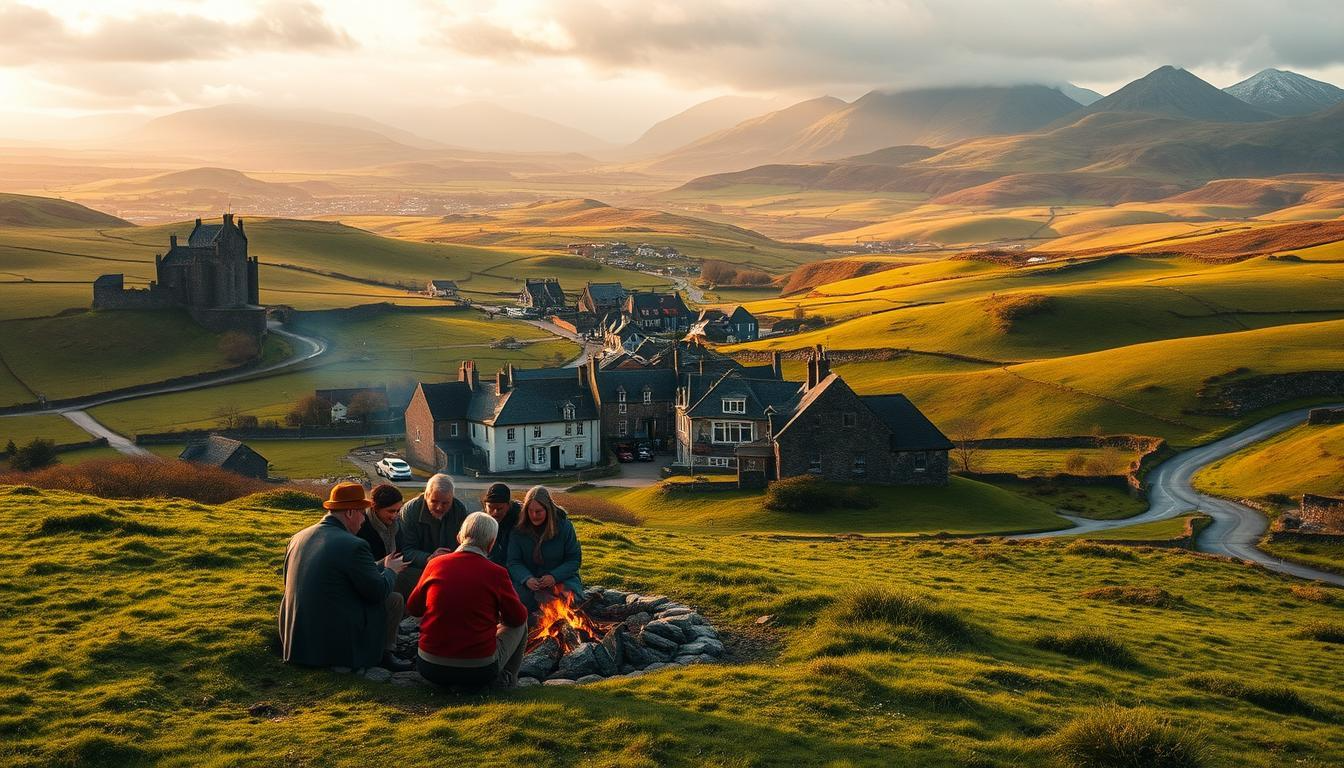
Picture this: A curious traveler stumbles upon an old cinema in Dublin. Inside, they watch a grainy film about rural life in 1950s Connemara. By the end, they feel like they’ve walked those misty hills and shared tea with the locals. That’s the magic of storytelling through nonfiction film and video productions.
For decades, filmmakers have used the lens to explore the Emerald Isle’s soul. Their works peel back layers of time, revealing triumphs, struggles, and everyday moments that define a nation. From ancient legends to modern social shifts, these visual records turn history into living, breathing narratives.
Streaming platforms now make these cultural treasures accessible worldwide. Viewers can journey through centuries of tradition or examine current issues shaping communities. The best examples combine artistry with truth, creating windows into experiences both unique and universal.
Visual narratives have long captured the essence of a nation's soul through intimate lenses. These works preserve fading customs while documenting how communities adapt to new realities. They transform local stories into global conversations, blending poetic imagery with raw authenticity.
From fiddle players in cozy kitchens to publicans guarding ancestral recipes, films reveal what textbooks cannot. The 2013 portrait of neighborhood taverns shows how these spaces preserve oral histories and foster connection. Through close-up interviews, viewers witness generations sharing knowledge that defines regional identities.
Cinematic storytellers dismantle clichés by spotlighting real people navigating modern challenges. A fisherman discussing climate change or a dancer reviving forgotten steps – these moments build a mosaic of shared experience. Such works don’t just record history; they help communities decide what values to carry forward.
International festivals now showcase these productions as blueprints for cultural preservation. By balancing respect for the past with clear-eyed views of the present, they create timeless portraits that resonate across borders.
Certain visual stories become cultural landmarks, shaping how audiences understand a nation’s journey. These productions blend meticulous research with compelling narratives, earning both critical praise and public admiration.
Fergal Keane’s 2011 series "The Story of Ireland" redefined historical storytelling. Through dramatic reenactments and expert analysis, it connected ancient traditions to modern identity. The 2016 production "Rebellion" offered fresh perspectives on the 1916 Easter Rising, using eyewitness accounts to humanize pivotal events.
Even fictional works like "Derry Girls" contributed to factual storytelling. Its humorous yet honest portrayal of 1990s Northern Ireland sparked global conversations about conflict and resilience.
Visionary directors transformed local stories into universal themes. Their work often explores land connections, historical healing, and community bonds. Many titles gained recognition at Sundance and Cannes, elevating Ireland’s reputation in nonfiction film production.
These creators inspired new talents to experiment with hybrid formats. Modern filmmakers balance innovation with respect for tradition, ensuring each documentary series honors its subjects while pushing creative boundaries.
History books tell part of the story. Moving images fill in the gaps between dates and treaties. Films about pivotal moments help audiences grasp how past conflicts shaped modern identities.
Liam Neeson's narration in 1916: The Irish Rebellion gives weight to the six-day insurrection that changed everything. The documentary uses battle maps and letters to show how ordinary people became revolutionaries. Scenes contrast Dublin's bullet-riddled streets with political debates in London.
Works about the Great famine take a different approach. They show empty potato fields and overcrowded emigration ships. These visuals explain why this period halved Ireland's population and created diasporas from Boston to Sydney.
Historians dissect complex causes behind major events. In The Story of Ireland, professors explain how centuries of tension led to the independence struggle. Farmers describe finding famine-era artifacts in their fields during filming.
Rare footage transforms old photos into living scenes. Viewers see 1916 rebels smiling before battle and hear recordings of famine survivors' descendants. This mix of proof and perspective makes history feel urgent.
What keeps ancient customs alive in a fast-changing world? Films about music-filled pubs and kitchen dances answer this question through vibrant storytelling. These works capture shared experiences that shape collective memory across generations.
Fiddles and bodhráns pulse through films like Living the Tradition, showing musicians teaching children centuries-old tunes. One pub owner in a 2013 documentary explains: "Our back room isn't just for pints – it's where new songs get born."
Three key elements emerge:
Documentaries reveal how fishing villages and market towns maintain unique traditions. A grandmother teaching lace-making becomes a bridge between eras. These stories highlight connections between land, art, and daily life.
Films like Riverdance prove traditions adapt without losing meaning. Their energy shows why culture matters – not as museum exhibits, but as living practices that unite communities.
Modern filmmakers turn cameras into truth-seeking tools, capturing stories that pulse with urgency. Their works dissect complex realities through intimate portraits and unflinching investigations.
Belfast's streets become characters in productions like The Fall, which dissects crime dynamics against lingering tensions. A 1995 film reveals how women navigated daily life during Northern Ireland's Troubles, balancing survival with activism.
Recent works expose systemic failures with surgical precision. Mea Maxima Culpa traces institutional abuse patterns through survivor testimonies. These films spark national conversations about accountability and healing.
From athletes to activists, contemporary portraits reveal how individuals shape society. One director notes: "Our subjects aren't icons – they're mirrors reflecting shared struggles."
Three groundbreaking approaches define modern storytelling:
These narratives chart a nation's metamorphosis – from rural traditions to globalized challenges. They prove resilience isn't about enduring hardship, but rewriting the rules of engagement.
Beyond bustling cities and historic sites lies Ireland's untamed heart. Nature films reveal ecosystems where land and sea collide in spectacular fashion. These productions capture fleeting moments – from dolphin pods hunting in crystal waters to rare seabirds nesting on sheer cliffs.
The 2017 series Ireland's Wild Coast follows naturalist Colin Stafford-Johnson along wave-battered shores. Viewers witness basking sharks gliding through inky depths and storms carving new shapes into ancient rock. Rugged islands emerge as living laboratories, their isolation preserving unique flora and fauna.
Modern explorers like Eoin Warner sail traditional Galway Hooker boats to document untouched western isles. Their cameras capture what few experience firsthand – puffin colonies at dawn, hidden sea caves echoing with seal calls. These films balance raw adventure with urgent conservation messages.
Through aerial drones and underwater lenses, audiences gain new perspectives on familiar landscapes. Local fishers share wisdom passed through generations, revealing how communities thrive alongside nature's rhythms. Each frame celebrates wild beauty while sounding alarms about fragile ecosystems.
Many titles delve into pivotal moments like the Easter Rising and the Great Famine, using archival footage and expert interviews to provide context. These works highlight struggles for independence and societal resilience during turbulent periods.
Contemporary narratives tackle themes like conflict, identity, and community challenges. They often spotlight grassroots efforts, personal stories, and the impact of cultural shifts on everyday life, blending raw emotion with factual analysis.
Directors like Alan Gilsenan and Sé Merry Doyle have created groundbreaking works. Their projects often blend investigative journalism with artistic storytelling, shedding light on untold stories or reexamining historical events through fresh perspectives.
Yes. Music sessions in pubs, regional dance styles, and oral storytelling traditions are frequently showcased. These elements highlight how heritage remains intertwined with modern life, celebrating shared identity across generations.
Series like Ireland’s Wild Coast capture rugged landscapes and coastal ecosystems. They emphasize conservation efforts while immersing viewers in the country’s untamed beauty through stunning cinematography and adventurous journeys.
By combining firsthand accounts, academic insights, and rare archival materials, they create balanced narratives. Projects like Rocky Road to Dublin challenge conventional views while fostering dialogue about legacy and truth.
Absolutely. Profiles of activists, artists, and political leaders reveal their influence on society. These segments often explore their motivations, setbacks, and lasting contributions to culture or policy.