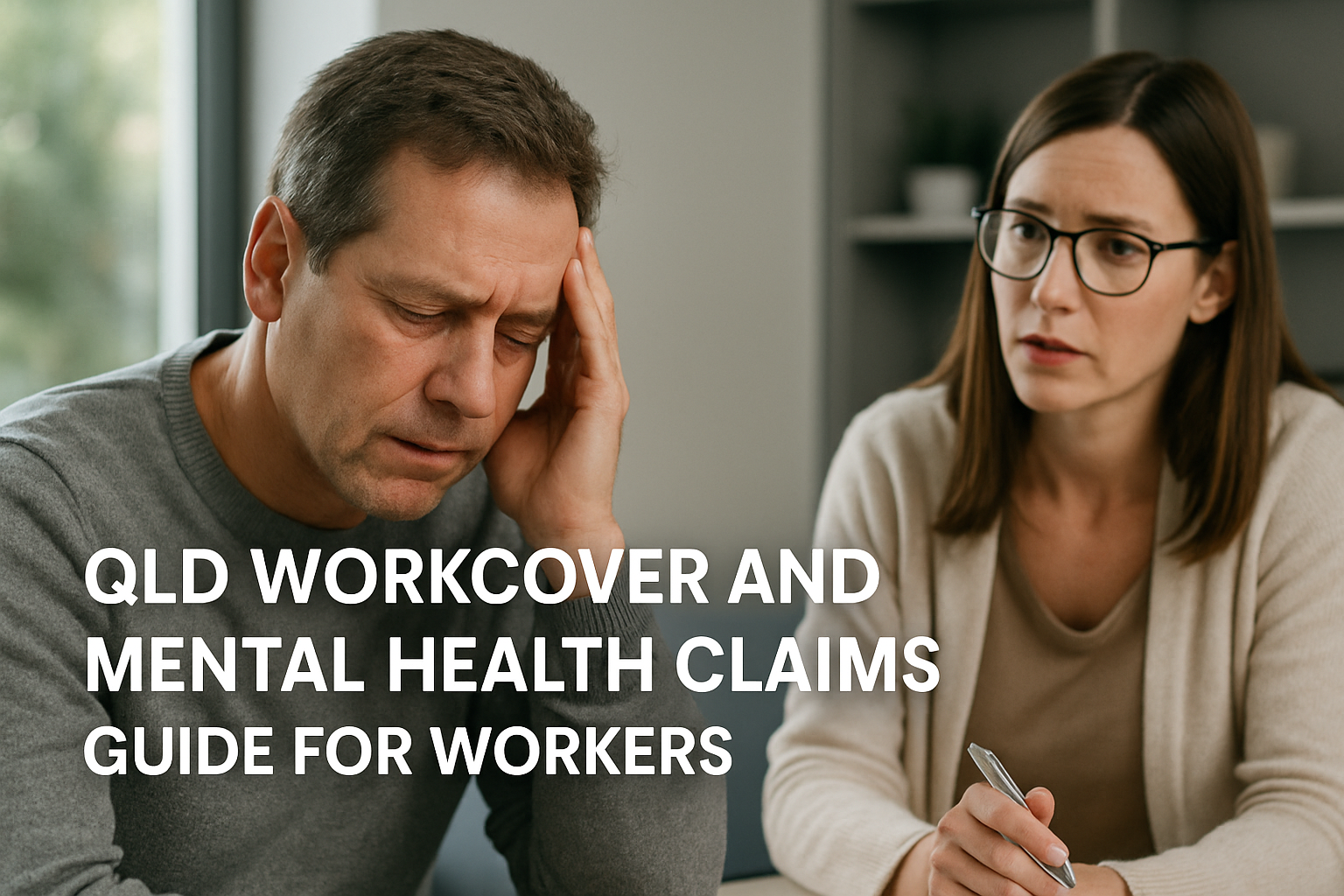
When work starts to affect your mental health, it doesn’t just stay at the office. It follows you home, impacts your sleep, your relationships, and your ability to cope day to day. Whether it’s ongoing stress, workplace bullying, or a traumatic incident on the job, the emotional toll can be just as serious as any physical injury. In Queensland, WorkCover recognises this but navigating a mental health claim isn’t always straightforward. Many workers feel overwhelmed by the paperwork, unsure about their rights, or worried their situation won’t be taken seriously. That’s why understanding the process and getting the right support early on is so important.
Mental health injuries are often triggered by repeated stress, unsafe workplace behaviour, or traumatic events. These experiences can affect your ability to function at work and in daily life.
Some common causes of psychological injuries at work include:
If these experiences lead to a medical diagnosis such as anxiety, depression, post-traumatic stress, or adjustment disorder, you may be eligible to lodge a mental health claim.
In Queensland, the WorkCover system supports workers across all industries, including casual, part-time, and full-time employees. A claim for a mental health injury can be made if:
This last point is important. If your stress stems from a lawful performance review or restructure done appropriately, it may not qualify for compensation.
The claims process begins with a formal diagnosis and ends with either approval or rejection. It’s important to move through each step with clear documentation and support.
Mental health claims require clear, consistent, and medically supported evidence. The more detailed your documentation, the stronger your case.
Some helpful evidence includes:
Keep your documentation honest and thorough. Contradictions in dates or diagnosis may weaken your claim.
If your claim is approved, you may be entitled to a range of support services designed to help you recover and return to work safely.
You may receive:
All treatment must be related to your injury and approved by WorkCover.
The average decision time on mental health claims is between two and four weeks. However, more complex cases or those requiring employer interviews may take longer.
Once approved, your support continues until one of the following occurs:
Delays often occur when documents are missing or evidence is inconsistent. Staying organised from the start makes a difference.
WorkCover does not approve all psychological claims. If your claim is rejected, it may be because:
If this happens, don’t give up. You have the right to:
You are not alone in this. Firms experienced in QLD WorkCover claims regularly support clients in turning denied claims around through careful case building and formal appeals.
If your psychological injury becomes long-term or permanent, you may be assessed for a permanent impairment lump sum. This is based on the level of psychiatric damage and how it affects your ability to function.
To receive a lump sum payout:
Always seek professional guidance before accepting a lump sum. It can close off your right to pursue additional damages in the future.
For more information on how this process works, explore the dedicated page on mental health claims which provides clarity on assessments, payouts, and ongoing support.
When you’re ready to return to work, your recovery plan should be supported not rushed. Your employer has a responsibility to create a safe environment and support your mental wellbeing.
WorkCover may help develop a gradual return-to-work plan that could include:
You have a right to return when it is safe, and you are not required to accept work that is unsuitable for your condition.
Not every claim is straightforward. Psychological injuries are harder to prove, and many are wrongly denied. If your claim is complex, delayed, or rejected, legal support can help.
Experienced professionals can:
Getting advice early makes the process clearer and increases your chance of a successful outcome.
Mental health matters just as much as physical health. If your job has caused real emotional harm, you have the right to seek support, treatment, and financial relief. Queensland’s WorkCover system includes protections for workers suffering from stress, trauma, and psychological injury but navigating it requires clarity and care.
Understanding how to lodge a valid claim, what evidence is needed, and how to handle delays or rejections puts you in control of your recovery. And with the right legal support, both your voice and your rights are protected.
Whether you’re preparing to lodge or appealing a decision, expert guidance around QLD WorkCover claims and mental health claims helps you move forward with strength and support.