
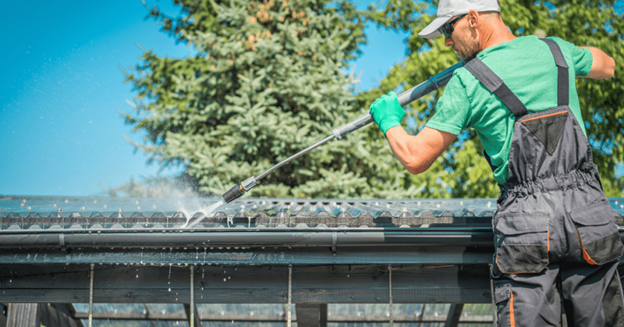
Utah’s stunning landscapes, from the towering Wasatch Mountains to the vibrant red rock deserts, make it a uniquely beautiful place to live. However, for homeowners, the state’s diverse climate brings more than just breathtaking views; it also introduces significant challenges in maintaining effective home drainage systems. The extremes of Utah weather, including arid summers, intense snowfall in winter, rapid spring runoff, and occasional heavy rains, can strain even well-designed drainage infrastructure. Without proper maintenance, these conditions can lead to water overflow, foundation damage, and long-term structural deterioration. In areas like Salt Lake City, gutter cleaning becomes a critical part of seasonal home care, helping to ensure that drainage systems remain clear and functional throughout the year. Understanding the impact of local weather on your property’s water management is essential for preventing unnecessary repairs and protecting your investment.
Utah’s weather is a story of seasonal extremes. Summers are typically hot and dry, particularly in Salt Lake City and other northern regions, with temperatures frequently climbing into the 90s and very little precipitation. In contrast, winters can be severe, with heavy snowfalls especially common in areas near the mountains. The Salt Lake Valley often experiences lake-effect snow, while higher elevations receive significant accumulation over the course of the winter. Spring brings not only milder temperatures but also rapid snowmelt, which can overwhelm systems not designed to handle sudden volumes of water. In between these seasonal shifts, Utah occasionally experiences intense but brief storms, often associated with monsoonal moisture or fast-moving cold fronts.
This cycle of dryness, snow, melt, and sudden rainfall creates a perfect storm of stressors on your home’s exterior and, most importantly, its ability to drain water efficiently. When drainage systems, especially gutters, downspouts, and surrounding landscape features—are not maintained or properly designed to accommodate these extremes, problems can escalate quickly.
During winter, heavy snow accumulation is a regular occurrence in much of Utah. While the snow itself doesn’t pose an immediate threat to your drainage system, what follows can be far more damaging. As temperatures fluctuate during the day and drop again at night, snow begins to melt and refreeze, particularly on rooftops. This leads to the formation of ice dams, which block the flow of water down the roof and into the gutters. When ice builds up in the gutters, it can cause cracking, sagging, or even breakage under the weight.
Worse still, ice dams often force melting snow back underneath the shingles, leading to water infiltration into attics, ceilings, and walls. This not only undermines the integrity of the roof but can also contribute to mold growth and water damage inside the home. A well-maintained gutter system, combined with proper attic insulation and ventilation, is critical to reducing the risk of ice dam formation. However, in homes with neglected or poorly functioning drainage, winter can be particularly unforgiving.
As winter gives way to spring, Utah faces another significant water management hurdle: snowmelt. The transition can be abrupt, especially in years with deep snowpack followed by a rapid warm-up. When large volumes of snow melt in a short period of time, the runoff must go somewhere and ideally, not into your home.
The first line of defense in managing snowmelt runoff is your home’s roof drainage system, primarily gutters and downspouts. If these components are clogged, broken, or improperly pitched, water will spill over the edges and fall directly next to your foundation. This is where problems become more serious. Excess water pooling around the base of your home can saturate the soil, increase hydrostatic pressure, and lead to basement leaks, foundation cracks, or even structural shifting over time.
Additionally, many Utah homes are built on sloped terrain, which can exacerbate runoff issues if water isn’t directed away from the structure effectively. Poorly graded landscaping, blocked drains, and compacted soil all contribute to water lingering near the home rather than being safely diverted.
Utah’s summers may be dry overall, but that doesn’t mean the state is immune to sudden bursts of intense rainfall. Monsoonal thunderstorms, particularly from late July through August, can bring quick and heavy downpours that dump large amounts of water in a very short time. These storms are often highly localized and can overwhelm drainage systems not prepared for such rapid influxes.
In dry conditions, soil around the home can become hard and compacted, making it less absorbent when rain does arrive. As a result, water tends to run off the surface rather than soaking into the ground. If your home’s gutters and downspouts are obstructed, misaligned, or inadequate in capacity, water from the roof will cascade down, eroding landscaping, damaging siding, and increasing the risk of water intrusion into the basement or crawl space.
Stormwater systems, especially in older neighborhoods, may also struggle to handle flash flooding, placing additional importance on private property drainage. If your gutters overflow or if water isn’t properly diverted away from your home, even a short summer storm can leave lasting damage.
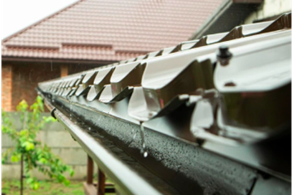
Autumn in Utah brings cooler temperatures, vibrant foliage, and another risk to your home’s drainage infrastructure. Falling leaves, pine needles, and other debris easily accumulate in gutters, especially in areas like Salt Lake City that are home to mature trees and landscaped neighborhoods. This build-up restricts the flow of water and increases the chance of clogs forming right before winter sets in.
Many homeowners fail to recognize the importance of late-season maintenance. Blocked gutters during the fall months often go unnoticed until the first snow arrives. By then, it’s too late, ice forms in already-clogged channels, adding weight and increasing the potential for system failure. The cumulative effects of unaddressed autumn debris can set the stage for winter-related drainage disasters.
Regular cleaning and inspection during the fall are crucial. This is the time to ensure all channels are clear, downspouts are unobstructed, and water is flowing away from the home’s foundation. For homes in Utah’s higher elevations, preparing for an early snowfall is also wise, as weather patterns can shift quickly.
It’s important to remember that Utah’s drainage challenges are not uniform across the state. Northern areas like Salt Lake City, Ogden, and Park City are more likely to experience issues related to snow accumulation and spring melt, while southern regions such as St. George are more concerned with flash floods following extended dry periods.
The elevation and microclimate of your specific location will influence how your drainage system should be maintained and upgraded. For example, homes at higher elevations may require larger gutter systems or heating elements to combat ice formation, while those in desert regions may benefit from ground-level French drains or rainwater diversion techniques that account for clay-heavy soil and flash runoff.
Given the variability and extremity of Utah’s weather, proactive maintenance is the most effective way to protect your home’s drainage system. Regular inspections, especially in transitional seasons are essential to identifying problems before they escalate. These inspections should focus on identifying signs of gutter sagging, downspout blockages, soil erosion, and evidence of water pooling near the foundation.
Additionally, upgrading components where necessary can provide long-term relief. Larger-capacity gutters, extended downspouts, underground drainage lines, and properly designed grading can dramatically improve how your property handles excess water. For many Utah homeowners, investing in gutter guards or leaf filters can also reduce the frequency of cleanings required during fall and early winter.
For new builds or extensive renovations, consulting with drainage specialists familiar with Utah’s unique climate is a wise decision. Building codes may dictate minimum standards, but optimal drainage often requires going beyond compliance to account for local conditions and seasonal variations.
Utah’s distinct and often unpredictable weather patterns present a multifaceted challenge to the health and efficiency of residential drainage systems. From ice dams in winter to snowmelt flooding in spring, and from summer downpours to fall debris, each season carries its own set of risks. Homeowners who understand the cumulative impact of these weather events and take steps to prepare their drainage systems accordingly, will be far better positioned to protect their properties, avoid costly repairs, and maintain long-term structural integrity.
By remaining attentive to the cycles of Utah’s climate and making drainage a central part of home maintenance, residents can ensure that their homes stay dry, secure, and resilient, regardless of what nature has in store.







